MAM
Cult Branding seminar in Mumbai a thumping success

MUMBAI: Cults. They are common as gardens in India and globally. Almost every few years a cult crops up, balloons into a movement, only to diminish quickly.
 Agencyfaqs, BusinessWorld and Alchemist group, got together to organise a seminar around a phenomenon as fascinating as cults, namely that of cult brands. And holding centre stage to an audience of 100 plus was 28-year-old Matthew Ragas, the co-author of the book (along with Bolivar J Buneo) The Power of Cult Branding.
The seminar, held at the JW Marriot in Mumbai’s western suburb of Juhu, and titled Beyond Advertising: The Phenomenon of Brand Cultism, was sponsored by Amity School of Communication, Hav-A-Tampa Jewels Birchwood Tip Cigars, Altavista, Cutty Sark, and Express Colour Scan. Among the big names who attended included: Arvind Sharma of Leo Burnett India, Times of India’s Pradeep Guha and Bhaskar Das, Chandy of Malayalam Manorama, ace promotions professional Pradeep Narashima.
Ragas elaborated over two sessions why cult brands are crucial today, what goes to make a cult brand and how it is sustained, and the seven golden rules of cult branding. His belief is that because of product and advertising clutter, brands are getting commoditised and competition is getting fierce, with decreasing consumer loyaty. Cult brands help marketers to ensure repeat consumer purchase because of the intense customer loyalty. Cult brand consumers are hooked and happy.

Ragas explained that there are destructive cults (a La Hitler) and benign cults (a la Harley Davidson biker groups). He added that cults are not bad, rather their members are normal people, who want to improve their lives and be different, and want to feel like they belong. He elucidated that cult brands offer their customers love, attention, and to many of their consumers, they are a living surrogate family with like minded individuals.
According to Ragas, Abraham Maslow who postulated his heirarchy of human needs is the father of cult branding. Maslow’s pyramid placed physiological, safety, belongingness and love, esteem and self-actualistion needs as a gradually narrowing group of human needs with self-actualisation being at the peak. Ragas says that cult brands primarily fulfil the higher level human needs of esteem, social interaction, and self-acutalisation. “Once a brand fulfils the higher needs, it becomes irreplaceable in the mind of the consumer,” he says.
He then went to throw light on the seven golden rules of cult branding which were drawn up after two years of researching for his book. These are:
*Consumers want to be part of a group that’s different.
*Cult brand inventors show daring and determination.
*Cult brand sell lifestyles.
*Listen to the choir and create cult brand evangelists.
*Cult brand always create customer communities.
*Cult brands are inclusive.
*Cult brands promote personal freedom and draw power from their enemies.
He then went to illustrate how each of these golden rules apply to four cult brands: Apple Computer, Linux, Volkswagen Beetle, Harley Davidson (the other five that Ragas has studied in his book include: Oprah Winfrey, Jimmy Buffet, Vans Shoes, WWE, Star Trek).
His session was followed by a session by former BBC veteran and Indophile Mark Tully wherein he tried to give his perspective on what India truly is and how it has changed over their years. His biggest regret was that companies are paying lip service to the rural market.
Last on was Alchemist Consulting founder Samit Sinha who elaborated on Indian cult brands such as Old Monk, Enfield Bullet, Thums UP, Khadi, comedian Ajit, and the Ambassador.
Ragas will be working closely with Alchemist Brand Consulting for the Indian market. Those wanting to get in touch with either Ragas or Sinha can send an email to matt@powerofcultbranding.com orsamit@brandalchemist.com.






MAM
PropertyPistol appoints Hemant Bajaj as chief marketing officer
Proptech firm taps global marketing leader to sharpen brand and growth strategy.
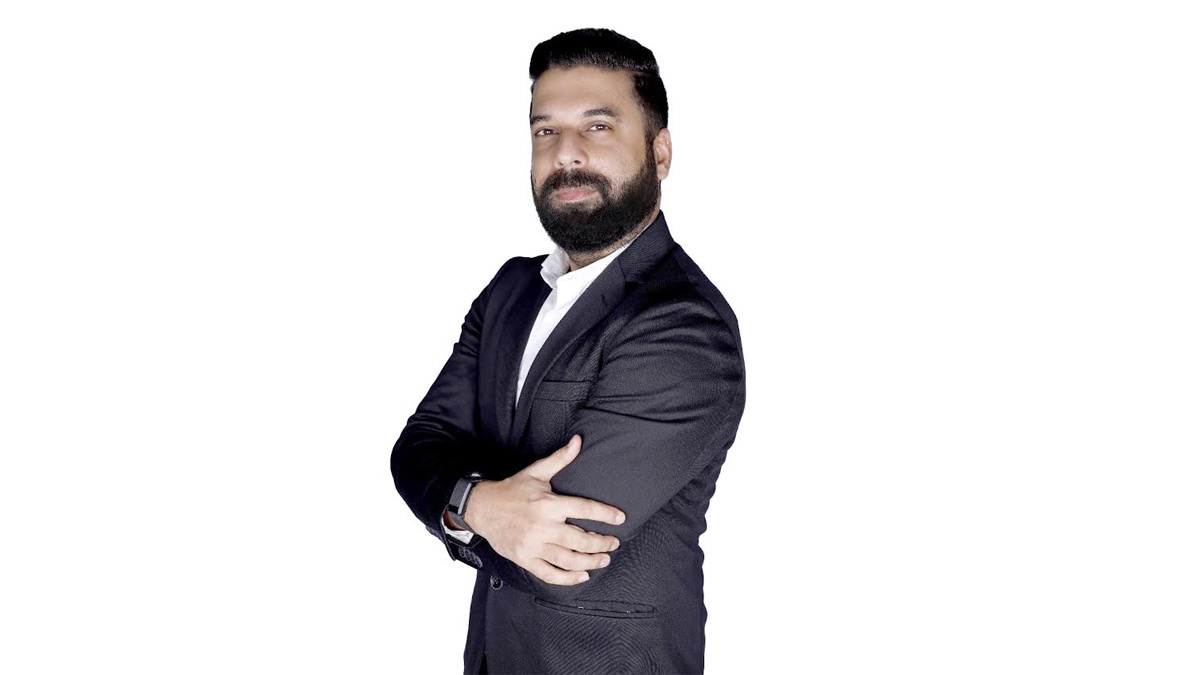
MUMBAI: In the fast moving world of proptech, building homes may be the business, but building the brand is just as crucial. Propertypistol, the proptech driven real estate advisory platform, has appointed Hemant Bajaj as its chief marketing officer (CMO) as the company looks to strengthen its brand narrative and accelerate growth across markets. Bajaj will lead the company’s marketing operations across multiple geographies, overseeing brand strategy, integrated marketing initiatives and revenue aligned growth programmes as Propertypistol prepares for its next phase of expansion.
The appointment comes at a time when the proptech sector is seeing rapid digital adoption, with companies increasingly focusing on leadership talent capable of combining technology, data driven marketing and customer experience.
Bajaj brings experience spanning India, South East Asia and the Middle East, where he has worked on scaling brands and leading digital transformation initiatives across multiple industries. His work in the marketing and media ecosystem recently earned him recognition as a ‘Powerhouse Leader’ at the Mastermind Awards in Dubai, highlighting his track record in managing high impact marketing mandates.
Propertypistol founder and managing director Ashish Narain Agarwal said the appointment comes at a pivotal stage in the company’s journey as it looks to strengthen its market presence.
“Hemant’s appointment comes at a defining moment for us. As we scale our market position, it is vital to have leadership that blends strategic vision with executional depth. Hemant’s deep understanding of brand and business alignment will be instrumental as we redefine the proptech landscape,” Agarwal said.
Bajaj said Propertypistol’s technology first approach to real estate advisory was one of the key reasons behind his decision to join the company.
“Propertypistol has established itself as a technology first platform that is redefining how investors navigate the property market. Having led marketing transformations across international borders and fast paced industries, I recognise the exceptional strength of the foundation built here,” he said.
He added that his focus would be on accelerating the company’s digital marketing capabilities while building strategies that deliver sustained value for customers and partners worldwide.
The leadership move reflects Propertypistol’s broader effort to strengthen its executive team as the proptech industry evolves rapidly. With property search, advisory and transactions increasingly shifting online, companies in the sector are investing heavily in marketing intelligence and digital platforms to stay competitive.
By bringing Bajaj on board, Propertypistol is betting that sharper brand positioning and technology led marketing will help it stand out in an increasingly crowded digital real estate marketplace.







