MAM
Credit where it’s due as festive shoppers swipe big this Diwali

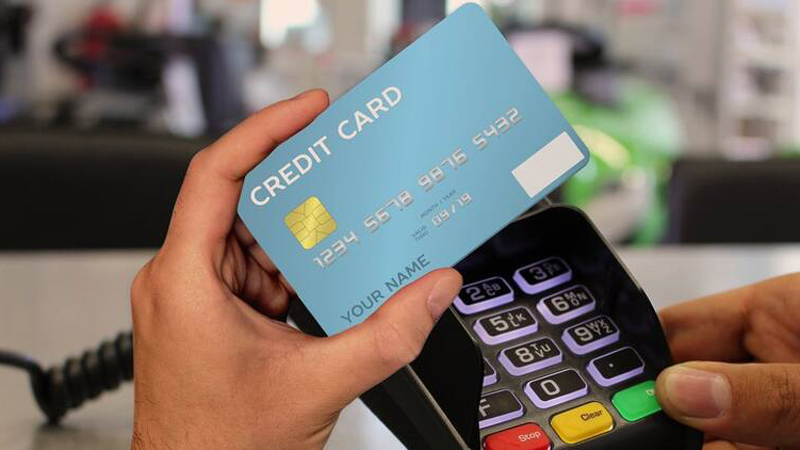
MUMBAI: Looks like this Diwali, Indians didn’t just light up their homes, they swiped their way to sparkle too. A new survey by Paisabazaar reveals that over 42 per cent of credit card users spent upwards of Rs 50,000 on festive shopping this year, signalling that big-ticket buying is firmly back in fashion.
The festive cheer wasn’t limited to diyas and discounts, it spread right across credit limits. About 22 per cent of respondents spent between Rs 50,000 and Rs 1 lakh, while one in five splurged over Rs 1 lakh on their cards during Diwali. The survey, which covered over 2,300 users, paints a clear picture of India’s growing comfort with credit as a strategic spending tool.
When it came to what they bought, home appliances topped the wishlist at 25 per cent, followed by mobiles, gadgets and accessories at 23 per cent, and apparel at 22 per cent. Furniture and décor made up 18 per cent of spends, while gold and jewellery accounted for 12 per cent proof that both sparkle and substance drove shopping choices this season.

But it wasn’t all impulse. The study revealed that 91 per cent of shoppers planned their purchases around card-specific offers and festive deals. Less than 10 per cent relied solely on their card’s standard cashback or reward structure. Clearly, today’s consumers are not just shopping, they’re strategising.
“Consumers are using credit cards more intelligently, timing their high-value purchases with festive offers and card-linked deals,” said Paisabazaar CEO Santosh Agarwal. “This growing financial awareness shows how value and convenience are driving credit card use.”
The benefits are paying off too. Nearly 71 per cent of respondents owned shopping-specific credit cards that offered cashback or festive rewards, while 15 per cent received seasonal deals even without such cards. For many, cashback remained the biggest draw chosen by 20 per cent of users followed closely by co-branded offers (19 per cent) and accelerated reward points (18 per cent).
Among those opting for EMIs, No-Cost EMI emerged as the clear winner, attracting 56 per cent of users, while 29 per cent chose EMIs to unlock extra discounts and 10 per cent used them simply to spread payments more comfortably.
Interestingly, shoppers were equally at home online and offline 48 per cent said they preferred a mix of both. The hunt for better deals drove most of them to e-commerce giants, with 83 per cent claiming they found the best discounts on platforms like Amazon and Flipkart. Together, the two dominated with a 43 per cent preference rate, followed by Myntra (15 per cent), Meesho (10 per cent), and other platforms such as Ajio, Nykaa, Zepto and Tata Cliq accounting for 32 per cent collectively.
Paisabazaar, head of credit cards Rohit Chhibbar summed it up aptly: “This festive season marked the rise of the value-savvy shopper, one who plans, compares, and capitalises on every offer. Cashback, rewards, and no-cost EMIs have made credit cards indispensable for festive spending.”
In short, this Diwali, shoppers didn’t just chase lights, they chased the right swipes.







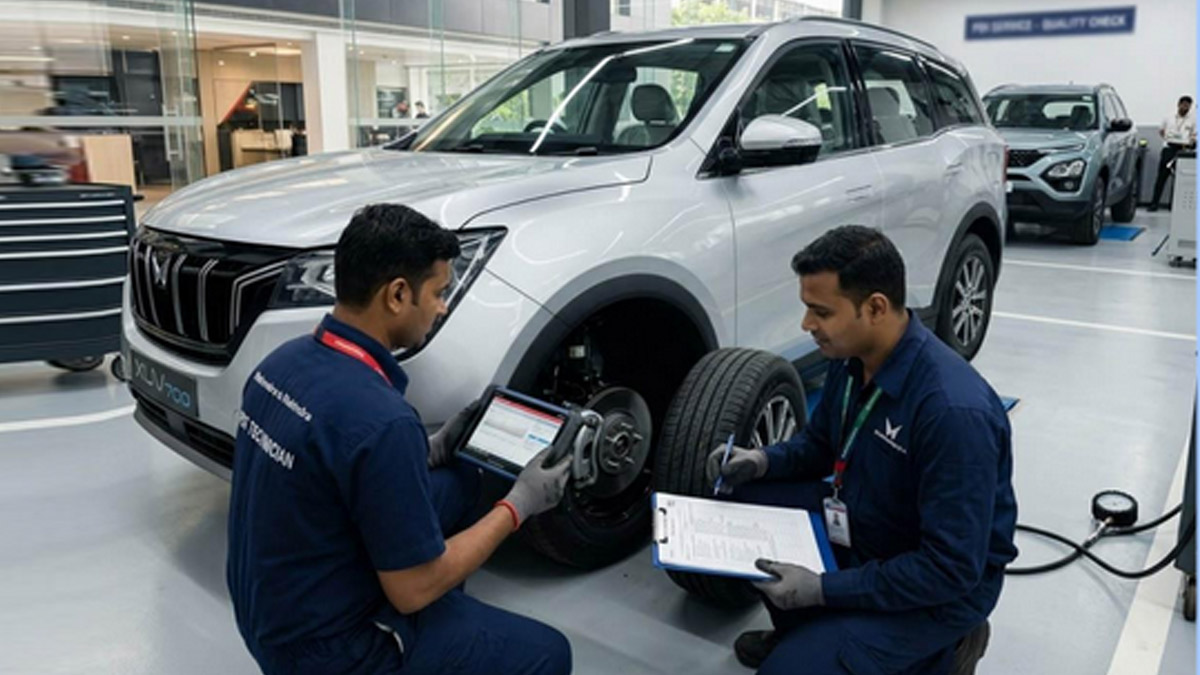
You have spent weeks researching, test driven a few options, finalised the colour and variant, and are now days away from taking delivery of your new car. It feels like the hard part is over. But there is one step that most buyers skip entirely, and it is the one that protects everything else. Understanding what PDI meaning covers and why it matters could save you from discovering a Rs 20,000 to Rs 80,000 problem after you have already signed the papers.
PDI stands for Pre-Delivery Inspection. It is a structured check that happens before your car is handed over to you. A proper PDI car service covers everything from paint quality and panel alignment to electrical systems, fluid levels and tyre pressure. Dealers are supposed to conduct this before delivery, but the depth of the check varies widely. And if the buyer does not know what to look for, problems slip through.
What Does a PDI Actually Cover?
A thorough PDI checks the car across four broad categories:
| Category | What Gets Checked | Common Issues Found |
| Exterior | Paint quality, panel gaps, glass, lights, tyres | Paint chips, uneven panel alignment, scratched glass |
| Interior | Seat upholstery, dashboard, AC, infotainment, switches | Loose trims, non-functional buttons, squeaks and rattles |
| Mechanical | Engine bay, fluids, battery, brakes, steering | Low fluid levels, minor leaks, battery not fully charged |
| Electrical | All lights, windows, central locking, sensors | Malfunctioning sensors, flickering displays, USB ports |
Each of these categories can hide issues that are minor at delivery but expensive if left unaddressed. A small paint chip near a door edge, for example, can lead to rust in a humid city like Mumbai or Chennai within 12 to 18 months.
What It Can Cost You to Skip the PDI
Here is a realistic look at what buyers have discovered after delivery that a proper PDI would have caught before:
• Paint defects requiring respraying: Rs 8,000 to Rs 25,000 depending on the panel
• Misaligned panels or doors that need workshop adjustment: Rs 3,000 to Rs 8,000
• Non-functional infotainment unit needing replacement: Rs 15,000 to Rs 40,000
• Scratched windshield that needs full replacement: Rs 6,000 to Rs 18,000
• AC not cooling properly due to low refrigerant: Rs 2,000 to Rs 5,000
• Tyre with a slow puncture from storage damage: Rs 3,000 to Rs 6,000
The total exposure from a single missed PDI can range from Rs 5,000 for minor issues to Rs 80,000 or more if multiple problems are found post-delivery. More importantly, proving that a defect existed before delivery becomes significantly harder once you have taken the keys.
Why Dealer PDIs Are Not Always Enough
Most dealerships do conduct a pre-delivery check on their own, but the process is not always as rigorous as it should be. There are a few reasons for this:
High Delivery Volumes
During festive season or at the end of a financial year, dealerships handle a surge in deliveries. When a service team is processing 15 to 20 cars a day, the depth of each check inevitably suffers.
Incentive Misalignment
Dealership staff are often incentivised on delivery speed and customer satisfaction scores. Finding a defect and sending a car back for rework delays delivery and affects scores. The incentive to look harder is not always present.
Buyer Unawareness
Most buyers arrive at delivery excited and in a hurry to leave. Without knowing what to look for, they miss things that a trained eye would catch immediately. Dealers know this, and the pressure to be thorough is lower when buyers are not asking questions.
What You Should Check Yourself at Delivery
Even if the dealer has completed their PDI, spend 20 to 30 minutes doing your own check at delivery. Here is a quick reference:
Check How to Do It Time Required Walk around in daylight Check all panels for scratches, chips and dents 5 minutes Open every door Check seals, check for rattles, test all windows 3 minutes Check interior thoroughly Test every button, switch and screen 5 minutes Start the car Look for warning lights, check AC, check all lights 5 minutes Check the boot Look for spare tyre, tools, jack and damage 2 minutes Inspect tyres Check pressure and look for sidewall damage 3 minutes
The Bottom Line
A PDI is not a formality. It is the last line of defence between you and a problem that the manufacturer or dealer should have fixed before you paid for the car.
Take the time to understand what the check involves, ask your dealer for confirmation that it has been completed, and do your own walkthrough at delivery. Twenty minutes of attention at this stage can save you weeks of workshop visits and tens of thousands of rupees down the line.