Brands
‘Credible’ soap stars sell better detergent


No longer the film stars, not even an original ‘Lalitaji‘. The common protagonist in a TV ad these days is the ubiquitous hausfrau from your favourite daily soap. From soap to paint, they help sell it all. Agnes Sebastian talks to a cross section of the industry to know what makes these ads tick…
What is common to Kkusum, Mihir, Tulsi, Parvati, Om and Babuji apart from being popular characters of hit TV serials?
These are characters who, apart from having carved a niche for themselves in the hearts of their audiences, have become hot favourites with advertising agencies as well

For the last few months, there has been a spurt in the frequency and number of ads featuring television artistes. Be it Tulsi and Parvati playing dandia in the Nerolac ad, the C.I. D. team being frozen by a sudden streak of Tide detergent or Tulsi endorsing Milton appliances, the list grows every day.
| Earlier the domain of film and sports stars, ads increasingly feature the hardworking housewife and the endearing grandfather to promote products that project the ‘family image‘. Agencies have begun to realise that in order to tug the strings of the target audience, it is essential to capitalise on the popularity of these artists who have become an integral part of every household. They even go to the extent of blending the scripts of ads with the characters played by the artistes. Not surprisingly, Balaji serials like Kyunkii , Kahaani and the artistes therein are the ideal candidates for pushing several products, be it tea, detergent or paint. | ||||||
“We signed Ketki Devi (Daksha chachi of Kyunki Saas Bhi Kabhi Bahu Thi) for the Rin Shakti ad as our target audience were housewives who encounter such pestering neighbours on a day to day basis. Thanks to her image, they were able to relate to her and not surprisingly the ad was a success,” says J Walter Thompson, Creative Director, Reuben Samuel.
On being asked why it was no longer possible to create the popular Lalitaji like character to sell Rin, he explains: “Due to the fragmentation of media, it is easier and more economical to cast television artistes. They are approachable and do not belong to a different planet altogether as is the case with some Bollywood stars. Moreover , the audience is able to relate to them and attach a certain kind of credibility to them because of the exemplary character portrayed by them,” he adds. Most of the ads featuring these artistes are those selling products which are of interest to the housewife, the one member of the family who is in tune with all serials/soaps on air. “If a person has already struck a chord with the audience then it becomes easier for that person to sell a product. The simple logic is that people begin to identify with the character and thus begin to trust him /her. Thus the brands take mileage out of their name.” comments a Lowe Lintas official.
For the tele stars, ads are a boon as it ensures quick money and recognizes their popularity and influence on their audience. “I have appeared in about 12 to 15 ads. There‘s no denying the fact that I have bagged ads because of my image. When the audience sees Parvati , the ideal Bahu, use certain products it encourages them to do the same. It definitely helps boost sales figures,” says Saakshi Tanwar ( Parvati of Kahaani Ghar Ghar Ki). However , there are certain artistes who believe that acting in serials, featuring in ads are all media to achieve higher goals. “Brands approach us because they want their products to sell.
Barring shampoos and soft drinks, I have endorsed everything else. The brands trust me and my ability to perform and gel with people . I am somehow able to convince them into buying the product. Though I admit that Kyunki Saas Bhi Kabhi Bahu Thi has given a boost to my popularity, I featured in the Whirpool ad much before it happened,” says Aman Varma who believes that the serials and ads have helped him achieve his ultimate goal in life which is to act in movies. He has signed five movies so far. Interestingly, with the increase in ads featuring such small screen artists, the production houses face the obvious problems of rescheduling dates when they clash with those of ads. “Woman characterization has worked. It is a compliment to us when we see our artistes endorsing top brands. However, it does become a wee bit difficult when the shooting schedules for ads and the serials begin to clash. However the artistes realize that if it weren‘t for our serials, which gave them the identity there would be no ads,” says Balaji Telefilms, COO, Rajesh Pavithran.
All this simply reinstates the fact that the small screen is still the most powerful medium of communication today and that the soaps cannot be written off as simple modes of entertainment alone. Soaps not only spell the success of a channel but also that of certain products and the advertising world. With Bollywood stars like Karisma Kapoor and Sridevi all set to make their debut on the small screen, the power of the idiot box and its many characters is only going to increase. |
||||||







Brands
Kotak Mahindra Prime names Suraj Rajappan as managing director and chief executive
The car-finance arm of Kotak Mahindra Bank lines up a new chief and raises its borrowing limit
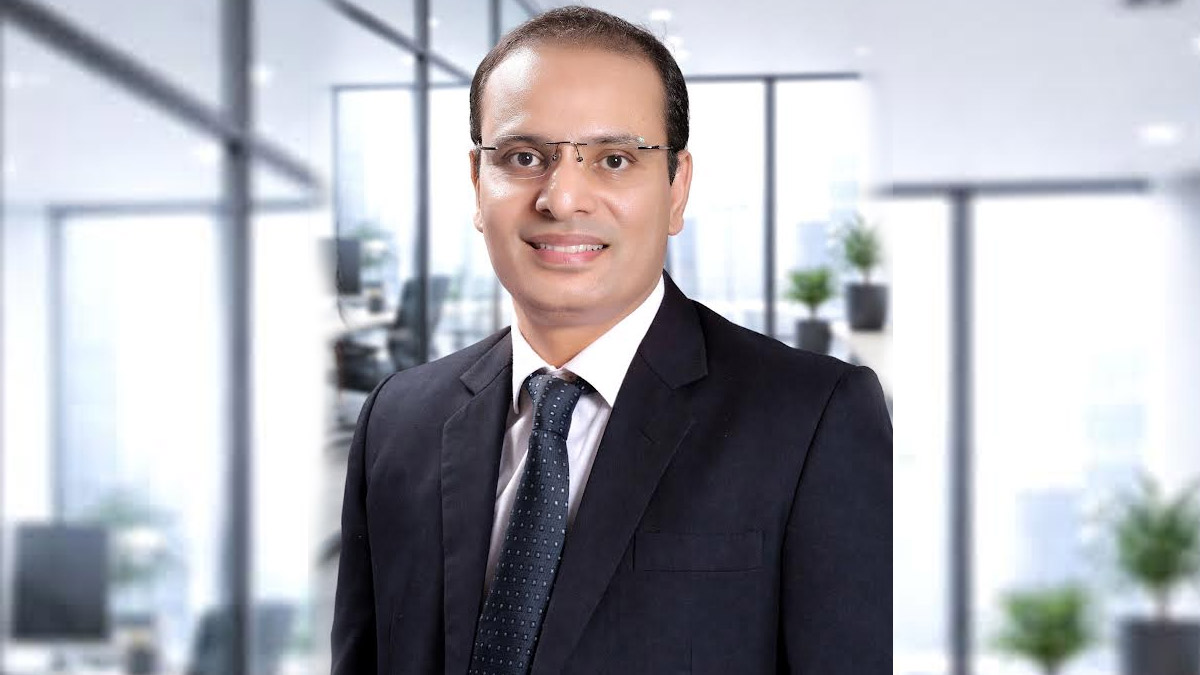
MUMBAI: Suraj Rajappan is getting the keys. Kotak Mahindra Prime Limited (KMPL), India’s veteran car-finance outfit, has named him managing director and chief executive, effective June 1st, 2026—the same day his predecessor drives off into retirement.
The board approved the appointment at its meeting on March 18th. Rajappan, currently a whole-time director at the company, has spent his entire 24-year career at KMPL, working across functions before rising to the top job. The three-year term remains subject to shareholder approval, and the company confirmed he faces no bar from SEBI or any other authority from holding the post.
He takes over from Shahrukh Todiwala, who superannuates on May 31st after more than three decades with the Kotak Group. Ashok Vaswani, managing director and chief executive of parent Kotak Mahindra Bank, was generous in his send-off. Todiwala, he said, “leaves behind a legacy marked by prudent growth, strong risk discipline, and a focus on customer-centricity.” Of his successor, Vaswani was equally bullish: Rajappan’s “deep industry experience and execution capabilities position KMPL well for its next phase of growth.”
The board also loosened the purse strings, raising the company’s overall outstanding debt limit from Rs 43,000 crore to Rs 48,000 crore. The expanded ceiling covers bank loans, debentures, commercial paper, treasury operations, credit facilities and external commercial borrowings.
KMPL has operated as a car-finance company since 1996, branching into two-wheeler loans in 2018 and loans against property in 2021. With fresh leadership, a bigger borrowing arsenal and an ambitious lender for a parent, Rajappan’s first task is clear: step on the accelerator.