MAM
Create value wherever life places you: Madison’s Vanita Keswani

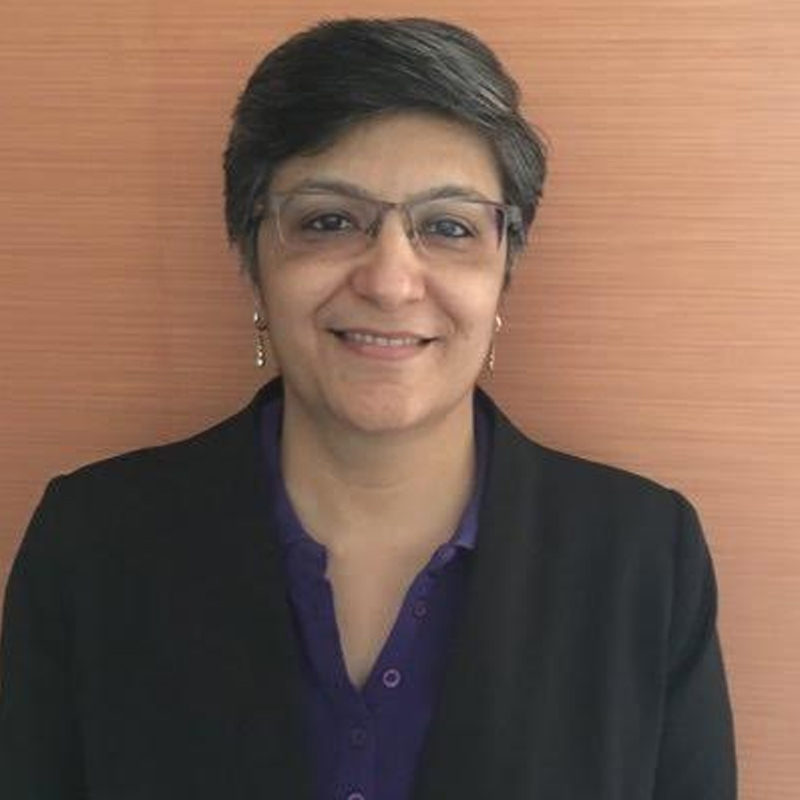
MUMBAI: During lockdown, we may not be living life like monks, but we are certainly living under restrictions. For us, the lack of hustle and bustle is quite unsettling. We’re so accustomed to this fast-paced life that when it ceases, we may feel anxious and uneasy. In this quietness, our minds are occupied by this constant chatter which refuses to go. At this moment, when our lives are at risk, there is a concern of job security and financial stability; it is easy for negative thoughts to emerge. Under this situation, what is the role of spirituality? Why is it important? To answer all these questions Indiantelevision.com spoke to Madison Media Sigma CEO Vanita Keswani who through her poem invokes the underlying emotion that every human needs to address, especially during these testing times.
Excerpts:

What is the importance of spirituality in your life?

Spirituality has helped me discover meaning and purpose in all areas of my life. It drives me towards constant self-improvement and plays a pivotal role in polishing innate humane qualities like trust, sense of responsibility and empowerment.
How can entrepreneurship and spirituality go together?
Japanese reformist Makiguchi suggests that work can provide three kinds of value – Beauty (work that we like), Benefit (financial security) and Good (value to society). Entrepreneurship can help build either or each of these values depending on the entrepreneur’s objectives.
Please tell us about your love for poetry?
I am fascinated by the rhyme and rhythm in which poetry flows and appeases our senses. This passion of mine has its roots in school activities of elocution and poetry writing.
Has your inclination to spirituality helped you get through the lockdown?
Certainly, spirituality has helped me elevate my fundamental life state and manifest high vitality and stamina amidst challenging circumstances. These trying times have given me the opportunity to apply spiritual concepts like “oneness of life and environment” and “changing poison to medicine.” Rather than being at the mercy of the environment, I am learning to influence my environment inside out through positivity.
What advice would you like to give others who may be exploring this?
Constantly unearth the jewel of your life and polish it. Seek your own entity and unique purpose in life.
Who or what has shaped who you are?
I have been blessed to find greater meaning in my life through the life-transforming philosophy of Nicherin Daishon in Buddhism. My family and my workplace have played a major role in the evolutionary process.
What is your greatest fear, and how do you manage fear?
My greatest fear is of not being in control and not knowing what to do in certain challenging situations. For managing my fear, I work on building the tenacity of my mind through meditation and chanting and act by working harder and giving my absolute best. I truly believe that each such fearful situation that I successfully overcome, which makes me stronger and wiser.
If you had the chance to start your career over again, what would you do differently?
I am a firm believer in the mantra, “From this moment onwards now”. I like to live the drama of life regret-free. So, no retakes.
If you were to write a book about yourself, how would you name it?
The name of my book would be ‘pH balance’. The foreword would describe the relevance of the title – discovering my purpose and happiness in life
What business-related book has inspired you the most? (or, What is your favorite book?)
Stories at Work – Unlock the secret to Business storytelling by Indranil Chakraborty. It inspires me to use storytelling to create a lasting impact among audiences that I address.
What mindsets helped make you successful?
When work is a pleasure, life is a joy.
Create value wherever life places you.







MAM
Ameya Velankar steps down as Uber’s head of marketing for India & South Asia
Veteran marketer exits after more than seven years with the ride-hailing giant.
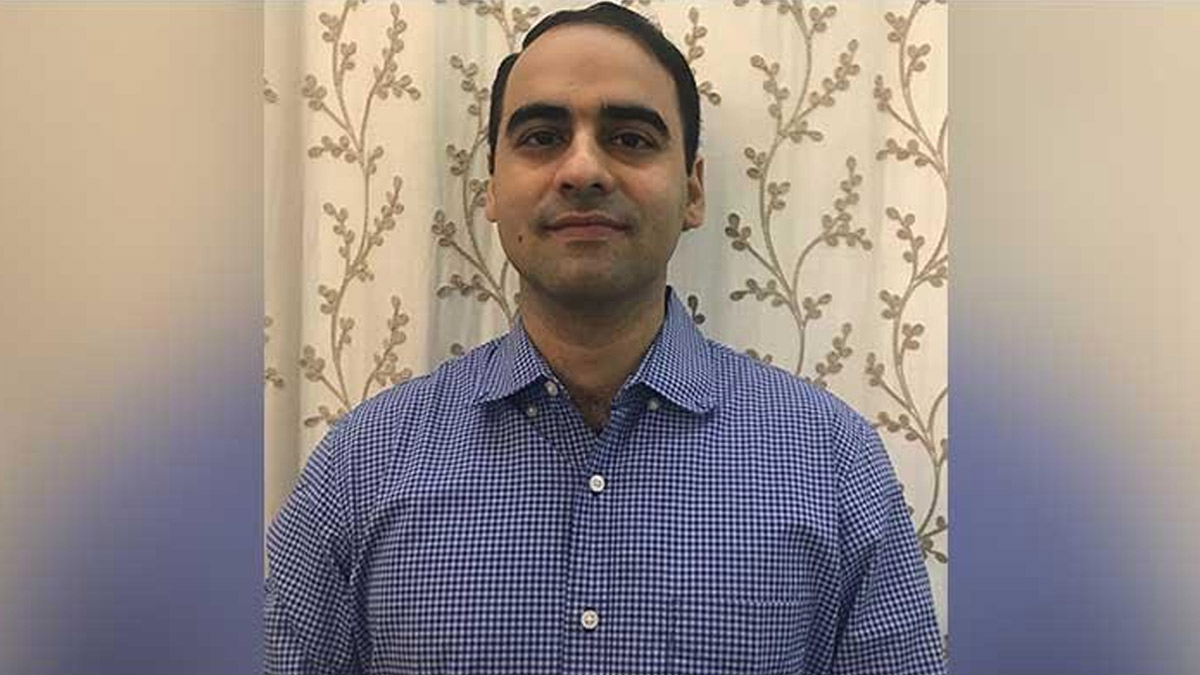
MUMBAI: After more than seven years of steering Uber through the bumpy roads of India’s mobility market, Ameya Velankar has decided to change lanes. Ameya Velankar has stepped down as Head of Marketing for India and South Asia, marking the end of a significant chapter at the ride-hailing company. He had been with Uber since 2019, taking on multiple roles in product and category marketing before rising to lead the marketing function for the region in 2021.
During his tenure, Velankar played a key role in strengthening Uber’s positioning in one of its most competitive and dynamic markets. He helped drive localised marketing strategies and scale adoption across key offerings such as Auto, Moto, Rentals and Intercity, tailoring global platforms to Indian consumer needs.
Prior to joining Uber, Velankar built his marketing expertise at leading consumer companies including SC Johnson and Marico, where he handled category and product leadership roles. His career began at RPG Enterprises.
Details of his next professional move have not been disclosed.
In a fast-evolving mobility landscape where brands constantly battle for attention, Ameya Velankar helped Uber stay relevant and resonant with millions of Indian users. As he moves on from the driver’s seat of marketing, the company will now look for fresh ideas to keep its wheels turning smoothly.






