Brands
Covid2019 uplifts health insurance sector, but premium segment sees decline


NEW DELHI: With the Covid2019 health crisis surging, the concern for health and wellbeing is at an all-time high. While other sectors saw revenues spiral downward, the health insurance sector saw the highest collection during the pandemic when compared to even FY18 and FY19.
However, the surge in the sector only caters to health and lifeline products. The spark in the Covid2019 cases has led to the demand for health and insurance policies. The premium collection of various brands have suffered heavy losses, which can also see another phase of decline, as with fewer chances of travelling this year, customers will be cautious about spending a hefty amount.
Industry officials believe that there will be a surge in life claims in the coming months and customers will be inclined more towards the health insurance segment.

Policybazaar.com head – product and innovations Vaidyanathan Ramani says, “This year we expect motor and other general insurance lines to be impacted while health and life insurance should see an uptick as is evident from trends so far. The extent of outcome deviant from past years will depend on how long the Covid2019 shadow hangs over us. The growth in medium-term should, however, return back to reflect the economic growth with health running above this average as our penetration still remains below par despite the recent upswings.”
In March when the lockdown was initiated across the country, insurance companies changed their strategies and moved towards the online distribution model. Many companies took proactive steps on the product innovation front. Past trends indicate that the industry heavily depends on the offline market and the digital medium only contributes single-digit additions. However, companies at the earliest shifted their business online, which has helped them grow.
Policybazaar has also adopted a revamped messaging strategy. “We are communicating a very clear messaging that informs customers that they can secure the future, by ensuring their health and life for a very reasonable sum. Insurance is becoming a more pull product than push owing to the current situation,” says Ramani.
He adds that telemedical check-ups are the new normal, which is here to stay even post the lockdown. “A large proportion of health and life policies have already been sold on our platform via telemedical,” he shares.
Insurance companies have been advertising heavily during the pandemic. Recently HDFC launched a safety grid campaign to adhere to social distancing even after the lockdown is lifted. On the contrary, DSP Mutual Funds released an OHH campaign ‘Avoid’ in Mumbai, highlighting the preventive measures for SarsCoV2.
However, as India’s financial system is restricted, that will also mean expensive policies. A mid-size private insurer CEO, who chose not to be named, explains, “People are in a hurry to protect their lives, thus, investing in health insurance will see a hike in health claims globally. Reinsurers who are bearing the brunt of higher claims by insurers are planning to hike rates. This will be passed on to customers.”
Recently, the government also allowed FDI in insurance distribution, which is being seen as a welcome move. Ramani elaborates, “It’s a great move as it will bring in additional capital to support innovation and distribution for insurance in the country. India has always retained a fair interest in the insurance markets of the world and among its participants. The additional capital will be welcome and can add to some of the interesting innovations being built around us.”
While the Covid2019 graph is on the rise, insurance companies have seen a rapid increase in queries for pandemic cover by businesses. The fear among people has pushed them to realise the importance of adequate health insurance.
Religare Health Insurance head – products and business process Ashutosh Shrotriya says, “The present situation has made us realise that health insurance is no more optional but a basic necessity. With the shift from physical distribution and servicing to a completely digital process, we have seen an increase of about 30 per cent in our digital business during this period, as compared to the previous financial year. In the coming months, we foresee a further increase in inquiries for comprehensive health insurance covers.”
The government has also mandated that all employers, which have resumed functioning, to provide medical insurance to their employees. The insurance regulator body has advised insurers to offer comprehensive health insurance policies to individuals or as per the government's directions. This has led to a surge in group insurance packages.
“Each company either will opt for individual or group claims. As companies resume operations in the coming months, many will invest in group packages, as the premium is much better compared to the individual policy,” says KM Dastur Reinsurance Brokers general manager Maneck Dastur.
He also mentions, “There would be a rise in the medical premium of around five to six per cent. Despite the rise, today, except for a few medical policies, the market is still slumping. It will take time for the premium market to grow up."

Brands
Jubilant FoodWorks faces Rs 47.5 crore GST demand, plans appeal
Tax authorities flag alleged misclassification of restaurant services
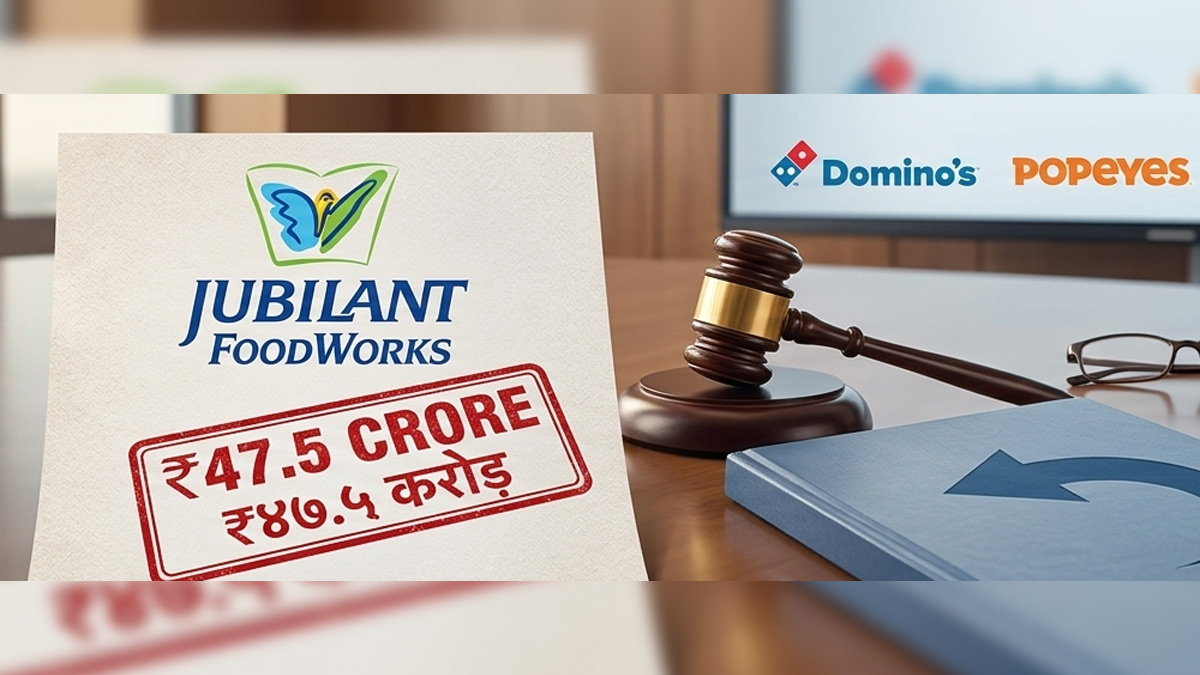
MUMBAI: Jubilant FoodWorks Limited has landed in a tax tussle after receiving a GST demand of Rs 47.5 crore from the office of the additional commissioner of CGST and central excise in Thane, Maharashtra.
The order, issued under the provisions of the Central Goods and Services Tax Act, 2017, relates to an alleged incorrect classification of certain services under the category of restaurant services. According to the tax authorities, this classification resulted in a short payment of goods and services tax for the period between the financial years 2019-20 and 2021-22.
The demand includes Rs 47.5 crore in GST along with an equal amount as penalty, in addition to applicable interest. The order was received by the company on March 13, 2026.
In a regulatory filing to the BSE Limited and the National Stock Exchange of India Limited, the company said it disagrees with the order and believes its arguments were not adequately considered.
The company is preparing to challenge the decision and plans to file an appeal. It added that once the redressal process is complete, the demand is likely to be dropped.
Despite the sizeable figure attached to the notice, the company said it does not expect any material impact on its financials, operations or other activities.
The disclosure was signed by Suman Hegde, EVP and chief financial officer, who confirmed that the company received the order at 19:06 IST on March 13 and has already initiated steps to contest it.
The development places the quick service restaurant major in the middle of a tax debate that could hinge on how certain restaurant-linked services are classified under GST rules. For now, the company appears ready to take the matter from the tax office to the appeals desk.