MAM
Contract appoints Monojit Ray as Bengaluru head

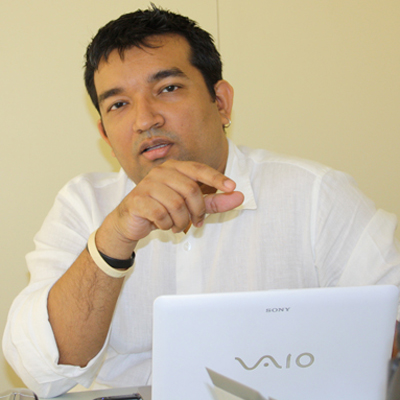
MUMBAI: The Bengaluru arm of Contract has got a new head. Monojit Ray has been appointed as the general manager and vice president with immediate effect. He will take charge from Anitha Krishnan who was with the company for 10 years.
Ray will handle not just the Bengaluru portfolio but also be responsible for the growth of Contract in south India. “Monojit’s diverse advertising and marketing experience of over 18 years, complimented by his entrepreneurial experience makes him an ideal choice for heading the Bengaluru office,” said Contract Advertising COO Rana Barua.
 |
|
Monojit Ray has 18 years of experience in the field
|
Prior to this, Ray has worked with Ogilvy, Rediffusion, Radio City, Autocop and Everest. “I think it’s a great opportunity and a challenge to be part of a rejuvenated Contract. The vision that Rana has set for the agency is right up my street. And I sincerely believe that the Bengaluru office will play an extremely important role in achieving that goal. I, for one, am extremely excited to be part of this new journey, and I hope that I will be able to make my team as excited about it as we go along,” said Ray.
Ray had earlier managed Sachin Tendulkar’s first major advertising assignment with Phillips. He was prominent in launching Tata Teleservices in Hyderabad. He is not new to the IT city, having worked there before. He was also the cricket coach and consultant for the movie Kai Po Che.








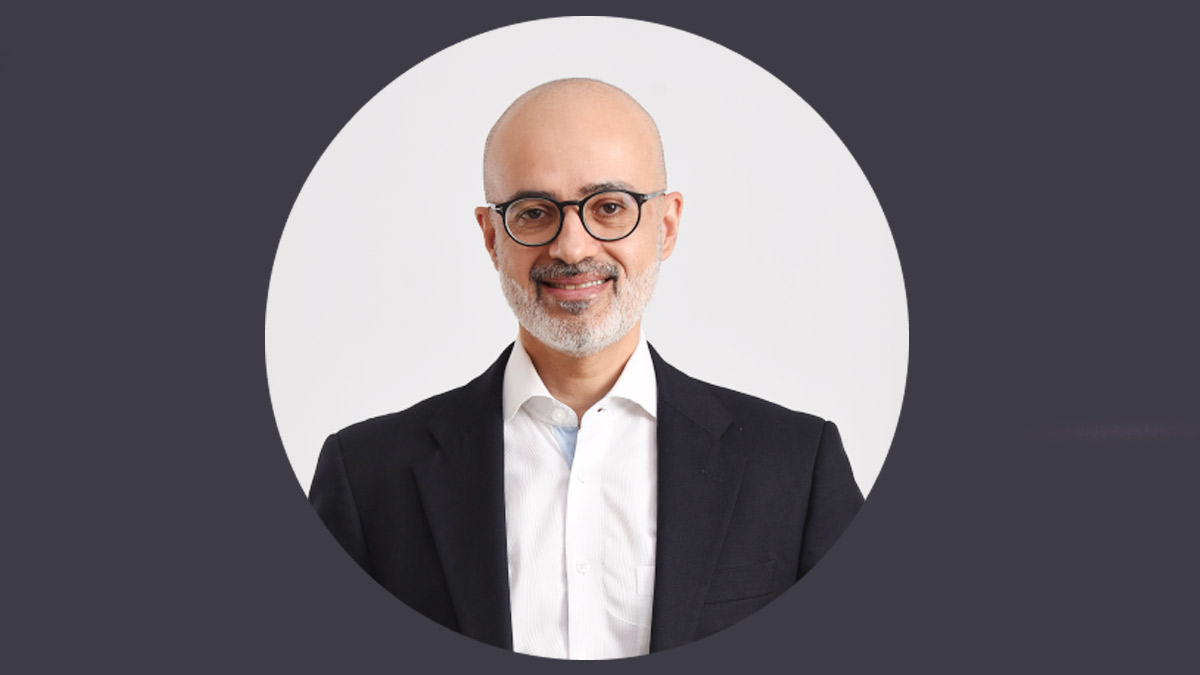
MUMBAI: In India’s fast-moving payments race, Visa has just swiped in a new leader. The company has named Suresh Sethi as its India country head, marking a key leadership shift as it sharpens its focus on digital payments growth in the market. Sethi steps into the role following his recent exit from Protean eGov Technologies, where he served as chief executive officer. He succeeds Sandeep Ghosh, who has moved on after more than four years at Visa to pursue an external opportunity.
The appointment comes at a time when Visa is doubling down on its expansion strategy across India and the wider region, deepening partnerships and accelerating adoption in an increasingly competitive digital payments ecosystem.
Sethi brings with him a broad, cross-market perspective shaped by decades of experience across corporate banking, retail financial services, mobile money and large-scale government technology initiatives. He began his career at Citigroup, where he spent 14 years working across India, Africa, South America and the United States, focusing on transaction banking services within the corporate bank.
His appointment signals a blend of institutional experience and market familiarity qualities that could prove critical as Visa navigates a landscape where fintech innovation, regulatory evolution and consumer adoption are all accelerating at once.
As digital payments in India continue to scale rapidly, the leadership change underscores a simple reality, in a market where every tap, scan and swipe counts, who leads the charge can matter just as much as the technology itself.







