MAM
Consumers can now ‘Snap and WhatsApp’ objectionable ads to ASCI

MUMBAI: Continuing with the mission to protect consumers’ interest, the Advertising Standard Council of India (ASCI) is embracing technology to connect with the consumers and curb misleading advertisements. Consumers can now WhatsApp the objectionable advertisement to +91 77-100-12345.
The launch would be followed by awareness campaigns by means of print advertisement and radio spots with tagline of “Spot Bad Ad? Snap and WhatsApp +91 77100 12345.”
ASCI Chairman Benoy Roychowdhury said at this event, “We are happy to launch the WhatsApp number, close to the World Consumer Rights Day (15th March). ASCI is truly empowering consumers by making it more accessible. Today almost every person with a smartphone is using messaging services such as WhatsApp. Technology makes it possible for them to flag false, misleading or offensive ads instantaneously and anytime anywhere while on the go – be it while reading newspapers at home, on their way to office, listening to radio or watching TV in the evening.”

WhatsApp will serve as only the first touch point for consumers to reach ASCI with their main objections and images of the objectionable advertisement. Consumers can send pictures of print ads, hoardings, packaging or Screen shots of websites, Links of YouTube videos etc.
ASCI team would be scrutinizing these complaints and take it further if found valid as well as having complete details such as name and e:mail ID. The complainant would receive status updates on the complaint by SMS /and email. The WhatsApp number is not meant for commercial purpose. The complaint processing is free for consumers, in line with the ASCI’s mission of promoting self-regulation of advertising content and protecting Consumers’ interest.






MAM
Ameya Velankar steps down as Uber’s head of marketing for India & South Asia
Veteran marketer exits after more than seven years with the ride-hailing giant.
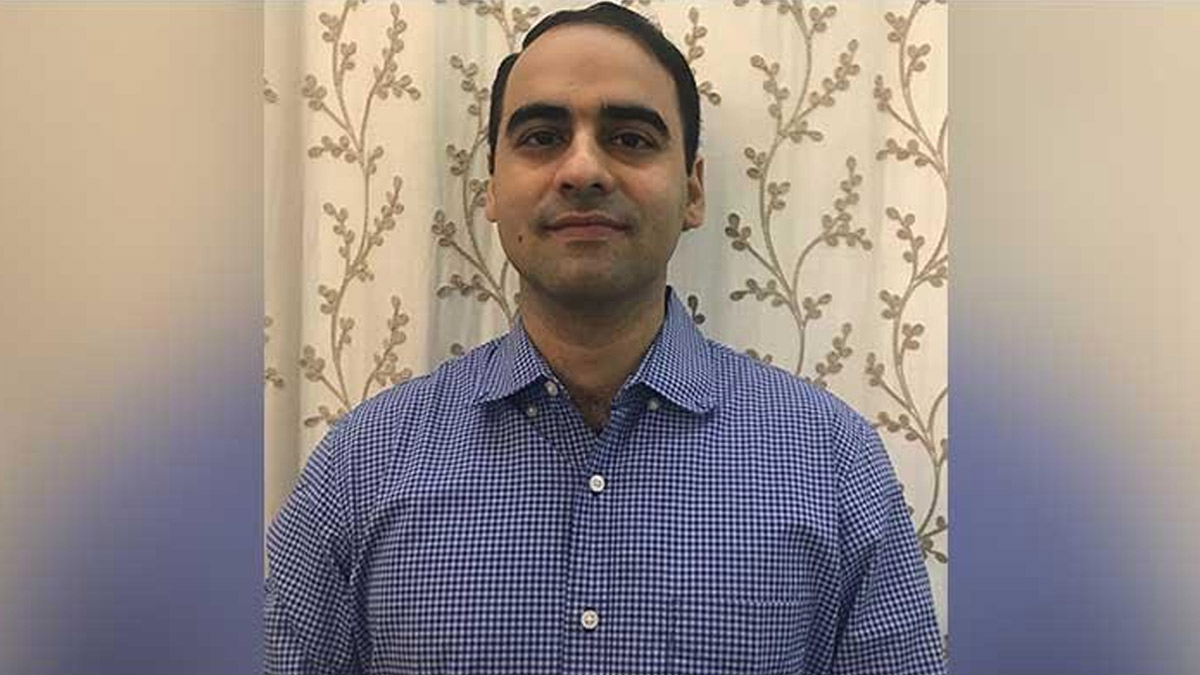
MUMBAI: After more than seven years of steering Uber through the bumpy roads of India’s mobility market, Ameya Velankar has decided to change lanes. Ameya Velankar has stepped down as Head of Marketing for India and South Asia, marking the end of a significant chapter at the ride-hailing company. He had been with Uber since 2019, taking on multiple roles in product and category marketing before rising to lead the marketing function for the region in 2021.
During his tenure, Velankar played a key role in strengthening Uber’s positioning in one of its most competitive and dynamic markets. He helped drive localised marketing strategies and scale adoption across key offerings such as Auto, Moto, Rentals and Intercity, tailoring global platforms to Indian consumer needs.
Prior to joining Uber, Velankar built his marketing expertise at leading consumer companies including SC Johnson and Marico, where he handled category and product leadership roles. His career began at RPG Enterprises.
Details of his next professional move have not been disclosed.
In a fast-evolving mobility landscape where brands constantly battle for attention, Ameya Velankar helped Uber stay relevant and resonant with millions of Indian users. As he moves on from the driver’s seat of marketing, the company will now look for fresh ideas to keep its wheels turning smoothly.






