MAM
Common man feels ignored by politicians: Ipsos Survey

New Delhi, Oct 01, 2018: Ipsos Survey shows that 58% Indians feel that the economy is partial to those with deep pockets – the rich and powerful. Further, 59% feel that traditional parties and politicians disregard the common man.
The survey christened Beyond Populism was conducted online among adults aged under 65 in Argentina, Australia, Belgium, Brazil, Canada, Chile, France, Germany, Great Britain, Hungary, India, Italy, Japan, Malaysia, Mexico, Peru, Poland, Russia, Spain, Saudi Arabia, South Africa, South Korea, Sweden, Turkey and the United States.
Parijat Chakraborty, Executive Director, Ipsos Public Affairs says, “The survey shows that the common man is feeling left out in the scheme of things. With the General Elections coming up in 2019, this insight can help political parties focus on the needs of the marginalized and the man on the street.”
Interestingly, Indians are clear about what attributes they look for in their politicians. Majority of Indians polled (62%) prefer outspoken politicians who can speak their mind without worrying about the consequences; and more number of Indians (68%) like their leaders strong and those who can create their own path and are not hesitant in breaking the norms.

At the same time, only half of Indians polled see risk in electing political parties or leaders with radical ideas for change, who have not been elected earlier. 2 in 5 would stick with political parties and leaders who have been in power before.







MAM
Promotedge marks 11 years with expansion into D2C and performance marketing
Kolkata-based agency strengthens global footprint and launches new platforms.
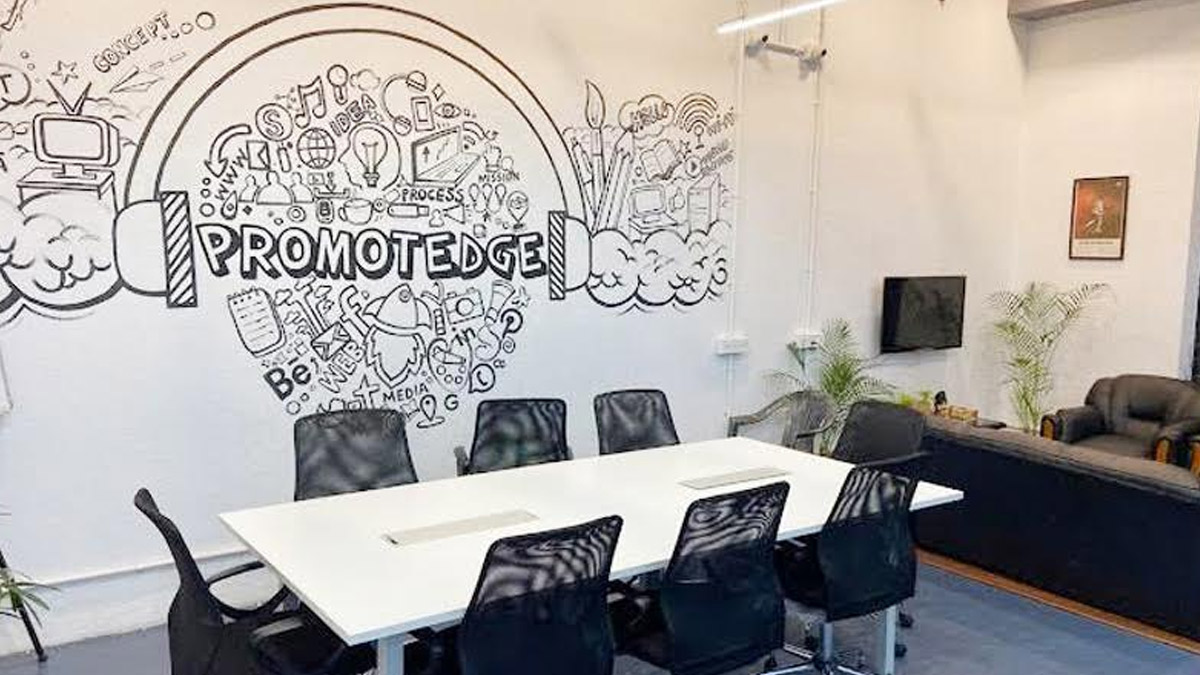
MUMBAI: Promotedge has spent 11 years quietly building momentum and now it’s ready to take a much bigger leap. The Kolkata-based integrated marketing and branding agency, founded in 2015, has completed 11 years of steady growth, evolving from a local creative firm into a full-service marketing partner with a growing international presence. With operational hubs in the US and Canada through its platform PromotEdgeDigital, the agency now serves clients across India, the US, Canada, Australia, and the Middle East.
Over the past 11 years, Promotedge has partnered with more than 200 businesses across diverse industries. Guided by its “Digitally Desi” philosophy which blends cultural insight with data-driven execution, the agency offers end-to-end services including web solutions, digital marketing, creative design, brand planning, and audio-visual production.
In its eleventh year, the agency made significant strides by developing branded IPs and content series for the automotive and industrial sectors, creating audio-visual content for international sporting bodies like the Fédération Internationale de Volleyball, and strengthening its performance marketing capabilities, particularly on quick-commerce platforms such as Zepto, Blinkit, Flipkart, and Swiggy Instamart.
To further boost its D2C focus, Promotedge has integrated the operations of Fizzle Digital into its performance marketing division, now led by founders Avi Saraf and Jhalak Agarwal. The agency continues to serve B2B clients in sectors like steel, energy, engineering, and infrastructure.
Beyond traditional services, Promotedge has introduced new platforms. DesiMachines is an online marketplace for heavy engineering and construction equipment, supported by two financial institutions and six top OEMs. The agency also launched Pexora, a joint venture with Prodigy focused on workspace design, branding, experiential marketing, and Digital Out-of-Home (DOOH) solutions in Eastern and North Eastern India.
Additionally, Promotedge nurtures The Trip Space, a boutique travel brand that curates personalised, luxury journeys for high-net-worth travellers.
Promotedge CEO Saurav Agarwal said, “PromotEdge has always been built with a long-term vision. Our goal is to develop capabilities that provide long-term value to our clients.”
As it approaches its 12th year, the agency plans to expand its global clientele, deepen D2C and performance marketing capabilities, invest in AI-enabled solutions, and strengthen its platform-led initiatives.
From a modest start in Kolkata to building platforms and partnerships across borders, PromotEdge is proving that smart, culturally rooted marketing can travel far and deliver real impact. The agency is clearly gearing up for an even bigger chapter ahead.






