MAM
Collective Artists Network reshuffles talent leadership
Fiona D’Souza, Jinal Jhaveri and Arjun Banerjee take expanded roles in core division.

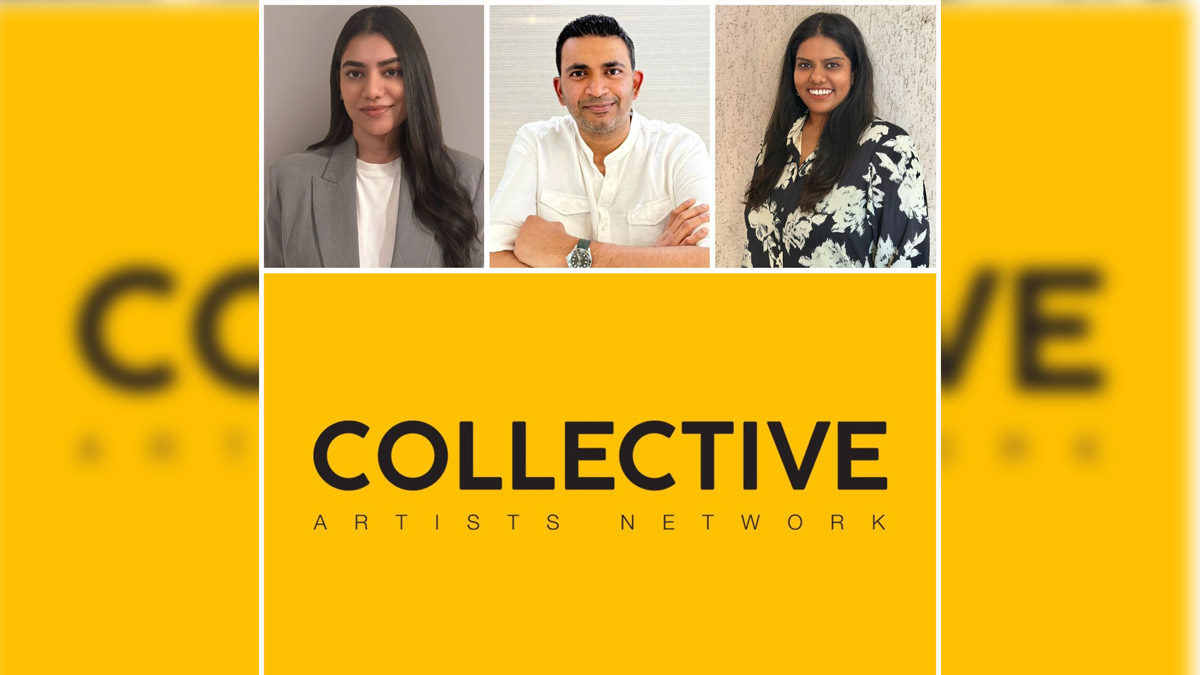
MUMBAI: Collective Artists Network just handed the talent baton to its homegrown stars because when your agents have been building careers this long, it’s time to let them run the show. Collective Artists Network has announced the next phase of leadership for its talent management business, elevating senior agents Fiona D’Souza, Jinal Jhaveri and Arjun Banerjee to expanded roles within the division. The move strengthens the company’s foundational talent arm while it continues to grow into content creation and production-led ventures.
Each of the three has played a significant part in shaping artist careers across films, digital platforms and brand partnerships. Together they now represent the next generation of leadership for Collective’s talent operations, with a continued focus on long-term career building, strong partnerships and adapting representation to a fast-changing media landscape.
Collective Artists Network founder and Group CEO Vijay Subramaniam remains actively involved in guiding artist strategy and key relationships. He said, “Talent management has been the foundation on which Collective was built, and that philosophy continues to guide how we grow the company. As we enter this next phase, it’s important that the people leading this business have both deep context and long-term convictions.”

Collective Artists Network partner and head of talent Janahavi Rawal added, “Collective’s talent business has always been built on trust, long-term thinking, and a deep understanding of where artists want to go next. Fiona, Jinal, and Arjun have each played an important role in shaping the careers of the artists we represent, and this phase is about empowering our senior agents further while building the right support systems around them.”
The leadership evolution reflects Collective’s belief in promoting from within and creating clear ownership across verticals. In a talent world where yesterday’s agent is tomorrow’s partner, Collective isn’t just reshuffling chairs, it’s handing the spotlight to the people who’ve been quietly directing the show all along.






MAM
Goafest 2026 registrations now open at early bird rates
South Asia’s top advertising festival returns to Goa in May with fresh ideas and big conversations.
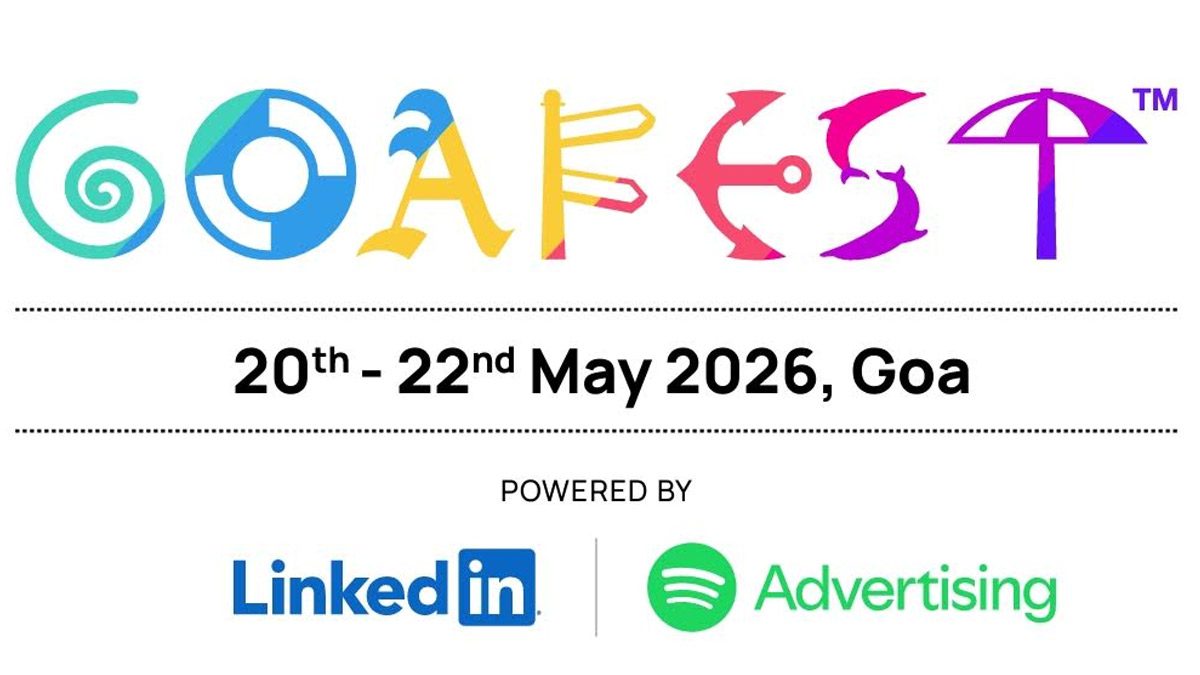
MUMBAI: Goafest is back and this time it’s not just calling for entries, it’s calling for everyone who wants to stay ahead of the creative curve. Delegate registrations for the 19th edition of Goafest, South Asia’s premier festival celebrating creativity and advertising excellence, are now open. Early Bird rates are available until 30 April 2026. The festival will take place from 20 to 22 May 2026 at Taj Cidade de Goa Horizon. It promises a dynamic line-up of keynote speakers, panel discussions, workshops and networking opportunities designed to spark fresh perspectives and meaningful industry connections.
Advertising Agencies Association of India (AAAI) president Srinivasan K. Swamy said, “Goafest continues to be a defining platform for the advertising and marketing community, bringing together diverse voices from across the ecosystem.”
Goafest 2026 co-chairman of the organising committee Mohit Joshi added, “Each year, Goafest creates an environment that encourages collaboration and connection across the industry.”
Goafest is co-hosted by the Advertising Agencies Association of India (AAAI) and The Advertising Club (TAC). The event has established itself as one of the most anticipated gatherings in the advertising and marketing calendar, offering professionals a space to exchange ideas, learn from leaders and celebrate outstanding work.
In the fast-moving world of creativity, where trends change faster than campaign deadlines, Goafest remains the annual pit-stop where the industry catches its breath, swaps stories and leaves inspired ready to create the next big idea.