MAM
Coca-Cola’s back in action with Ash and cash

MUMBAI: After a long sabatical Coca-Cola India is back this summer with one of the biggest consumer promotions in the soft drinks category. Titled ‘Thanda Aish-Cash’ is a campaign that takes the evolution of ‘Thanda Matlab Coca-Cola’ to a new level and will give consumers a chance to win cash prizes through an exciting Under-the-Crown (UTC) promotion. These cash prizes go upto Rs.1,000 in value and the total cash prizes amounts to Rs.1 crore. In addition to this, one lucky winner will get the chance of a lifetime to accompany the gorgeous Aishwarya Rai to an international premier of her next film on a foreign location.
The ‘Thanda Aish-Cash’ promotion looks at strengthing the consumer-connection with the strong equity built around ‘Thanda Matlab Coca-Cola’ campaigns that seemed to have built a bond with millions of consumers across the country for over two years. The consumer simply needs to peel the crown liner and place it on a ‘Thanda’ bottle for the prize message to appear magically.
“This promo is one of the first of its kind on innovation, scale and execution. The ‘Thanda’ mechanism which is being used for the first time reinforces the strong connection with Coca-Cola’s brand identity established through memorable ‘Thanda Matlab Coca-Cola’ campaigns during the last two years,” says Coca-Cola India corporate communication head.Vikas Kochhar.
Thanda Aish-Cash is supported by an integrated marketing and communication act which will begin with the launch of the TVC featuring Coca-Cola Brand Ambassador Aishwarya Rai and Rajpal Yadav to be aired nationally from next week across all mainline channels.
The ad is made by the famous ad and feature film producer Ram Madhvani and scripted by Prasoon Joshi of McCann Erickson. The key highlight of the campaign is the catchy new music styled on the lines of “Haryanvi Rap” which merges the ‘desi’ colloquial lingo with upmarket ‘rap’ beats. Also, this is for the first time that the Bollywood comedian Rajpal Yadav is sharing the screen with Aishwarya Rai.

In addition to the above mentioned prizes, the consumers can also take home “Aishwarya Magic Glasses”. These exclusive magic glasses display images of the Wonders of the World on the glass surface when filled with Thanda and are available in exchange for the special crown liner and Rs. seven.






MAM
Crocs and Lego launch new collaborative collection in India
Iconic brands bring playful creativity to footwear with first drop on 13 April 2026.
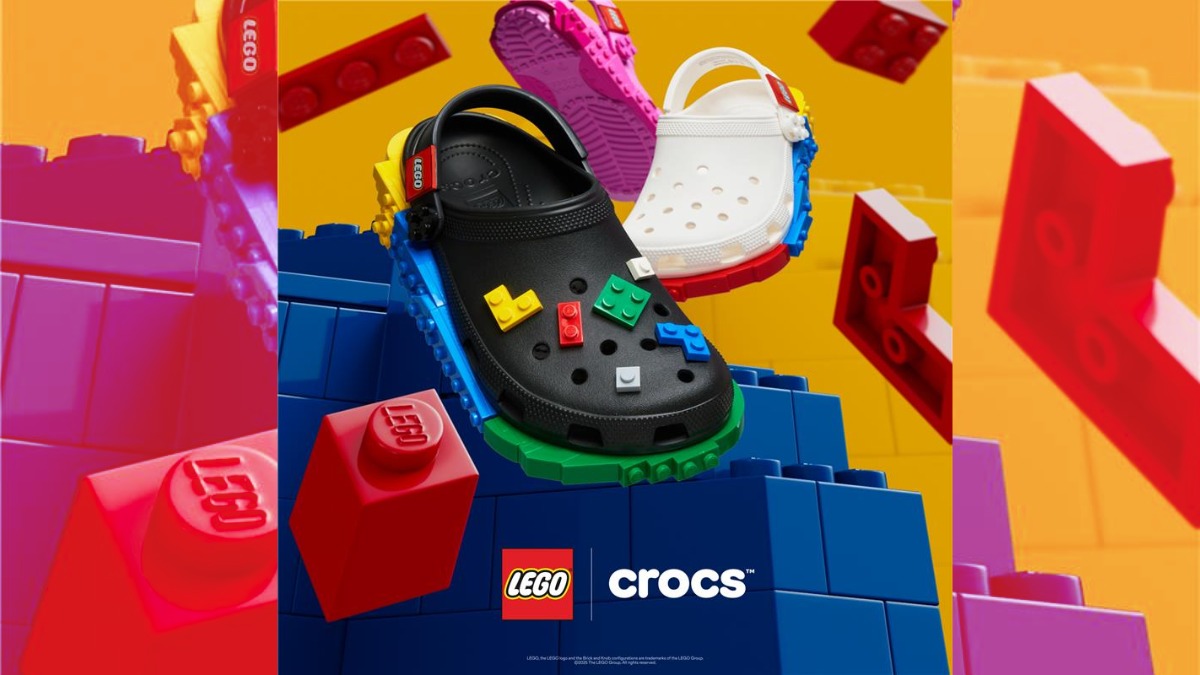
MUMBAI: Crocs and Lego have clicked together once again and this time, the bricks are heading straight for Indian feet. The global footwear brand Crocs has announced the India launch of its latest Crocs x Lego Group collection, following the excitement of their multi-year global partnership unveiled earlier this year. The collaboration celebrates creativity, play, and individuality, merging Crocs’ signature comfort with Lego’s iconic building-block spirit.
The collection will roll out in two phases. A digital-exclusive pre-launch begins on 13 April 2026 on crocs.in, featuring four styles: the Lego Masterbrand Creativity Clog, Lego Midnight Garden Creativity Clog, Lego Creativity Clog, and Kids’ Lego Creativity Clog. Each pair purchased during this phase will include an exclusive Lego minifigure as a collectible bonus.
From May 2026, the full collection will be available across select Crocs stores, VegNonVeg, and Foot Locker outlets nationwide.
The designs playfully blend Crocs’ classic clog silhouette with Lego brick-inspired details, complete with custom Jibbitz charms on the upper and sole. The collection encourages wearers to treat their footwear as a canvas for personal expression, without any set instructions just an open invitation to build, explore, and have fun.
Crocs chief marketing officer Carly Gomez said, “The Lego Group’s boundless imagination makes them the perfect match to Crocs’ wonderfully unordinary spirit. We are both brands that pride ourselves on being built different, celebrating self-expression and fuelling creativity.”
LEGO Group, head of licensing & extended line design & partnerships Satwik Saraswati added, “Our common mission to enable self-expression and wear it with pride only marks the beginning of a journey with endless possibilities.”
The campaign will extend beyond the product launch through creator-led seeding, elevated visual merchandising, and exclusive on-ground previews, supported by a deeper partnership with the Lego India team.
In a market that loves both comfort and fun, Crocs and Lego have built something special, a collection that lets every step feel like playtime. Get ready to click your heels (or rather, your clogs) because this collaboration is set to be a blockbuster hit with Indian fans.







