MAM
Closeup Unveils AI-Powered ‘Love Tunes’ Campaign to Redefine Valentine’s Day Expression
Closeup pioneers hyper-personalised romantic storytelling through generative AI.

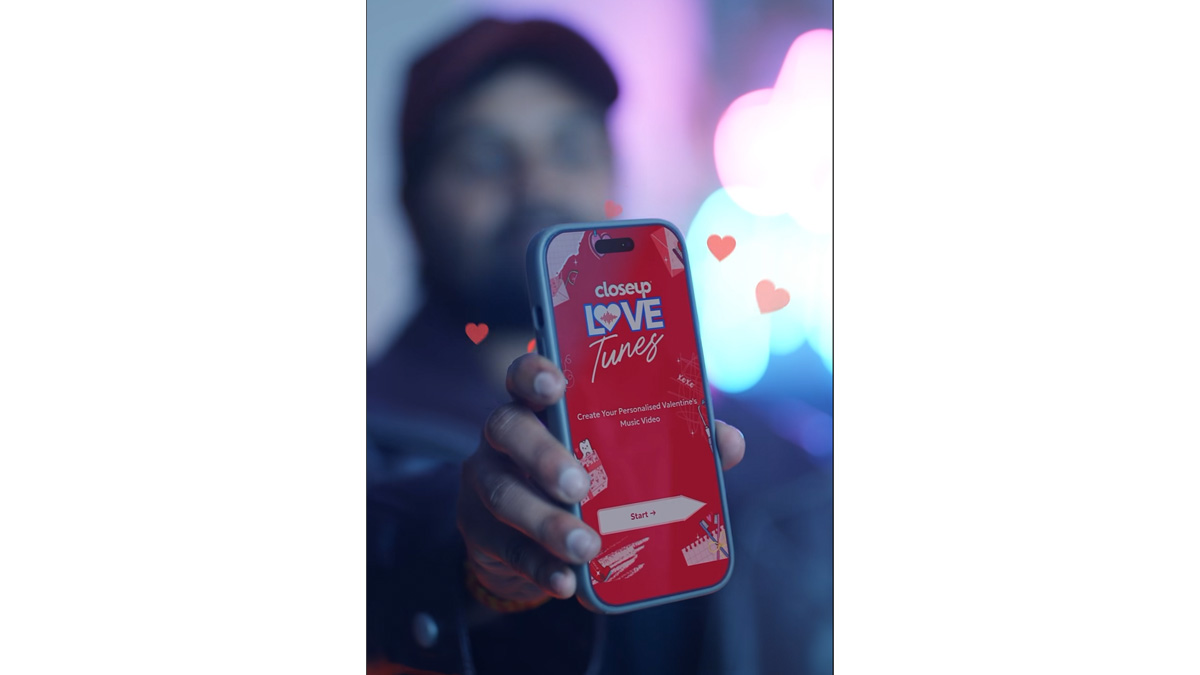
National, February 13, 2026 – Hindustan Unilever Limited’s (HUL) flagship oral care brand, Closeup, today announced the launch of ‘Closeup Love Tunes: Your Personalised Valentine’s Music Video’, a pioneering, pan-India campaign that reimagines how young India expresses love. Harnessing the power of advanced generative AI, the campaign enables consumers to create and star in their own personalised music videos—transforming emotional intent into a bold, expressive, and shareable declaration of affection this Valentine’s Day.
Rooted in Closeup’s longstanding belief in enabling closeness, the campaign addresses a contemporary cultural truth: while Gen Z values authenticity, many still struggle to articulate deep romantic feelings. Closeup Love Tunes, building on the success of last year’s initiative, creates a powerful bridge between emotion and expression—using technology not as a novelty, but as a facilitator of genuine human connection.
At the heart of the campaign is a first-of-its-kind AI experience that seamlessly transforms a user’s selfie into a fully lip-synced, cinematic music video, complete with a customised love track. From song creation to visual styling and audio-driven video rendering, the experience is designed for instant gratification, with the final video delivered directly to users via WhatsApp—making personal expression effortless, intimate, and immediate.

Vinish Mathews, Head – Team Fulcrum, South Asia, WPP Media, added: “Closeup Love Tunes 2.0 represents a creative breakthrough, showcasing deployment of generative AI can be deployed at scale to create hyper-personalized consumer experiences. This campaign orchestrates a full stack – from AI-assisted lyrics, song creation, selfie-to-style visual generation and audio-driven lip-sync video renders. We turned a consumer’s selfie into a production-ready music video delivered in minutes, demonstrating how technology is can be a powerful enabler of emotion.”
The campaign’s AI backbone is powered through a strategic partnership with HiVoco Studios. “Enabling this seamless delivery of the personalised music video experience was HiVoco’s 19-step AI orchestration engine which ran a complex multimodal AI coherence and delivered the videos seamlessly” – says Pritesh Chothani, Founder & CEO of HiVoco Studios
Extending beyond a single execution, Closeup Love Tunes will be woven into social-first content properties alongside a robust influencer ecosystem spanning mega, macro, and nano creators. Together, they reinforce the brand’s message and inspire Gen Z to express love fearlessly this Valentine’s season.
Closeup Lovetunes microsite: https://closeuplovetunes.in/
About Hindustan Unilever Limited (HUL)
Hindustan Unilever Limited (HUL) is India’s largest Fast-Moving Consumer Goods company, with its products touching the lives of nine out of ten households in the country. HUL works to create a better future every day.
Media enquiries: Mediacentre.hul@unilever.com
About WPP Media:
WPP Media is WPP’s global media collective. In a world where media is everywhere and in everything, we bring the best platform, people, and partners together to create limitless opportunities for growth. For more information, visit www.wppmedia.com.
Media Contact:
Rashmi Nakaskar
rashmi.nakaskar@wppmedia.com
About HiVoco Studios
HiVoco Studios is a New Delhi based marketing-tech company, a Computer Vision and Voice-AI specialist.
Media Contact:
Kritika Singh – kritika@hivoco.com





MAM
Beacon Group appoints Dr Rajesh Patel as Group CEO
36-year healthcare veteran to lead Beacon Diagnostics, Vector Biotek, Biogeny.
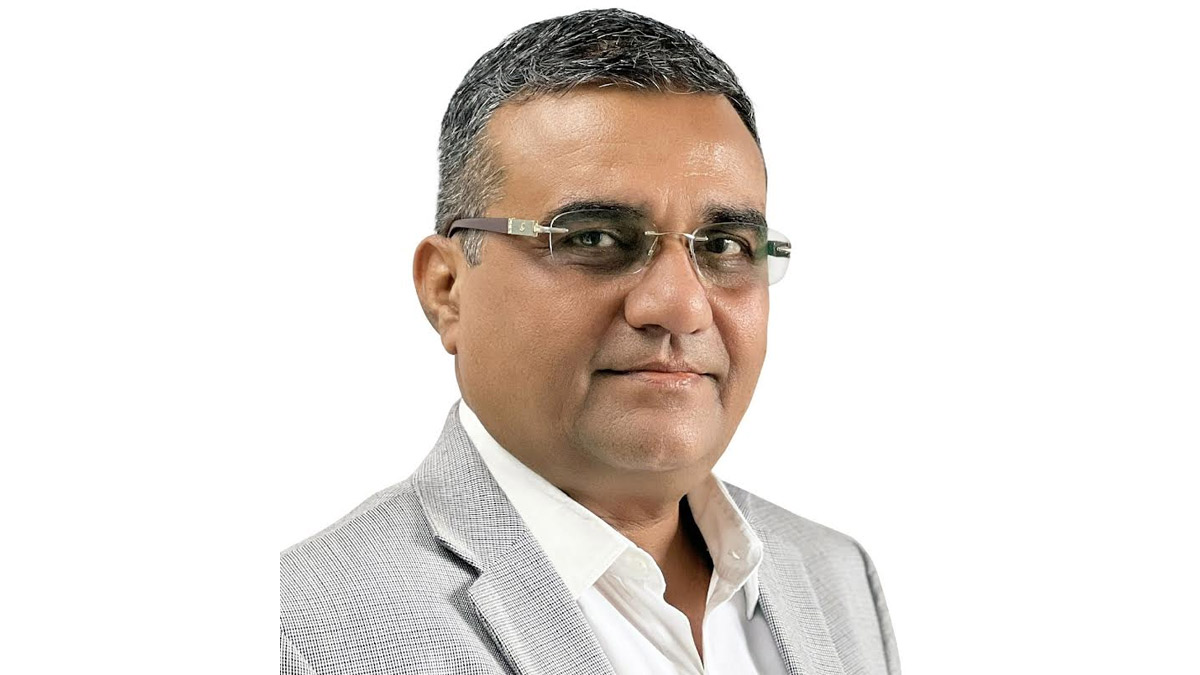
MUMBAI: A new chief, a fresh diagnosis and a sharper prescription for growth. Beacon Group has appointed Dr Rajesh Patel as its Group Chief Executive Officer, effective April 1, 2026, signalling a decisive push to scale its presence in the diagnostics and IVD space. Patel steps into the role with 36 years of experience across the healthcare and diagnostics industry, bringing a career shaped by leadership roles spanning sales, marketing, business development and operational strategy. His mandate is both expansive and precise: to steer the group’s overall strategic direction while tightening coordination across its three core entities Beacon Diagnostics, Vector Biotek and Biogeny Diagnostics.
In practical terms, that means driving cross-company synergies, accelerating market expansion and strengthening organisational capability areas increasingly critical as diagnostic players compete for scale in a fragmented yet rapidly evolving healthcare ecosystem. The group is positioning itself to capture unmet demand across chain laboratories, key accounts and standalone labs, segments that remain underserved despite growing diagnostic needs.
The appointment comes at a time when the In Vitro Diagnostics (IVD) sector in India is entering a more competitive and innovation-led phase, with companies focusing not just on product pipelines but also on service delivery, integration and customer-centric models. Beacon’s leadership appears to be betting that Patel’s execution-focused approach can help translate ambition into operational momentum.
Welcoming the appointment, Chairman Dr D K Joshi described Patel’s induction as a strategic move aligned with the group’s long-term vision, emphasising the role of leadership depth in navigating the next phase of growth.
For Beacon Group, the message is clear, in a sector where precision matters, leadership is the new differentiator—and this appointment is intended to set the tone for what comes next.






