MAM
Citizen Dentsu wins Indian Army account


MUMBAI: Citizen Dentsu, a division of Dentsu Communications, has won the Indian Army mandate. The account was won after multi agency pitch. Citizen Dentsu senior VP and head Rajendra Singh and his team will lead the business.
Commenting on the win, Singh said, “Here‘s a true example of working on a cause that one truly admires and respects. No soft stuff here. Apart from the pleasure of dealing with real gentlemen officers as clients, it‘s a matter of honour to contribute towards strengthening the security and defence of the country. The team is super excited.”
Citizen Dentsu‘s mandate is to create a holistic comprehensive communication package for the Indian Army. Their endeavour will be to project the Indian Army as a prestigious, aspirational and exciting career prospect for the youth in the country. Citizen Dentsu was chosen as a partner basis their expertise in creating relevant hard hitting campaigns with a differentiated creative solutions approach.

Dentsu India Group executive chairman Rohit Ohri said, “We‘ve set up Citizen Dentsu with a vision to help trigger positive social change through integrated communications. It‘s a matter of great pride for Citizen Dentsu to be appointed as communication partner to the Indian Army. Cutting edge technologies will underpin our integrated communication approach for the Indian Army campaign.”
Commenting on winning the account Dentsu Communications CEO Arijit Ray said, “This is the first big win for Citizen Dentsu in 2013. And a well deserved one for the team, since it involved 8 agencies. We are absolutely delighted that we have got the opportunity to work on an assignment as worthy as this. I am sure the team at Citizen Dentsu under Rajendra‘s leadership will work towards building on this and win many more such prestigious mandates.”







MAM
How beverage brands are rethinking marketing strategies for weather-led demand
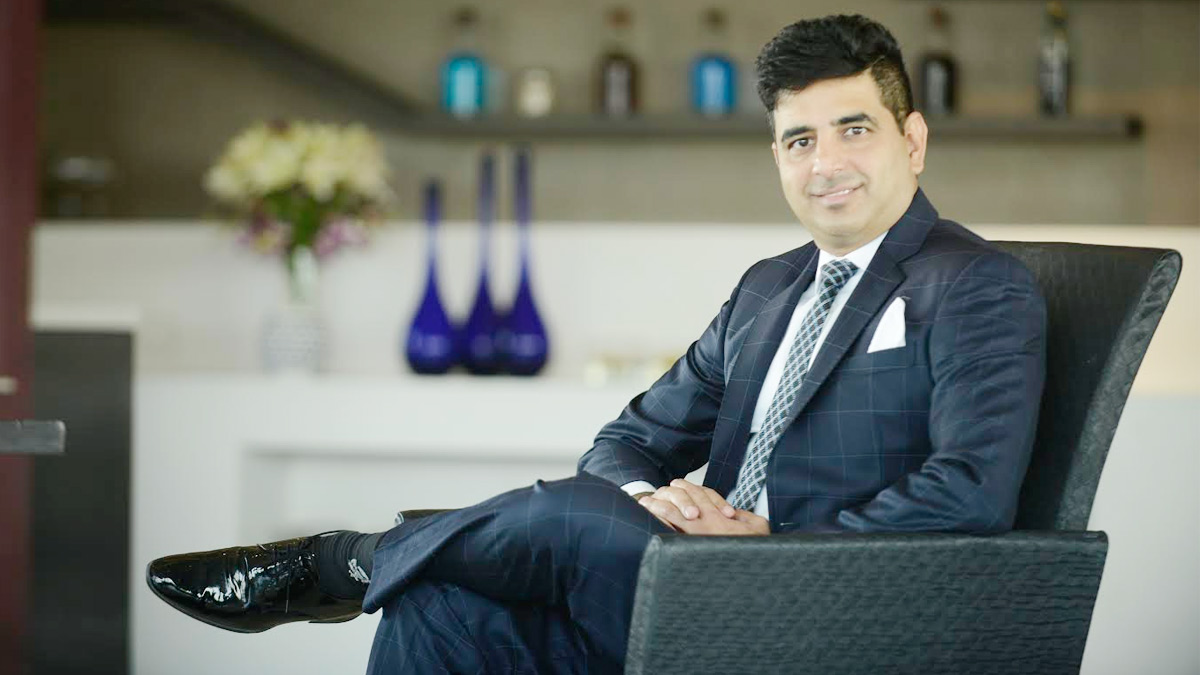
SLMG Beverages Private Limited joint managing director Paritosh Ladhani.
MUMBAI: As Sun climbs up the hemisphere, summer has clearly arrived in India. On 7th March 2026 Delhi registered a maximum temperature of 35.7 degrees Celsius which is the highest reading logged for the first week of March in the last 50 years. Climate Change has been prolonging summers by causing earlier spring warming, delayed autumn cooling, and more frequent, intense heatwaves that persist for much longer periods.
In an endeavor to stay ahead of the curve, Beverage Brands are shifting from fixed seasonal marketing tactics to weather responsive strategies backed by data-driven insights, flexible campaigns, and diversified portfolios to capitalize on unruly temperature spike. In 2025, India’s beverage market experienced a massive, heat-triggered surge with carbonated drinks and ice cream volumes spiking 20–25 per cent in the March quarter itself on the back of hottest February in 125 years.
Clearly campaign timelines are being advanced to reap the seasonal shift in line with the jumping mercury. In the Indian context where Cricket is nothing short of religion, big ticket tournaments like T20 World Cup, Indian Premier League, ICC Champions Trophy provide plethora of opportunities to calibrate marketing campaign designs and associated business strategies to associate refreshment with community viewing both outdoor and indoors. A new trend that has taken the world by storm is that of booking the theatres for bonhomie viewing. It has also opened avenues for joint marketing initiatives by the Multiplex and Beverage Brands.
Price disrupting small potions and value packs tend to drive significantly higher volumes owing to volumetric flexibility and affordability to the consumers. Ramping up of cold supply chains for transit and at point of sales (POS) are strategic business imperatives that again define success of beverage brands.
In the era of AI and Big Data it is easy to track and calibrate messaging based on daily or weekly weather changes. Geo-targeted digital advertisement campaigns are also being run during heatwaves to make the business and marketing imperative very contextual. These pre-emptive strategies fueled by real time data and technology immensely help beverage brands to adjust supplies to the areas that are likely to generate more demand.
Novelty brings premium to the FMCG Sector and Beverage Brands are no exception. Newer SKUs build up excitement in consumers besides imparting the scope of frequent revitalization of brand marketing campaigns. Ensuring continuum of supply chain across material suppliers, logistics providers, distributors/wholesalers, and retailers become a strategic business strategy imperative for beverage brands during peak season.
Carbonated drinks among other beverages including packaged mineral water sell like hotcakes in summers, a period where holiday season gives big impetus to sales volumes. Tying up with air carriers railways, amusement parks, malls, convention centers for inclusion in the onboard beverage deck also holds a big window of opportunity for brands.
Limited period diversification into special summer categories entailing juices and functional beverages to capture the broader hydration market is also a business cum marketing imperative that beverage brands eye on. This also brings to fore the responsible side of the brand placing the compass on wellness of consumers.
Seasons are cyclic, hence summers are inevitable. Further, due to anthropogenic climate change, summers surely have been staging prolonged appearance that keep bringing beverage brands on to their drawing boards frequently for strategizing business and marketing campaigns that are agile, refreshment-focused, visually dominant in retail, affordable, and optimally promoted through seasonal campaigns in above and below the line media.








