MAM
Changing the branding game

MUMBAI: Britain based brand consultancy Wolff Olins has released a report titled ‘Game Changers’ that talks about the five behaviours that are changing the future of the business.
Conducted across 500 people and 14 countries, the study examines today’s high-growth businesses and tries to understand what sets them apart. It also explores how some companies like Tata, Unilever, Hero, Adani, Ashok Leyland, Google, Skype, General Electronics, Microsoft and Tata Docomo are changing the way the game is played and thereby shaping the future of business.
The Game Changers report talk about how five laws of branding have been morphed to cater to the contemporary paradigm based on five new realities based on the consumer-brand relationship.

While according to the old methods of branding ‘the mission of branding is to defend a positioning’, the new law states that a brand needs to ‘define its purpose beyond profit.’ This new definition is based on the reality that there is a shift in attidues from businesses being ‘corporate citadels’ to becoming ‘corporate citizens’. The Edelman Good Purpose study conducted in 2010 also revealed that 86 per cent global citizens gave equal importance to the business interests of a company and it contribution to the society.
Similarly, the role of branding in persuasion is also changing. While earlier branding was meant to persuade people to buy the product/service, the present day TG has transformed into a creator from his role as a consumer. According to the Game Changers study, 25 per cent of leaders believe that the the company’s usefulness is more important than the growth factor while 40 per cent believe in offering consumers flexibility and personalization options in order to be more useful to them.
In other words, the thrust has shifted from making people want things to making things people want. Thus, from a persuasion tool, the focus is now on making the brand a useful platform where people can come and do things and interact.
The third guideline of branding that is now seen as obsolete is ‘the essence of branding Is consistency.’ The new reality is that brands are now changing from steady state to constant revolution. The study also states that the developing markets are more adventurous when it comes to experimentation. Thirty four per cent Asian market leaders are confident that experimenting with the brand will result in growth.
Take for example Google. The search engine’s homepage is in a state of flux as the ‘Google doodle’ changes from time to time to commemorate events, remember people and celebrate occasions. A similar thing is observed in case of retail as a tweak in the store design or the brand communication is sure to grab eyeballs and initiate conversations about the brand. The new law, thus, states, ‘use your brand to constantly innovate.’
The fourth postulate of branding that has evolved through time deals with ownership. The old concept of ownership of brand stated that branding is about asserting ownership. The new age branding mantra, however, reads, ‘share your brand and be boundayless.’
This shift can be attributed to the fact that brands are increasingly adopting the constellation model of organization from the corporate model. Be it Amazon or the Android technology, these companies are made of clusters of small to medium sized entrepreneurs who are also users and the combined efforts of these entities make the brand strong. The survey states that highly networked enterprises have 50 per cent more chances of gaining market share as opposed to their less networked competitors and also report higher profit margins.
Lastly, the idea of controlling the brand is becoming disregarded with speed. The evolved notion with regards to control of the brand is that creativity is more important than strategy. Fifty four per cent of CEOs said that creating new business models is a priority in their company’s innovation portfolios. This model is already followed by the likes of microblogging site Twitter and Lego. In case of the former, many features on the site have been developed by users. Hence, the new law with regards to controlling the brand is to use it to inspire new ways to be value creative.
In summary, the old concept of using a brand for positioning, persuasion, consistency, ownership and control is now being replaced by making it purposeful, useful, experimental, boundaryless and value-creative. In other words, many terms related to branding will see a sea change. For example has been has become could be, differentiation is being replaced by relevance, positioning has taken a back seat and the role a brand plays in the society has take center stage and cost is secondary and value is important.





MAM
Ameya Velankar steps down as Uber’s head of marketing for India & South Asia
Veteran marketer exits after more than seven years with the ride-hailing giant.
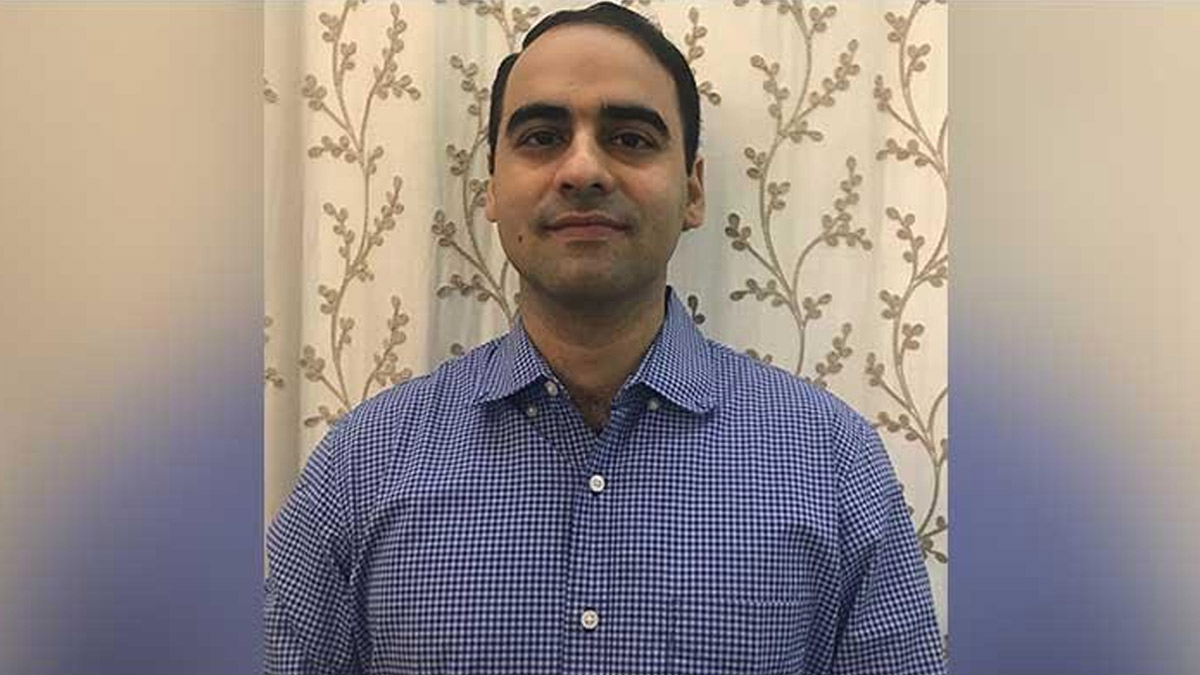
MUMBAI: After more than seven years of steering Uber through the bumpy roads of India’s mobility market, Ameya Velankar has decided to change lanes. Ameya Velankar has stepped down as Head of Marketing for India and South Asia, marking the end of a significant chapter at the ride-hailing company. He had been with Uber since 2019, taking on multiple roles in product and category marketing before rising to lead the marketing function for the region in 2021.
During his tenure, Velankar played a key role in strengthening Uber’s positioning in one of its most competitive and dynamic markets. He helped drive localised marketing strategies and scale adoption across key offerings such as Auto, Moto, Rentals and Intercity, tailoring global platforms to Indian consumer needs.
Prior to joining Uber, Velankar built his marketing expertise at leading consumer companies including SC Johnson and Marico, where he handled category and product leadership roles. His career began at RPG Enterprises.
Details of his next professional move have not been disclosed.
In a fast-evolving mobility landscape where brands constantly battle for attention, Ameya Velankar helped Uber stay relevant and resonant with millions of Indian users. As he moves on from the driver’s seat of marketing, the company will now look for fresh ideas to keep its wheels turning smoothly.






