MAM
Carter Murray Named CEO of Draftfcb Worldwide

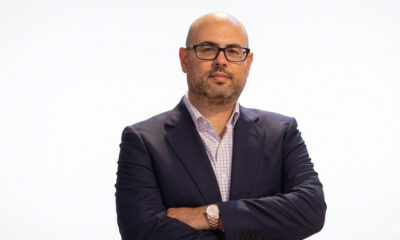
MUMBAI: The Interpublic Group (IPG) has named Carter Murray Draftfcb Worldwide CEO. He replaces Laurence Boschetto, who will remain with the agency through a transitional period and then serve as a Senior Advisor to IPG in a consulting capacity. Murray will be based out of New York.
Thirty eight year old Murray comes in from WPP’s Y&R, where he was president and CEO for North America and Y&R New York CEO. He has previously served as chief marketing officer and worldwide account director on Nestlé, as well as a member of the executive committee at Publicis Worldwide.
Murray began his career at Leo Burnett in Chicago and has held a number of posts at the agency, including stints in Germany and the United Kingdom. Howard Draft will continue in his role as executive chairman at Draftfcb.

IPG chairman and CEO Michael I Roth said, “We‘re very pleased to welcome Carter in this key role at an important time for Draftfcb. He understands consumer advertising and brands, has demonstrated the ability to motivate diverse teams and raise the quality of creative work, nurture client relationships and win global business. This combination of skills and experience in a dynamic new leader is what the agency needs in order to evolve its integrated model and drive growth.”
Roth added, “We thank Laurence for his contributions to our search for his successor and to the agency, including a consistent and high level of operational and financial delivery. We wish him well in his ongoing industry activity, particularly in the area of diversity and inclusion, where we will continue to work together.”
Murray said, “I am greatly looking forward to this opportunity. Draftfcb has outstanding people, clients and a commitment to putting together the best of brand advertising and accountable communications disciplines, such as digital, CRM and activation. That‘s a powerful promise we must make good on. When we do, the Draftfcb offer will be hard for clients to resist. Working with the strong leadership teams across the network and with Interpublic‘s continued support, I feel we can deliver on that vision and do something really special.”
Boschetto said, “Carter brings energy, a new perspective and range of talents that will take us to the next level. I‘ll do everything to help him step into the CEO role seamlessly and I know our senior teams will do so as well. I thank all of our nearly 9,000 people around the world for their support and I know the agency‘s best days are ahead. Moving onto the next chapter personally, in working to promote our industry and in particular to work for greater diversity among our ranks, is something to which I am very much looking forward.”






MAM
Ameya Velankar steps down as Uber’s head of marketing for India & South Asia
Veteran marketer exits after more than seven years with the ride-hailing giant.
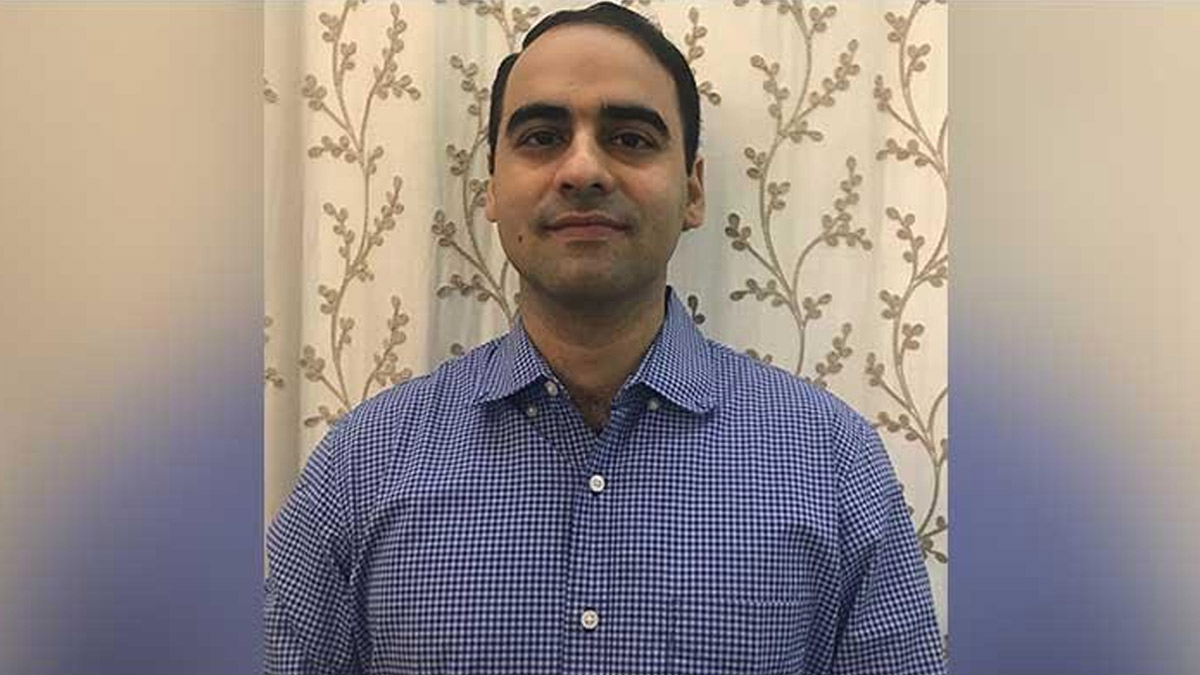
MUMBAI: After more than seven years of steering Uber through the bumpy roads of India’s mobility market, Ameya Velankar has decided to change lanes. Ameya Velankar has stepped down as Head of Marketing for India and South Asia, marking the end of a significant chapter at the ride-hailing company. He had been with Uber since 2019, taking on multiple roles in product and category marketing before rising to lead the marketing function for the region in 2021.
During his tenure, Velankar played a key role in strengthening Uber’s positioning in one of its most competitive and dynamic markets. He helped drive localised marketing strategies and scale adoption across key offerings such as Auto, Moto, Rentals and Intercity, tailoring global platforms to Indian consumer needs.
Prior to joining Uber, Velankar built his marketing expertise at leading consumer companies including SC Johnson and Marico, where he handled category and product leadership roles. His career began at RPG Enterprises.
Details of his next professional move have not been disclosed.
In a fast-evolving mobility landscape where brands constantly battle for attention, Ameya Velankar helped Uber stay relevant and resonant with millions of Indian users. As he moves on from the driver’s seat of marketing, the company will now look for fresh ideas to keep its wheels turning smoothly.






