MAM
Cars24 launches bold assurances
Auto-tech giant unveils lifetime warranty and 30-day returns in quirky campaign.

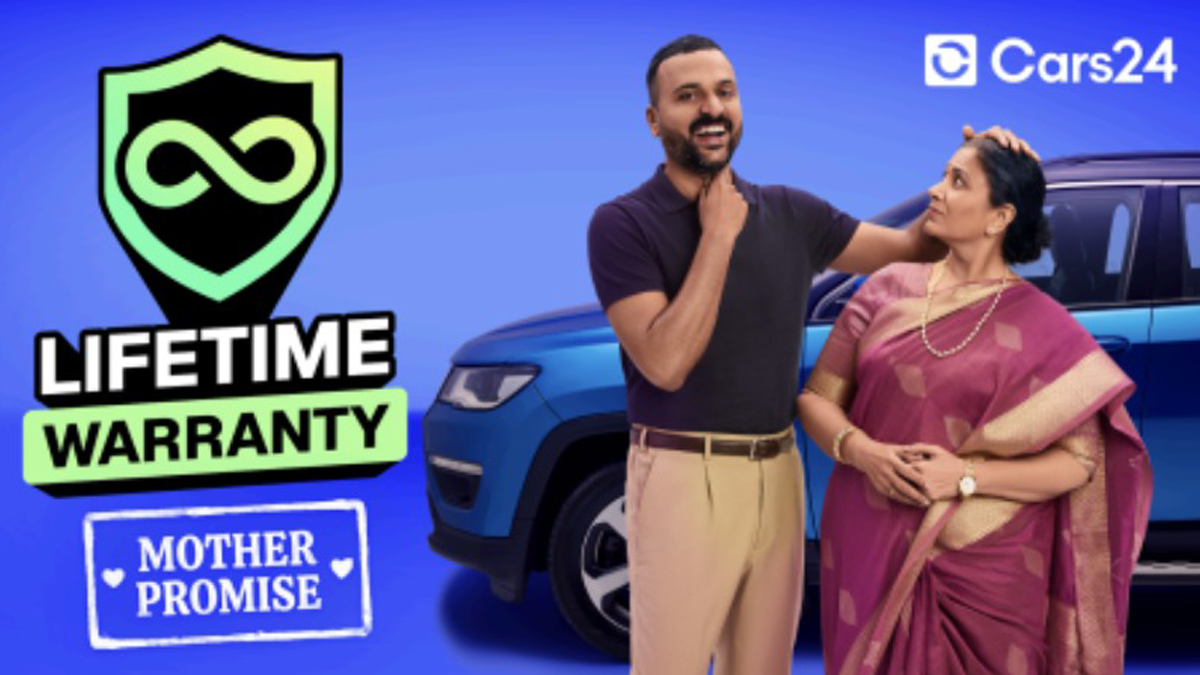
MUMBAI: Shifting gears from empty promises to ironclad policies, Cars24 is revving up the used-car scene with assurances that could make even a sceptical mother-in-law nod in approval. India’s leading auto-tech firm has unveiled a fresh brand campaign spotlighting two industry-first perks, a Lifetime Warranty for enduring peace of mind and a 30-Day Return Policy that lets buyers test-drive their decision without buyer’s remorse, a rarity in the pre-owned wheels world.
Conceptualised by the creative whizzes at Talented and directed with flair by Shivang Monga of First December Films, this marks the duo’s debut collaboration with Cars24. Ditching the usual symbolic fluff and emotional tugs, the ads put tangible guarantees front and centre, transforming trust from a fuzzy feeling to a firm handshake.
At the heart of the films is Cars24’s India CEO Himanshu Ratnoo, who steps into the spotlight to deliver “family promises” think Mother Promise, Mother-in-Law Promise, and Sister Promise, all underscoring the brand’s rock-solid confidence in its revamped systems. These light-hearted spots treat cars like cherished kin, plonking them in cosy living rooms for that soap-opera drama, as Monga quips, “Cars have always been a soft spot for Indian households, a source of pride and treated like a member of the family. So placing cars inside living rooms felt like the right way to get the wheels turning. The CEO himself taking these ‘family promises’ just made the situations more dramatic and relatable, like a soap opera with cars!”

Cars24 co-founder and CMO Gajendra Jangid explains the backstory: “We have spent the last few years working on one thing more than anything else: the quality of the cars we sell. In this business, you can’t compensate for a weak product. So we became far more disciplined about what we source, how we inspect, and how we prepare every car before it reaches someone’s driveway. A lot of cars don’t make it through our filters. We don’t sell a car that we would not buy for ourselves and that has been a conscious choice.” He adds that these bold moves reflect genuine self-assurance, with Ratnoo’s on-camera role signalling internal seriousness. “This brand film is coming after three years and it feels good to finally share this side of our journey. We are genuinely excited about where the product stands today and proud to put our name behind it.”
Talented creatives Sanket Audhi and Udit Joshi from chime in on the cultural twist, “Buying a car in India is rarely just a transaction. It’s surrounded by opinions, advice and, most importantly, promises. Everyone has one: family members, friends, neighbours, even people who’ve never owned a car. While trust in this category has traditionally been communicated emotionally, the real shift needed to happen at a product level. With the Lifetime Warranty and 30-Day Return Policy, Cars24 is backing confidence with something tangible.”
Catch the films in all their promise-packed glory on Youtube. In a market often riddled with dodgy deals, this campaign might just steer buyers towards smoother rides.






Brands
LINC Limited appoints Hitesh Singla as head of marketing
The writing instruments giant has hired Hitesh Singla as head of marketing, betting on his two decades of brand-building firepower to ink a bolder consumer story
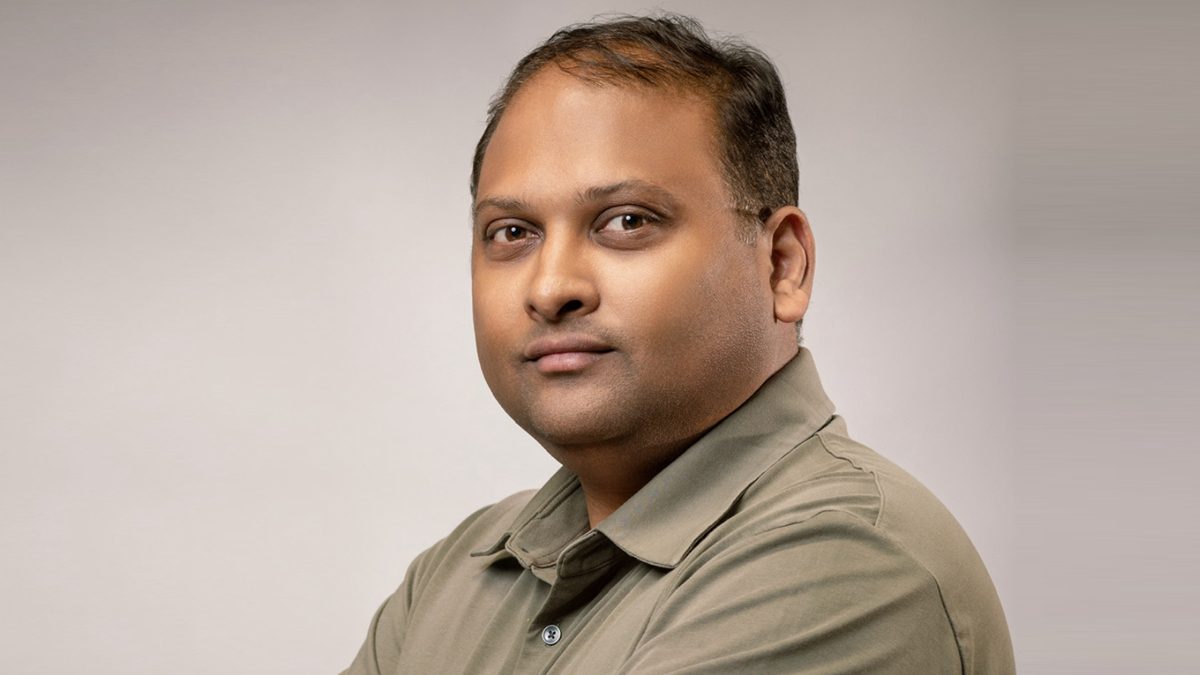
KOLKATA: LINC Limited, the Kolkata-based writing instruments manufacturer with a footprint spanning more than 50 countries, has appointed Hitesh Singla as its head of marketing, a hire that signals the company’s intent to fight harder for consumer attention in one of India’s most fiercely contested stationery categories.
Singla arrives with over two decades of marketing muscle behind him, having built, revived and scaled brands across consumer durables, personal care, healthcare, retail and houseware. His CV reads like a tour of Indian and global brand management: he introduced and grew Stabilo, UHU and Rapid in the Indian market, helped revive product categories for Revlon, and most recently served as head of marketing at KAI India, where he sharpened the brand’s presence in personal grooming and houseware.
Before KAI, Singla held leadership roles at Godrej & Boyce and the Avantha Group, among others, organisations where scale, complexity and consumer diversity are non-negotiable realities.
At LINC, he will own the company’s end-to-end marketing strategy: brand equity, integrated campaigns and consumer engagement, all calibrated to a market that is shifting fast. His approach blends data-driven insight with what he calls creative storytelling, precisely the kind of bilingual fluency that legacy brands need when nostalgia alone will no longer do the heavy lifting.
“LINC Limited holds a strong legacy in the writing instruments category,” said Singla, “and I look forward to building on this foundation to further strengthen its brand relevance in a rapidly evolving market. The focus will be on driving sharper consumer insights, innovation-led marketing, and creating deeper engagement across touchpoints.”
An alumnus of Punjab University with a master’s degree in international business, Singla is said to be as comfortable with cultures, languages and history as he is with a campaign brief, a disposition that may serve him well as LINC pushes deeper into global markets.
For a company that already sells pens across five continents, the real challenge now is making consumers care which pen they pick up. Singla’s job is to make sure it is a LINC.






