MAM
Carat India appoints Dipika Bhasin as executive vice president


MUMBAI: Dentsu International’s media agency Carat India has brought on Dipika Bhasin as executive vice president. In her new role, Dipika will lead the agency’s north and east offices, drive growth in these regions, and focus on developing and managing Carat's senior client relationship. She will report into Carat India CEO Anita Kotwani.
Armed with more than 20 years’ experience, Bhasin has expertise in working with diverse teams, functions, industries, and has worked on challenging business leadership roles to drive business growth. In her previous stint with PHD Worldwide, she held the position of senior vice president and was responsible for media management. She pivoted the digital media operations and their effectiveness for marketers in the media mix.
Bhasin has handled top brands like LG, Vivo, Royal Enfield, HP, SC Johnson, Perfetti, Maruti, Snapdeal, SAP, Adidas, Nissan and also various non-profit organisations. Additionally, she has also worked with Aircel and on brands that include consumer durables, FMCG, e-commerce and auto.

CEO Anita Kotwani said, “As we strengthen and reshape the Carat offering for the Indian market, we needed a leader who is well networked, connected and understands the nuances of the Northern markets. Dipika, with her expansive and stellar work done across brands and categories, was our ideal choice as she brings in an integrated experience of the new-age eco-system. Her strong connections with the brands and marketers will ensure that the growth path crafted for Carat gets delivered in this market.”
Bhasin added, “I would want to focus on expanding our footprint by strengthening seamless planning, digital transformation and innovation in the media space to help our clients grow. The commitment of the Carat team to deliver value for clients and partners are reckoned by the industry. It is a homecoming for me and I really look forward to strengthening the portfolio of our team offerings in collaboration with dentsu international.”





Brands
Kaspersky and KidZania want Indian children to fight hackers before they hit their teens
Kaspersky and KidZania open a cyber investigation centre in Mumbai to teach children how to outsmart hackers
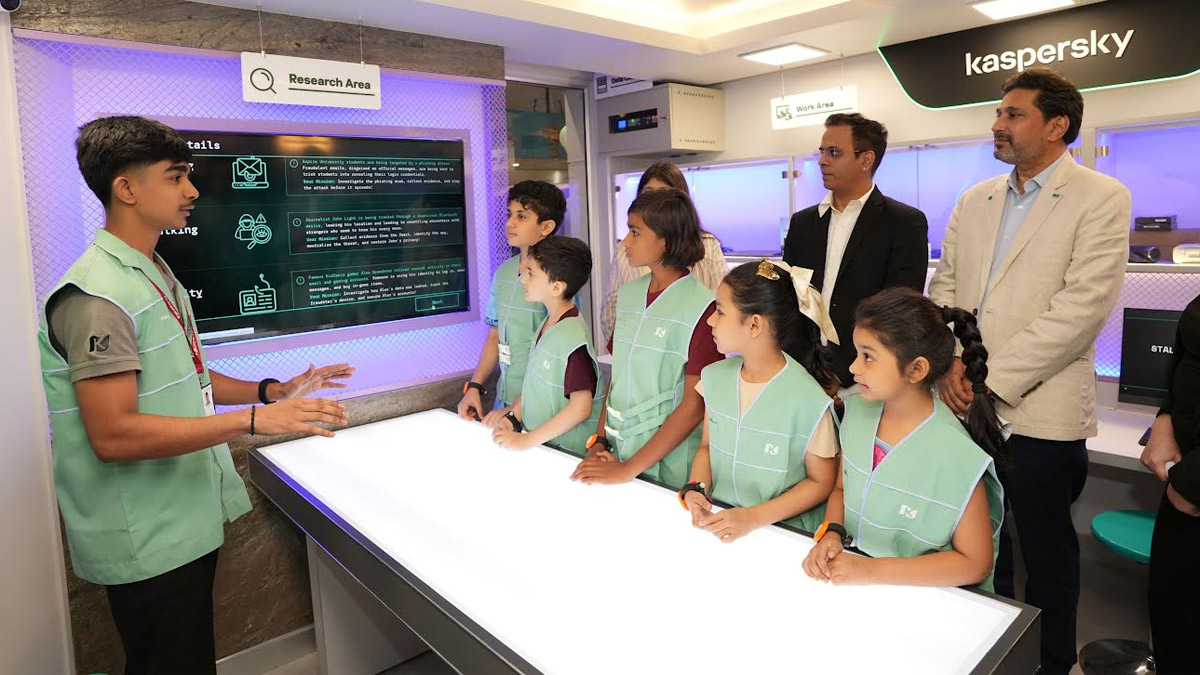
MUMBAI: India’s children are growing up online faster than anyone can protect them. Kaspersky, the global cybersecurity firm, is betting that the best way to fix that is to make six-year-olds feel like detectives.
The company has opened a Cyber Investigation Centre inside KidZania Mumbai at R City Mall, Ghatkopar, in what it is calling a first-of-its-kind cybersecurity role-play experience for children. Kids suit up in Kaspersky uniforms, sit down at dedicated workstations loaded with security software, and spend 20 minutes cracking simulated cases of phishing, identity theft and cyberbullying. Up to six children can play investigator at a time. Those who crack the case walk away with a personalised Kaspersky Cyber Investigator card — and a healthy suspicion of dodgy links.
The timing is not accidental. In India, 82.2 per cent of children have access to a mobile device by the age of 14. They use it to stream, game, chat and study. Most of them have never heard the word “phishing.”
“The earlier we equip children with the awareness and skills to navigate the digital world safely, the stronger our collective digital future becomes,” said Jaydeep Singh, general manager for India at Kaspersky. Tarandeep Singh Sekhon, chief business officer of KidZania India, put it more plainly: “Every parent today is thinking about how to prepare their child for a digital-first future.”
The partnership comes with commercial sweeteners. Visitors buying KidZania tickets get a complimentary two-month Kaspersky trial subscription. Annual pass holders get a full year’s subscription thrown in. Discount vouchers go out at the exit gates.
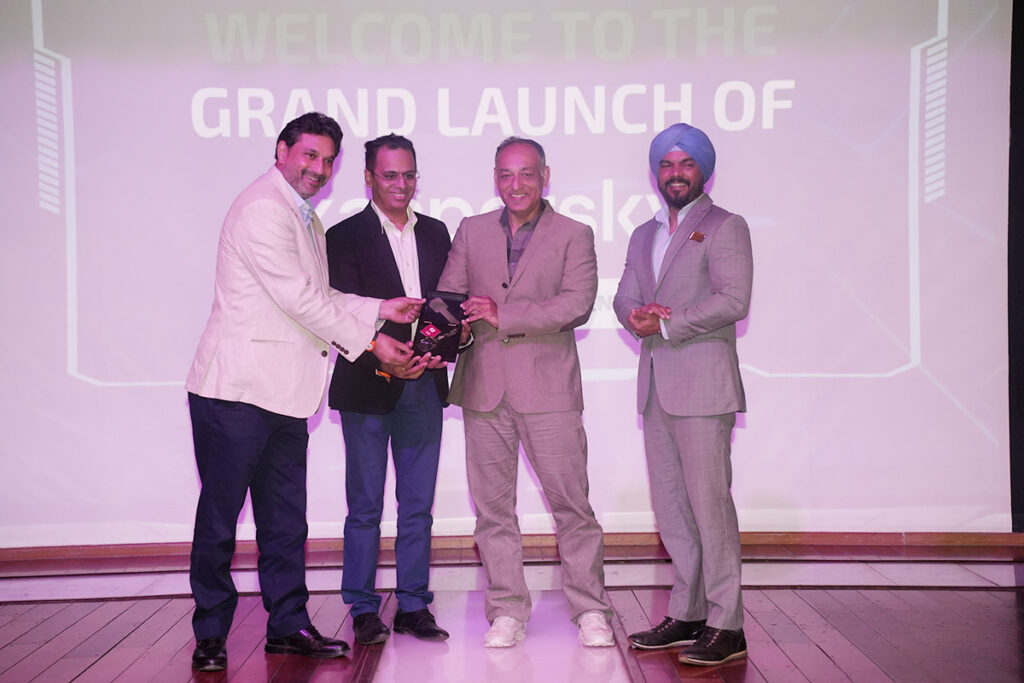
The launch ceremony leaned into KidZania’s theatrical DNA — a diya lighting, a dance performance, a key handover, a parade through the miniature city, and a ribbon-cutting at the new centre.
Cybercriminals, it turns out, do not discriminate by age. Kaspersky and KidZania are hoping that neither will the next generation of people trying to stop them.







