Ad Campaigns
C Com Digital cracks the autism code with Frat campaign in the US

MUMBAI: Mumbai-based C Com Digital has pulled off a stunner across the pond, crafting a high-impact digital campaign for Religen Inc, a US healthcare company, and its flagship diagnostic product, the Folate Receptor Antibody Test (Frat).
The goal?
Raise awareness around early autism diagnosis. The result? Over a million reached, 15,000+ tested, and a major shift in the conversation.

FRAT identifies folate receptor autoantibodies—linked to cerebral folate deficiency, a condition often associated with autism spectrum disorders. With over 52 per cent of tested individuals showing these markers, the stakes are high and the science, complex.
But C Com didn’t just throw facts at the feed. They brought the story to life—with animated explainers, viral social content, sharp infographics, and blogs aimed at both physicians and families. A single TikTok testimonial—a parent recounting their child’s transformation post-diagnosis—went ballistic, racking up 800K+ views and tens of thousands of shares.
More importantly, the campaign halved cost-per-click and drove a whopping 754 per cent spike in new users.
“This was more than just a campaign; it was a mission,” said C Com Digital founder/director Chandan Bagwe. “While we led the digital execution, the insights and support from FRAT, medical experts, and families made this a truly collaborative project. It demonstrated how storytelling and science can work hand-in-hand to create real awareness and action.”
Religen Inc founder Bhushan Sawant added, “C Com Digital played a key role in crafting the campaign’s messaging and outreach, and the results speak for themselves. Their understanding of healthcare communication helped us engage with families and professionals meaningfully.”
The campaign also stepped beyond the screen—partnering with autism support groups, engaging in platforms like the National Taca Conference, and driving participation in the #BlueBucketPledge. From online virality to offline solidarity, the message was loud and clear: early diagnosis changes everything.
A masterclass in humanising health tech, this Frat campaign proves that when done right, digital storytelling doesn’t just inform—it transforms.
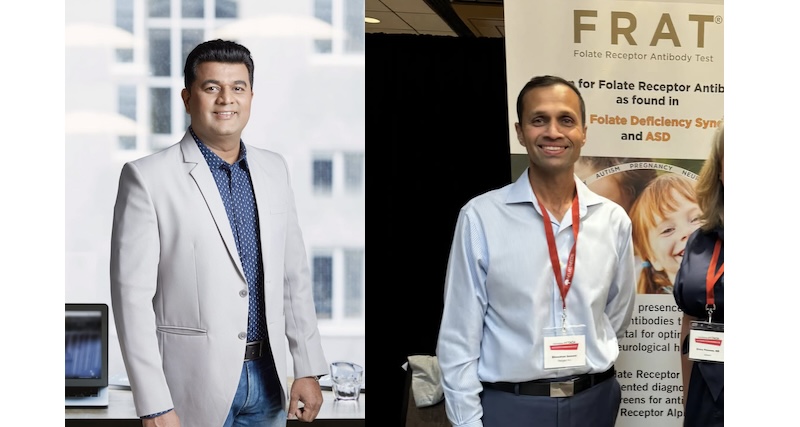
Pictured above Chandan Bagwe (Left) and Bhushan Sawant (Right)






NATIONAL: Amazon Ads has laid out a sharply tech-led vision for the advertising industry in 2026, arguing that artificial intelligence, streaming TV and creator partnerships will combine to turn brand building into a more precise, performance-driven business.
At the heart of the shift, the company says, is the fusion of AI with Amazon’s vast trove of shopping, browsing and streaming signals, allowing advertisers to move beyond blunt reach metrics to campaigns designed around real customer behaviour.
“The future of advertising is not about reaching more people, but the right people with messages that resonate,” said Amazon Ads India head and vice president Girish Prabhu. “By combining AI with deep customer insights, we help brands move from broadcasting campaigns to having meaningful conversations wherever audiences spend their time.”
One of the biggest changes, according to Amazon Ads, will be the collapse of the wall between media planning and creative development. Retail media, powered by first-party data, is increasingly shaping everything from brand discovery to final purchase, pushing marketers to design campaigns around audience insight rather than internal instinct.
AI is also moving from a support tool to a creative engine. Agentic AI, which automates and accelerates production, is expected to make high-quality creative accessible even to small businesses, compressing weeks of work into hours and giving challengers the ability to compete with larger brands on speed and scale.
Behind the scenes, AI-driven analytics will take on a bigger role in campaign optimisation, identifying patterns, spotting opportunities and recommending actions that would previously have required teams of analysts.
Streaming TV is another big battleground. With India’s video streaming audience now above 600 million and connected TV users at 129.2 million in 2025, advertisers are set to treat streaming not just as a branding channel but as a performance engine, measured increasingly by sales, sign-ups and bookings rather than just reach.
Finally, Amazon Ads sees creators and contextual advertising reshaping how brands tell stories. Creators will act less like influencers and more like long-term partners, while scene-aware ads on streaming platforms will allow brands to insert hyper-relevant offers into the flow of what viewers are watching.
Taken together, Amazon Ads argues, these shifts mark a move towards advertising that is both more human and more measurable, where AI handles the complexity, and creativity does the persuading.






