MAM
Burger King revamps logo for the first time in 20 years

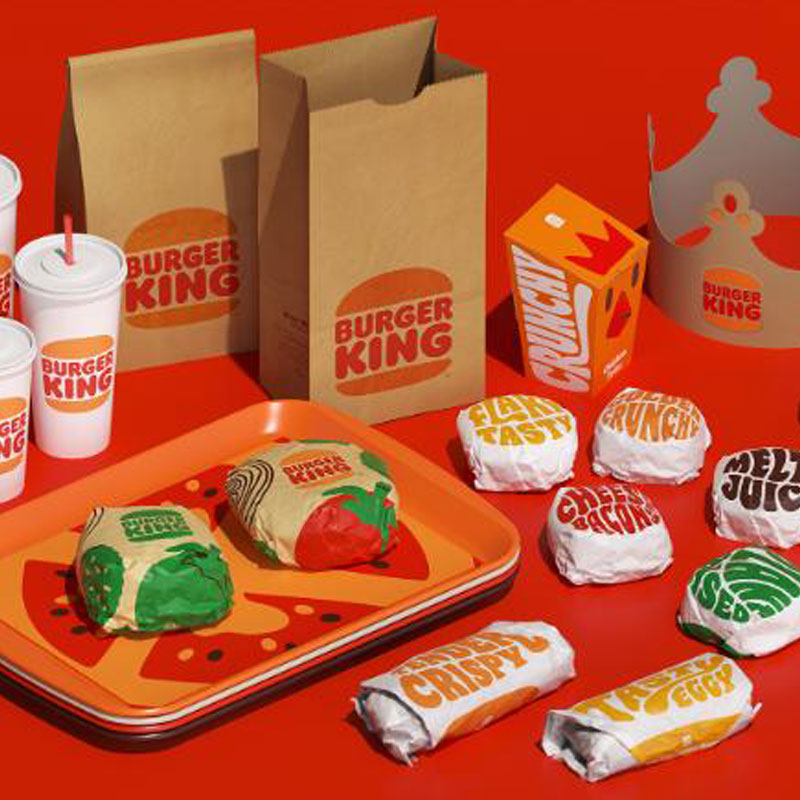
NEW DELHI: Global fast-food giant Burger King has unveiled a revamped brand identity with refreshed logo designs reflecting its removal of conservatives. The redesign is the first in over 20 years.
Restaurant Brands International (which owns Burger King) CMO Fernando Machado said, “We've been doing a lot in terms of food quality and experience. We felt that putting a wrap around all that with an upgrade of our visual identity would help signal to our consumers that this is a brand that's evolving.”
The new logo includes an internally developed font called ‘flames’ with rounded edges in motif shades of brown, red and green. The retro-influenced identity is reflective of the brands “rounded, bold and yummy” food offerings, which will no longer have preservatives and colourings. The change will soon be visible on food packaging, employee uniforms, and soon-to-be remodelled restaurants. The fast food chain will also offer healthier grub options.

In September, Burger King introduced new restaurant designs fit for the Coronavirus era with triple drive-thrus, burger pick-up lockers and takeout counters. The designs will be tweaked to highlight the revamped visual identity. It will take some time for the rebranding to cover all its outlets across the globe.



MAM
Beacon Group appoints Dr Rajesh Patel as Group CEO
36-year healthcare veteran to lead Beacon Diagnostics, Vector Biotek, Biogeny.
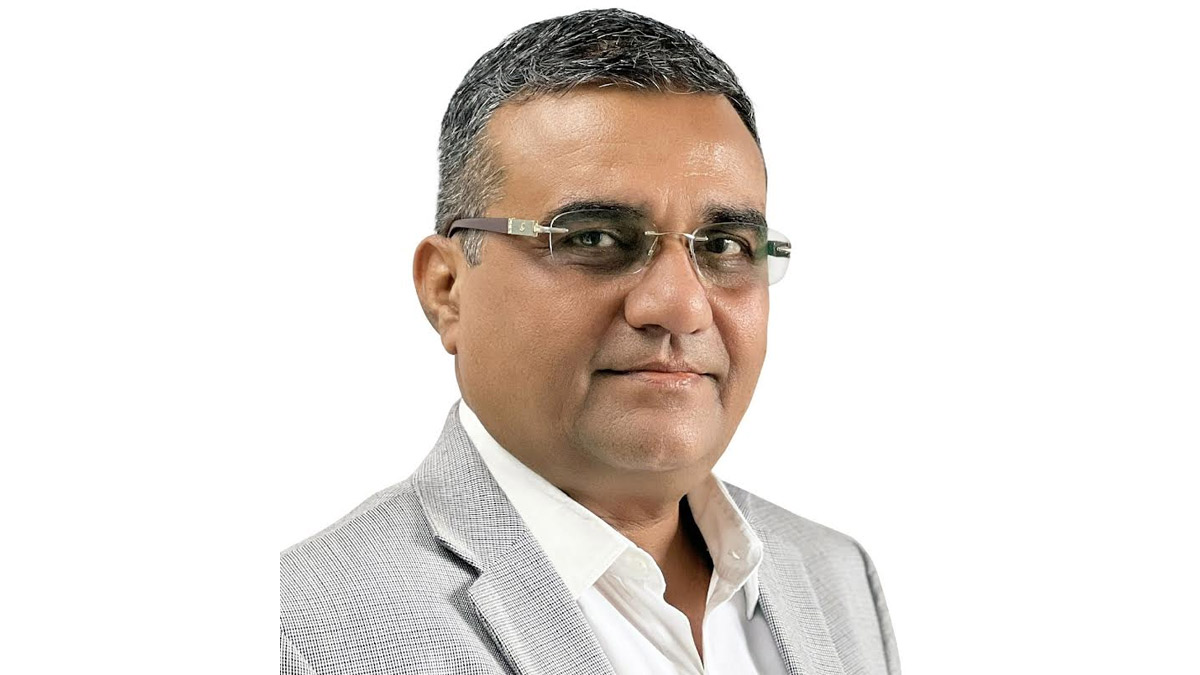
MUMBAI: A new chief, a fresh diagnosis and a sharper prescription for growth. Beacon Group has appointed Dr Rajesh Patel as its Group Chief Executive Officer, effective April 1, 2026, signalling a decisive push to scale its presence in the diagnostics and IVD space. Patel steps into the role with 36 years of experience across the healthcare and diagnostics industry, bringing a career shaped by leadership roles spanning sales, marketing, business development and operational strategy. His mandate is both expansive and precise: to steer the group’s overall strategic direction while tightening coordination across its three core entities Beacon Diagnostics, Vector Biotek and Biogeny Diagnostics.
In practical terms, that means driving cross-company synergies, accelerating market expansion and strengthening organisational capability areas increasingly critical as diagnostic players compete for scale in a fragmented yet rapidly evolving healthcare ecosystem. The group is positioning itself to capture unmet demand across chain laboratories, key accounts and standalone labs, segments that remain underserved despite growing diagnostic needs.
The appointment comes at a time when the In Vitro Diagnostics (IVD) sector in India is entering a more competitive and innovation-led phase, with companies focusing not just on product pipelines but also on service delivery, integration and customer-centric models. Beacon’s leadership appears to be betting that Patel’s execution-focused approach can help translate ambition into operational momentum.
Welcoming the appointment, Chairman Dr D K Joshi described Patel’s induction as a strategic move aligned with the group’s long-term vision, emphasising the role of leadership depth in navigating the next phase of growth.
For Beacon Group, the message is clear, in a sector where precision matters, leadership is the new differentiator—and this appointment is intended to set the tone for what comes next.






