AD Agencies
Brands take centre stage at Mipcom Cannes 2025


PARIS: Brand money is flooding into television. At Mipcom Cannes this month, the world’s largest TV market is rolling out the red carpet for corporate storytellers with the first international edition of BrandStorytelling, a summit that has spent a decade building its reputation at Sundance.
The two half-day event on 13 and 14 October brings together an unlikely crowd: global brands like Ancestry and Indeed, creative agencies including Dentsu and McCann, and heavyweight studios such as Banijay, Fremantle and BBC StoryWorks. Their mission is to turn corporate cash into compelling content—and to do deals that make it happen.
Rick Parkhill, the producer and media entrepreneur who founded BrandStorytelling, reckons the sector has come of age. “Brands are increasingly behind some of the biggest stories on our screens globally,” he says. The event’s expansion from Park City to the French Riviera suggests he’s onto something.

Among the speakers are Doug Scott, founder of Unxnown and an alumnus of Endeavour and Ogilvy, and Kim Miller Olko, global chief marketing officer at Toys”R”Us and president of its in-house studio. Representatives from over 20 organisations will take the stage, from the Branded Content Marketing Association to entertainment giants like UTA.
Mipcom Cannes director Lucy Smith says the “overwhelming response” from the industry confirmed the appetite for a dedicated brand-content forum. The summit promises to unlock new funding streams and co-production opportunities at a time when traditional television budgets are under pressure and brands are hunting for more sophisticated ways to reach audiences.
The event, sponsored by Fell + Co., Storybones Media and IPG Mediabrands Entertainment is part of Mipcom’s broader embrace of the creator economy. Last year’s market drew over 10,500 delegates from more than 100 countries—a captive audience for anyone peddling the promise of brand-funded programming.






AD Agencies
Microsoft shifts global media account from Dentsu to Publicis Groupe: Reports
Closed review ends decade-long tie-up; Xbox remit may remain with Dentsu
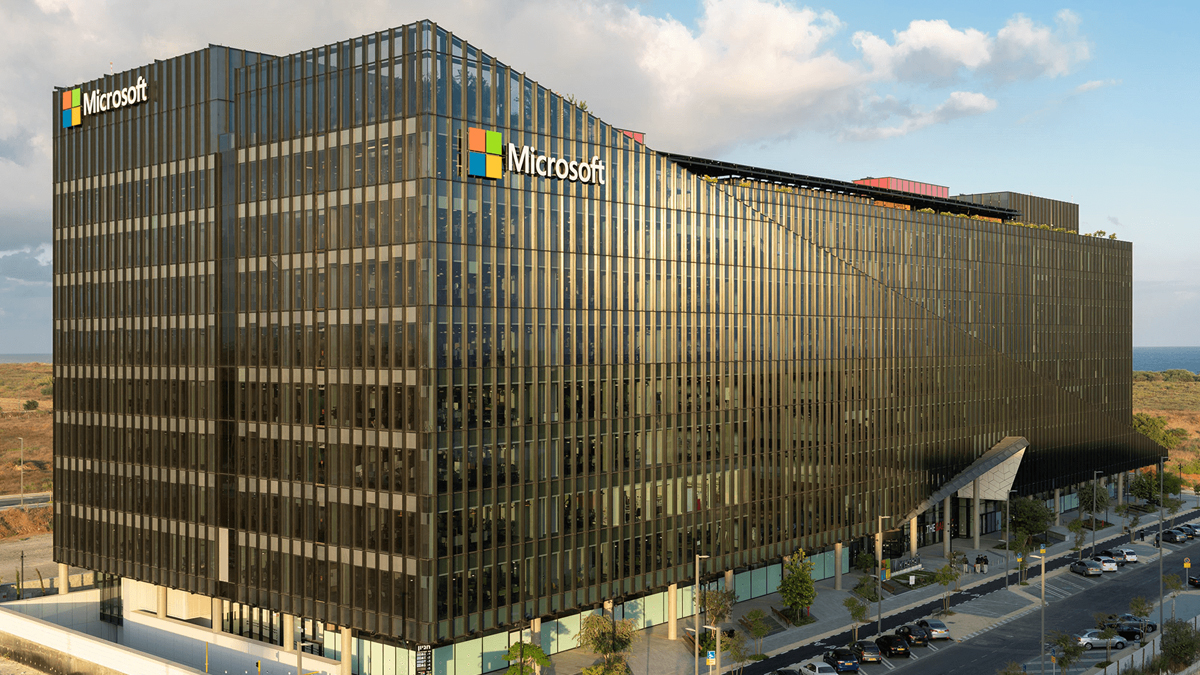
MUMBAI: Microsoft has reassigned its global media planning and buying business to Publicis Groupe, according to media reports, ending Dentsu’s long-standing stewardship of one of the advertising industry’s biggest accounts.
The move follows a closed review and marks a notable shake-up in the global media landscape. Dentsu, which managed the account through Carat, had held the mandate since 2014 and successfully defended it in a 2018 review.
While the broader business is shifting, Dentsu is expected to retain media responsibilities for Xbox, according to media reports, though the exact contours of that arrangement remain unclear. None of the parties involved have publicly outlined the transition timeline or the full structure of the handover.
The scale of the account underscores the significance of the change. Estimates from COMvergence, cited by Ad Age, peg Microsoft’s global media spend at roughly $700 million last year.
For Publicis Groupe, the win deepens an already expanding relationship with the tech giant. Earlier this year, Microsoft Advertising partnered with Publicis Media Exchange and Epsilon to integrate Epsilon’s data into its platform, aiming to sharpen targeting across search, native and display formats.
The decision reflects a broader industry shift, as large advertisers increasingly favour agency partners with strong first-party data capabilities, AI integration and platform-led solutions. Publicis Groupe has been leaning into this model, positioning its data assets and technology stack as a central differentiator.
For Dentsu, the loss is significant. Media remains a core pillar of its global business, and the development comes close on the heels of leadership changes, including the appointment of Takeshi Sano as global chief executive officer.
The shift also carries a touch of irony. Microsoft and Dentsu have worked closely beyond the client-agency relationship, including collaborations around AI tools such as Copilot to support media and creative workflows.
As the dust settles, the message is clear: in today’s data-driven, AI-powered media world, relationships may be long, but they are rarely permanent.






