MAM
Bobby Kuramdas joins Prime Developments as AVP to steer sales with service-first flair

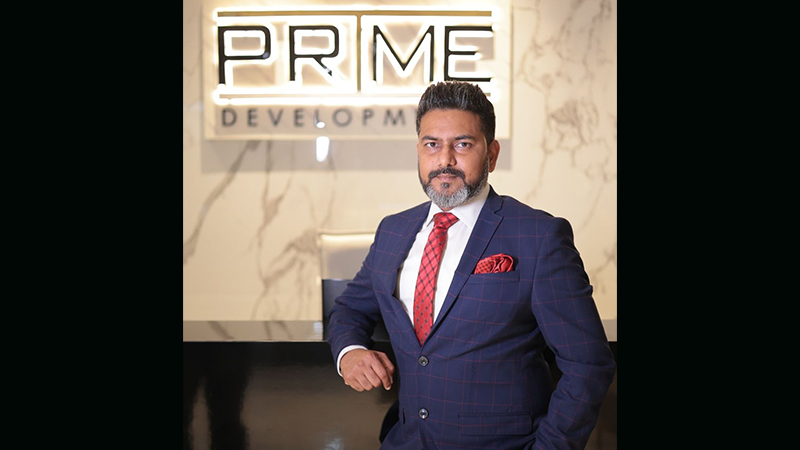
MUMBAI: Prime Developments has brought a new player to the frontlines of its sales and strategy game. Bobby Kuramdas, a seasoned hand in both real estate and service-led industries, has been named assistant vice president, sales & strategy, at the Delhi-NCR based real estate firm.
Kuramdas enters the role with nearly two decades of experience, having cut his teeth at high-profile brands like Kingfisher Airlines and Krisumi Corporation. Known for marrying hospitality with housing, Kuramdas has built a reputation for trust-driven sales, team leadership, and customer-centric thinking.
“It’s a privilege to join an organisation that places such high value on design, detail, and the customer experience. Throughout my career, I’ve believed that great sales outcomes are the result of authentic service and a culture of trust—values that are clearly embedded here. My focus will be to build on these foundations and contribute meaningfully to the brand’s journey of creating distinctive spaces that reflect both aspiration and responsibility. I look forward to supporting the team in delivering on the brand’s promise and enhancing its standing in the real estate landscape”, Kuramdas said.

From building strong partnerships to refining the sales funnel, Kuramdas will play a pivotal role in shaping the brand’s next growth curve. His appointment aligns with Prime’s ambition to redefine what homebuyers in Delhi NCR can expect—beyond luxury, towards memorable ownership experiences.
“We are delighted to welcome Bobby to our leadership team. His deep understanding of hospitality-driven real estate and commitment to elevating customer experience make him a valuable asset to our organization. As we move into the next chapter of our growth, his presence will strengthen our ability to deliver homes that not only meet but exceed expectations”, said Prime Developments founder & director Raghav Malhotra.
Kuramdas’ appointment signals Prime’s continued belief in design-led thinking and service-oriented growth. As the company charts new ground, it appears set on delivering more than just homes—it’s preparing buyers to, as the brand puts it, ‘Expect More’.

MAM
GUEST COLUMN: How data and adtech are driving OOH growth in India
Data and technology are reshaping OOH and boosting advertiser confidence.
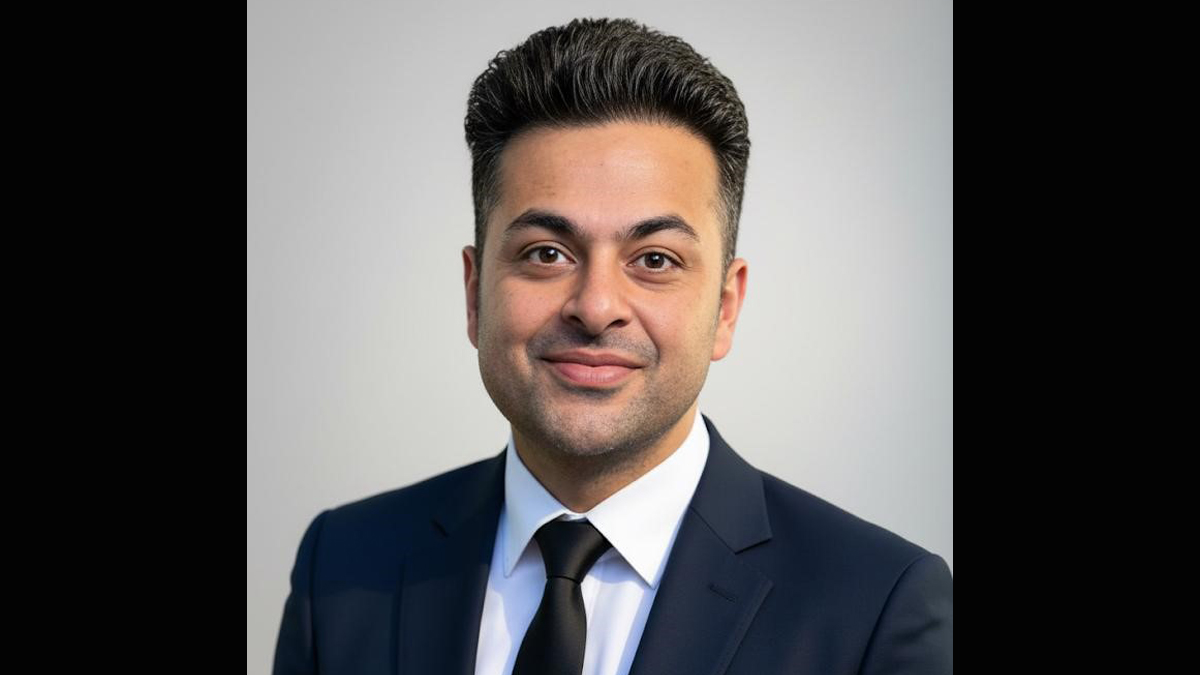
MUMBAI: Out-of-Home (OOH) advertising is evolving from a traditional, location-driven medium into a data-informed channel that blends physical presence with digital intelligence. For Nipun Arora, co-founder of Osmo, this transformation is redefining how advertisers plan, execute, and measure campaigns in India. In this piece, Arora explores how traffic, mobility, and AI-powered data are enhancing site and audience insights, why DOOH is accelerating precision planning, and how authenticity, creativity, and repeat exposure are driving renewed advertiser confidence in OOH.
For years, Out-of-Home (OOH) advertising operated with minimal reliance on data. Site selection was largely driven by visibility, location, and a planner’s understanding of traffic patterns.
That is now changing rapidly.
The first shift came with traffic data, offering basic estimates of vehicular movement. This evolved into mobility data powered by GPS signals, enabling deeper insights into audience movement and behavior. Point-of-interest data further refined this by helping advertisers understand who is likely to be present around a location.
Today, artificial intelligence and computer vision are unlocking an entirely new layer of site and audience intelligence. Together, these data streams are transforming OOH from a real estate-led medium into a data-backed one.
The rise of Digital Out-of-Home (DOOH) is accelerating this shift. Campaigns can now be planned, scheduled, and optimized with increasing precision bringing OOH closer to an adtech model. That said, as a physical medium, OOH still operates within real-world constraints, making this transition gradual rather than absolute.
At the same time, advertisers are returning to OOH with renewed interest.
One of the biggest drivers is authenticity. Unlike digital platforms, OOH offers real-world visibility free from bots, fraudulent impressions, or ad blockers. What you see is what exists.
There’s also growing digital fatigue. Consumers are overwhelmed by constant online advertising, often choosing to skip or ignore it. OOH, by contrast, engages audiences naturally within their environment, without interruption.
Mobility further strengthens its impact. As people move through cities daily, OOH benefits from repeated exposure building recall over time in a way few channels can match.
Add to this the power of creativity. Large formats and contextual executions don’t just capture attention, they often extend beyond the physical space, finding life on social media.
Finally, the increasing availability of data at the planning stage is boosting advertiser confidence. Better insights mean better decisions and more accountability.
As cities grow and movement increases, OOH is uniquely positioned at the intersection of physical presence and data intelligence. Its evolution from billboards to big data isn’t just a technological shift, it’s a redefinition of the medium itself.
Note: The views expressed in this article are solely the author’s and do not necessarily reflect our own.








