MAM
Birlasoft appoints Manjunath Kygonahally as CEO for ROW region

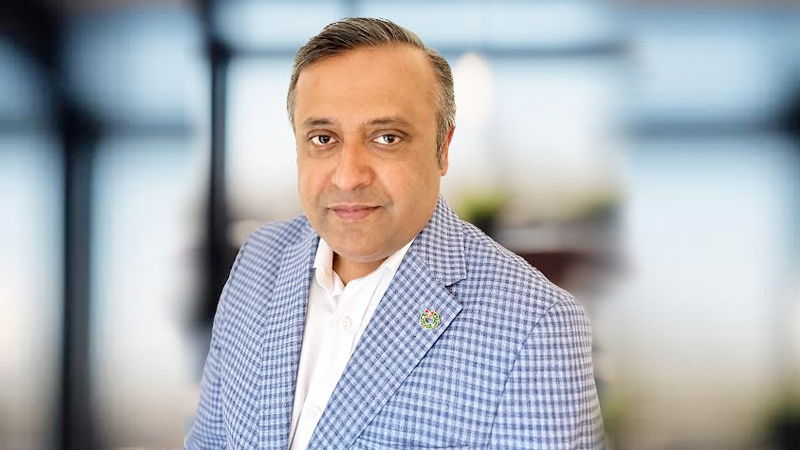
Mumbai: Birlasoft Ltd, part of the Rs 2.9 billion diversified C.K. Birla Group, announced the appointment of Manjunath Kygonahally (Manju) as chief executive officer (CEO) for Rest of the World (ROW) region, effective 2 January 2024. He will be based in the UK.
Manju would be responsible for all business and strategic growth initiatives in the ROW region, comprising all regions outside of the Americas. Manju is a seasoned services industry professional with diversified industry expertise spanning market strategy, business development, service delivery, and operations. With a strong foundation in P&L and client relationship management, Manju has adeptly built high performing teams, demonstrating a proven track record across the United States, United Kingdom & Ireland, and Europe.
Commenting on Manju’s appointment Birlasoft CEO and managing director Angan Guha said, “On behalf of the board of directors and the entire Birlasoft family, I extend a warm welcome to Manju. He possesses an exceptional leadership record, a unique knack for fostering lasting client relationships, and has successfully guided large-scale digital transformation programs. We are on a positive growth trajectory and well-positioned to continue building on our strong momentum. I am certain that Manju’s addition to our leadership team will further reinforce Birlasoft’s commitment to be bold, agile and ambitious and drive our next phase of growth.”

In his previous role, Manju was leading the communications, media & entertainment (CMT) business for Cognizant’s Global Growth Markets based out of London. Over his twenty-five-year tenure, he held multiple leadership positions, where he conceptualised and spearheaded numerous strategic programs across various business units.




Brands
Boeing appoints Barun as head of FP&A for global engineering function
Seasoned finance leader to steer budgets and strategy across global centres
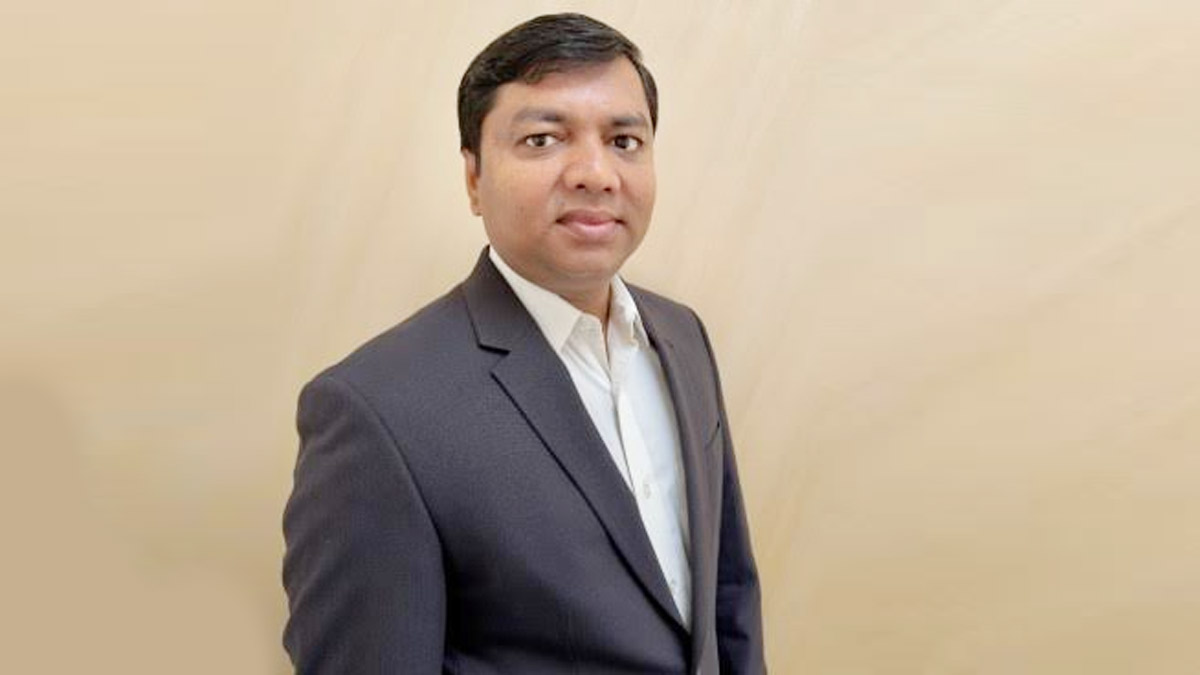
BENGALURU: Boeing’s finance cockpit has a new pilot, and he is no stranger to turbulence or transformation. Boeing has appointed Barun as head of FP&A for global engineering, placing him at the centre of financial strategy for its worldwide engineering and technology operations.
Based in Bengaluru, Barun steps into a role that is as expansive as it is critical. He will serve as the primary finance lead for Boeing’s Engineering and Technology Centers globally, working closely with executive leadership to shape financial decisions, manage complex budgets, and design scalable finance processes that support the company’s growing engineering footprint.
In a note announcing his move Barun said, “I’m excited to share that I’ve joined Boeing Global Engineering. This opportunity is incredibly meaningful to me not just from a professional standpoint, but also for what Boeing represents globally.” He added that he looks forward to contributing to an organisation that continues to shape the future of aerospace and innovation.
Barun’s mandate spans strategic financial leadership, operational oversight, and stakeholder engagement. From directing large-scale budgets and schedules to influencing long-term organisational goals, the role blends financial discipline with business foresight. He will also lead cross-functional teams and partner with finance colleagues worldwide to support engineering programmes across geographies, including India.
The appointment caps a long stint at Juniper Networks, where Barun spent over a decade, most recently as finance senior manager. There, he led FP&A for global product business units and G&A functions, driving budgeting, forecasting, and long-range planning. He also played a key role in enterprise-wide transformation, including spearheading an Oracle to SAP ERP migration and building advanced analytics capabilities using tools such as Tableau and SAP Analytics Cloud.
His earlier career includes finance leadership roles at Sony India Software Centre, Cognizant Technology Solutions, and Mphasis, where he focused on financial planning, governance frameworks, and operational efficiency across global delivery centres.
A chartered accountant from the Institute of Chartered Accountants of India, Barun brings nearly two decades of experience across financial planning, digital transformation, and analytics-led decision making.
His appointment comes at a time when global engineering operations are becoming increasingly complex and distributed, requiring sharper financial oversight and agile planning. With Barun at the helm of FP&A for engineering, Boeing appears to be tightening its financial playbook as it looks to scale innovation with discipline.






