MAM
Bewakoof founder Prabhkiran Singh steps down after 14 years
CEO who built youth fashion brand from Mumbai room in 2011 to Rs 100 crore plus revenue exits end of March 2026.

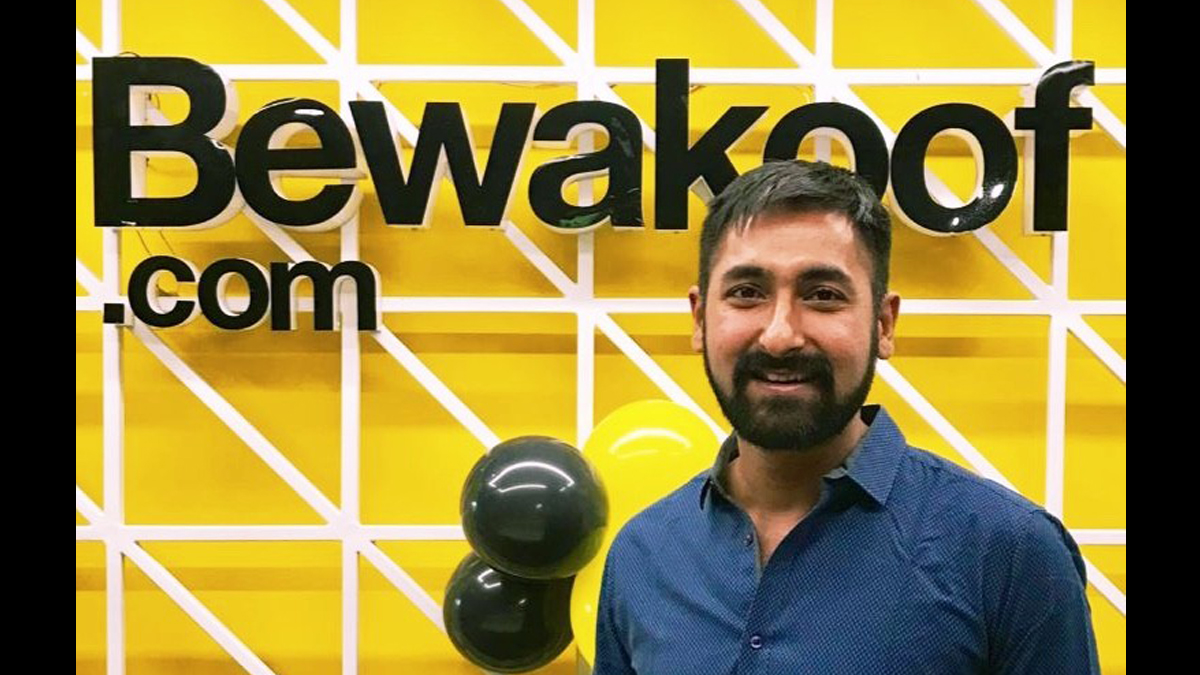
MUMBAI: Bewakoof’s original designer is hanging up his entrepreneurial hoodie because after 14 years of stitching a brand from scratch, even the boldest founders need a well-earned breather. Prabhkiran Singh, co-founder and CEO of direct-to-consumer fashion label Bewakoof, announced on 24 February 2026 via LinkedIn that he will step down by the end of March to focus on health, family, and personal goals. He will stay on through the transition to ensure a smooth handover.
Singh launched the brand in 2011 at age 21 in a small Mumbai room alongside a fellow engineer, with no prior business experience, no venture capital, and a youth-focused apparel idea that he admits looked “almost foolish” at the time. Operating on shoestring resources often handling deliveries and customer queries themselves, the duo grew Bewakoof into one of India’s early breakout D2C fashion players. The company now ships over 20,000 products daily, crossed Rs 100 crore in revenue, and commands a social media community exceeding 6 million followers.
“Bewakoof has been my baby since I was 21 years old,” Singh wrote. “Bewakoof raised me while I was raising it.” He credited the journey with teaching him resilience, leadership, and the grit to push through tough stretches.

The brand, now backed by TMRW (a digital-first venture under Aditya Birla Group), has a strengthened leadership team in place. Singh called it his “firstborn” and said the “14-year-old ‘child’ we raised is now all grown up and ready to soar on its own.” He plans to cheer from the sidelines and share untold stories from the company’s early days in coming weeks.
His exit arrives as India’s D2C space enters a consolidation phase, with legacy conglomerates snapping up digital brands and founders after a decade of high-octane growth increasingly reassessing long-term roles. For a label built on bold prints and youthful energy, Singh’s departure isn’t an end, it’s the quiet close of one chapter so the next can print even brighter.







Brands
Emami names Dhruv Aggarwal as chief growth officer
Former Bain partner steps in as FMCG firm sharpens growth playbook
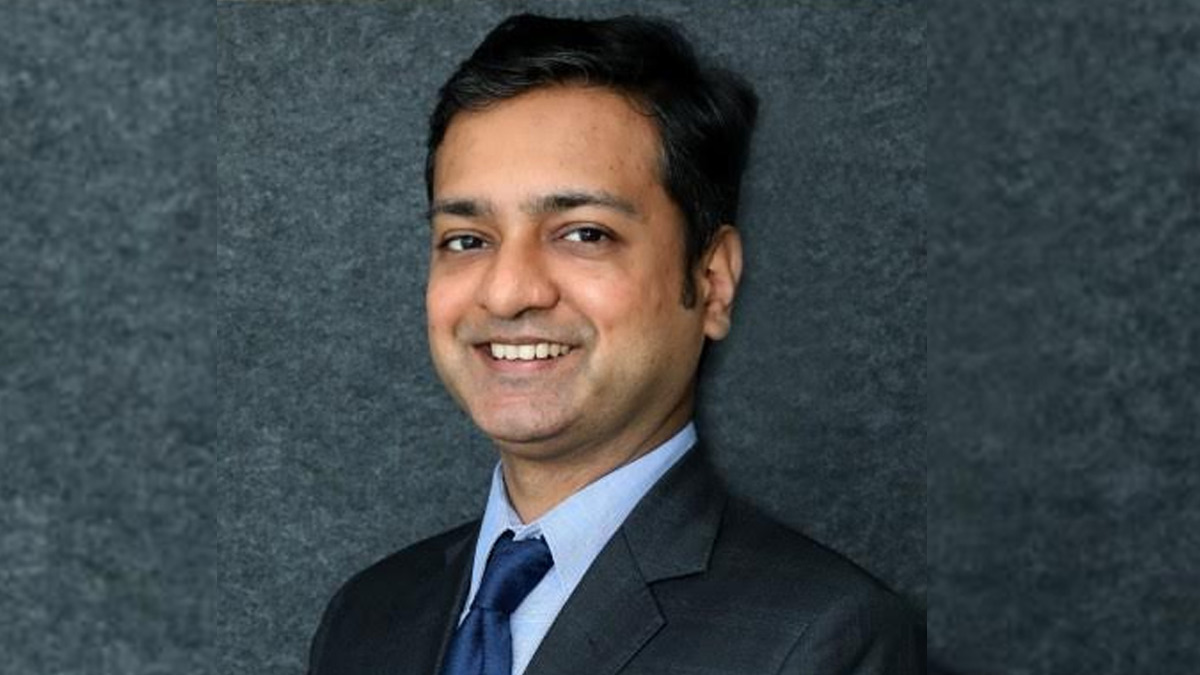
MUMBAI: Emami Limited has appointed Dhruv Aggarwal as its chief growth officer, effective 25 March 2026, following the resignation of Giriraj Bagri.
Aggarwal joins the FMCG major from Bain & Company, where he most recently served as partner. With over two decades of experience across consulting and strategy, he brings a global perspective shaped by work across India, the US, the UK and Germany.
During his tenure at Bain, Aggarwal advised consumer, retail and media companies on large-scale transformations, business turnarounds and growth strategies. He was also closely involved with India’s startup ecosystem, guiding early-stage ventures on scaling and digital expansion, while supporting private equity and venture capital firms on investment decisions.
His earlier stints include a brief role at Barclays Capital and operational experience at Jindal Power, giving him a mix of financial and industry exposure.
Academically, Aggarwal holds an MBA from Indian Institute of Management Bangalore and has also been associated with University of Illinois Urbana-Champaign as a PhD candidate and teaching assistant.
The appointment comes at a time when Emami Limited is looking to sharpen its growth strategy in a competitive consumer market. With a seasoned strategist now at the helm of growth, the company appears set to double down on transformation and expansion in the months ahead.








