Digital
BetterPlace launches a unified tech brand goBetter

Mumbai: In a bid to expand and further strengthen its presence globally, BetterPlace, Asia’s largest full-stack workforce SaaS platform, has announced the launch of its unified tech brand goBetter at its flagship event, The Next Step, held in Mumbai. BetterPlace’s goBetter combines 8+ tech modules into one single platform, which the company aims to take to the global markets as a unified SaaS platform that is optimized by Generative Artificial Intelligence (AI) to revolutionise frontline workforce management.
India, Southeast Asia, and GCC countries make up for 50 per cent of the world’s workforce but on an average more than 60 per cent of this workforce is still informal. This has created problems across the value chain. Less than 3 per cent of the frontline workforce is formally skilled because of which enterprise efficiency is 20-25 per cent lower than the ideal rate and has a labor shortage of more than 20 per cent. Moreover, with the fast changing dynamics of the global workforce, enterprises are unable to unlock the true potential of the workforce, hampering their growth capabilities. With less than 15 per cent of enterprises having digitized their workforce operations, it has become imperative for all enterprises globally to modernize and digitize to unlock this potential at scale. This mammoth task can only be achieved with the help of technology and AI. goBetter will become that one-stop-solution for enterprises to help them in their journey to build a robust workforce. This new unified tech brand will help enterprises to reduce their costs by 50 per cent and increase productivity by 100% through automation and optimization empowering them to scale their business.
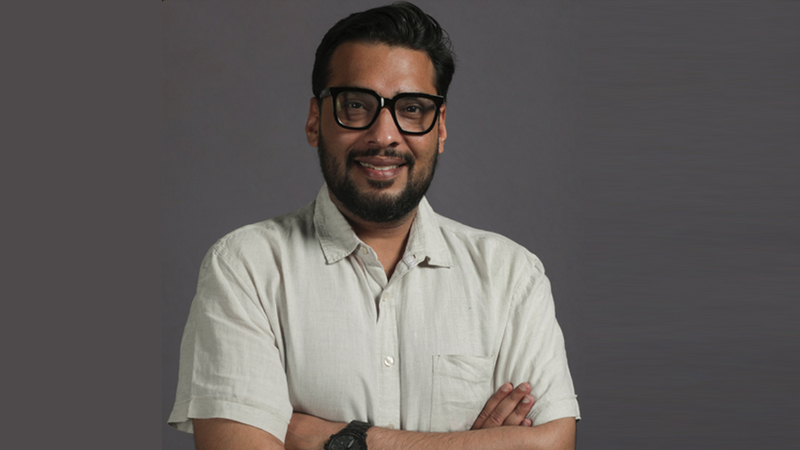
Commenting on the launch of goBetter, BetterPlace co-founder & group CEO Pravin Agarwala said, “The fast changing workforce dynamics globally is posing to be a great challenge for enterprises. The dual impact of changing worker expectations and optimisation pressures has created a context where if the enterprise does not adapt quickly, it will fall behind, losing out on millions that could otherwise be gained through optimisation. Under these circumstances, digital transformation has become imperative for organizations to achieve scale. In the last 7 years, we have been working relentlessly to develop a tech stack to solve these complex problems of human capital management globally. With goBetter, we aim to capture the $300bn addressable market in India, Southeast Asia and GCC countries to become the go to solution for any enterprise which wants to focus on scaling its business while its workforce operations are optimized and automated. In the next three years, our aim with goBetter is to manage 10 million workers in Southeast Asia and GCC in the next 3 years to unlock the true economic potential of frontline workers and the economies which employ them.”



Digital
OpenAI’s Stargate lead Peter Hoeschele exits with two senior leaders
Trio behind compute push set to join new startup amid leadership reshuffle
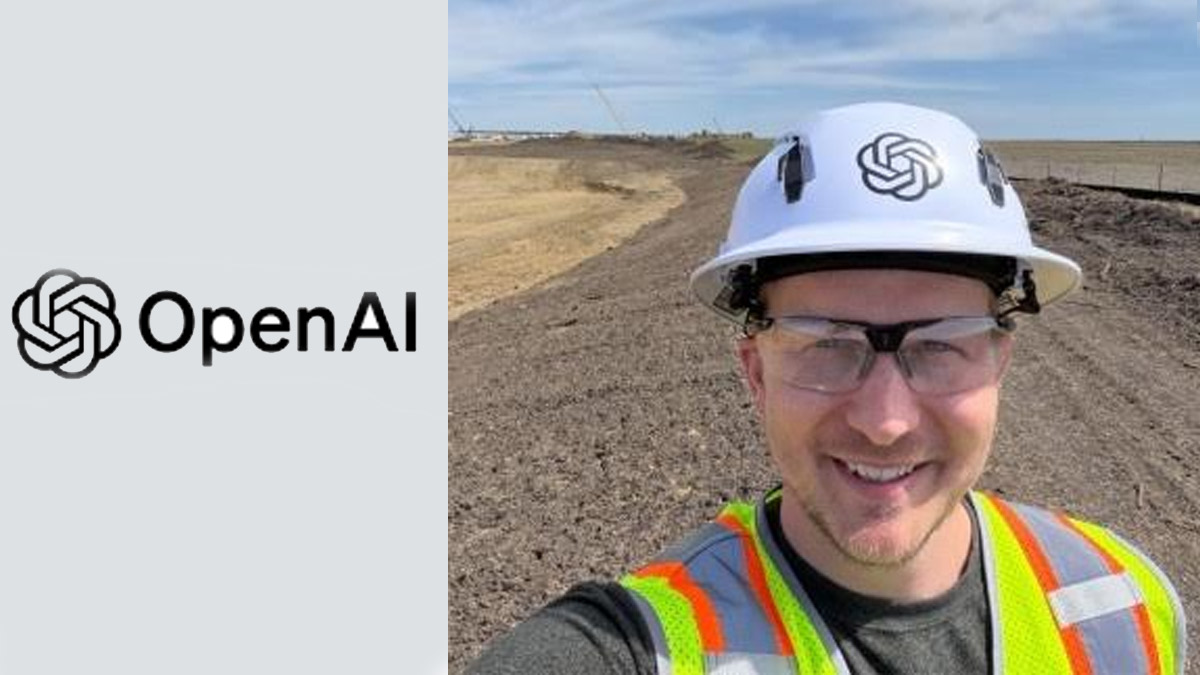
SAN FRANCISCO: Peter Hoeschele, a key figure behind OpenAI’s early Stargate data centre initiative, has exited the company, according to a report by The Information.
The departure is part of a broader leadership shift, with two other senior executives, Shamez Hemani and Anuj Saharan, also set to leave in the coming days. All three are expected to join the same new startup, although details about the venture remain under wraps.
The trio played a central role in OpenAI’s Stargate effort, an initiative aimed at building large-scale data centre capacity in-house to reduce reliance on external infrastructure providers. Their exits mark a notable moment for the company’s compute strategy as it continues to scale rapidly.
OpenAI spokesperson said in a statement to The Information, “We’re grateful for the contributions Peter, Shamez, and Anuj have made to OpenAI and wish them the very best in what comes next.” The company also pointed to the recent appointment of Sachin Katti to lead its industrial compute organisation, signalling continuity in its infrastructure roadmap.
OpenAI has indicated that it does not plan to directly replace Hoeschele’s role, suggesting a possible restructuring of responsibilities within the team.
As competition intensifies in the race to build next-generation AI systems, leadership changes in core infrastructure teams are likely to draw close attention. For now, the spotlight shifts to what this departing trio builds next, and how OpenAI adapts as it scales its ambitions.







