MAM
Battle royale: Why govt’s ban of BGMI spells bad news for gaming in India

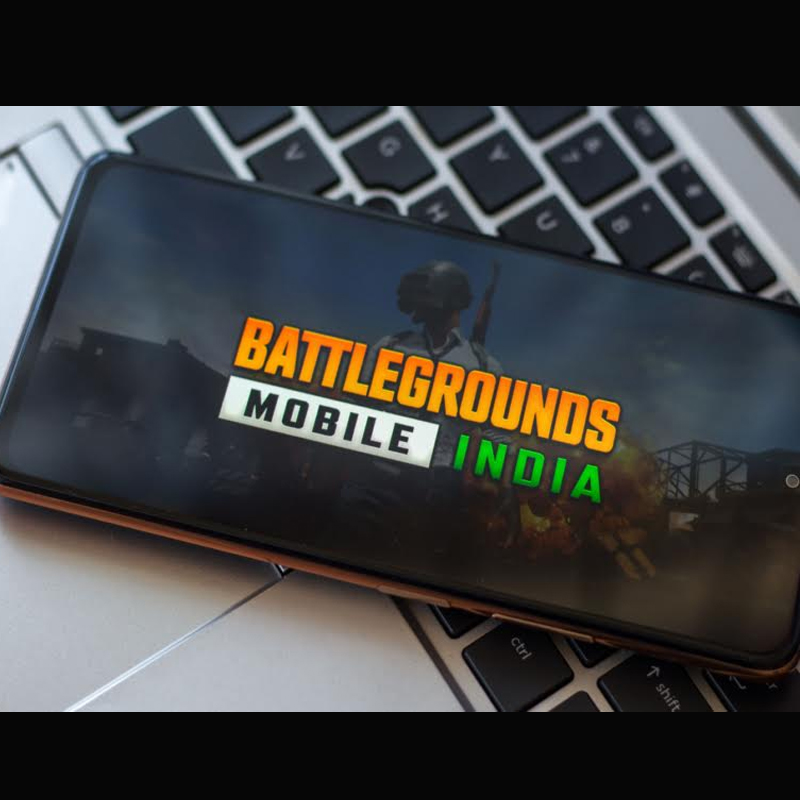
Mumbai: Battlegrounds Mobile India (BGMI), the Indian version of PUBG Mobile from Korean game maker Krafton, has been removed from both Apple and Google app stores in India following a government order. The rebranded game was launched in India in 2021 following the expulsion of the original popular PUBG game in September 2020.
The relaunched version of the game with minor tweaks was quickly picked up by the gaming community in India, even as the game saw millions of downloads and active users. As of July 2022, Krafton’s BGMI surpassed 100 million registered users in the country.
According to Reuters’ report, the government has banned the popular battle-ground format game, citing national security and data sharing concerns, using the same section of the IT law that it has invoked since 2020 to ban Chinese apps.

Google said in a statement that it received an official order from the government to remove the game. “On receipt of the order, following the established process, we have notified the affected developer and have blocked access to the app that remained available on the Play Store in India.”
Krafton has also confirmed the development and said, “We are clarifying how BGMI was removed from the Google Play store and the App store and will let you know once we get specific information.”
According to the South Korean game maker, it has invested nearly $100 million into the game and the country’s gaming start-up ecosystem to improve India’s local video game, esports, and entertainment startups in the last year. The game is also believed to be a major revenue source for esports organisations, teams, live streamers, esports players, and gaming content creators in India. Apart from Krafton’s official tournaments, several Indian esports organisations were organising multiple BGMI tournaments with massive prize pools.
Among the Chinese apps that were relaunched and rebranded with similar features following their ban by the Indian government, BGMI is probably the biggest.
Esports industry stakeholders reacted cautiously to the ban. Most of them said they are yet to receive an official statement from the government on the reason behind the removal of the game from the Play Store and App Store. Some felt this was between the publisher and the government and hoped the issue would be resolved soon.
According to Revenant Esports founder & CEO Rohit Jagasia, the BGMI ban will definitely be a setback for all major stakeholders, like tournament organisations, esports teams, coaches, support staff, and most importantly, the athletes. However, he added that the company is optimistic about supporting its BGMI athletes during these ‘trying times.’ “At Revenant Esports, we will still be supporting our BGMI athletes and make sure they use our training facility to create content and try their hand at different games.”
While the entire esports industry will take a hit, Jagasia added that the organisation was built during the first stint of the ban in 2020 and, hence, has always believed in diversification and will continue to do so. “We still have rosters competing in Pokémon Unite, which will be representing India at the World Championship in London; Call of Duty Mobile, which will be playing the regional playoffs for the world championship; Apex Legends, which previously represented the SEA region in the ALGS playoffs in Stockholm; and Valorant, which is currently playing a couple of regional tournaments.”
Esports Federation of India director & Asian Esports Federation (AESF) vice president Lokesh Suji agreed on the importance of stressing diversification in the industry. He said India is paving its path to becoming a multi-sport nation where every sport is getting the right visibility, audience and investment to grow. “We have to reflect the same in esports where we need to start giving exposure to multiple esports titles and not be limited to one.”
With so much attention on every front, including the government, it’s also high time our Indian video game developers speed up the process of launching world-class esports video game titles, he added.
Several industry insiders felt it was too early to comment on the matter, while for some, like Esports Premier League (ESPL) director Vishwalok Nath, it’s a “wait-and-watch time” to take further decisions.
According to a next-gen marketing agency specialising in the domains of gaming and lifestyle, Alpha Zegus founder and director Rohit Agarwal, such occurrences are becoming more common by the year, and are happening without any foresight. “Not very long ago, we saw a wave of China-based apps getting banned overnight, and also saw the likes of Free Fire getting the red flag-all happening without any prior warnings.”
Apart from the data sharing concerns, a recent incident of a boy killing his mother over a BGMI argument has once again brought the game under the radar of the government, marking it as “unsafe for young adults.” Similar incidents of arguments and damage due to the game have arisen in the past as well.
The gaming industry is realising more than ever that the esports and mobile games space is becoming increasingly unpredictable by the day. Stakeholders expressed the hope of a regulatory body coming into play that monitors the games over time, instead of banning them overnight.
In the absence of an official statement from the centre on the removal of the game, if this game’s removal stays for some time, then it will be damaging to the ever-growing Indian esports ecosystem, says Qlan, The Gamer’s Social Network co-founder & CEO Sagar Nair.
Looking at it from a sports lens, although we are a multi-sport nation, cricket enjoys the biggest chunk of revenue and viewership in our country, he added. “This potential stay will hamper the whole esports ecosystem—consumers, businesses, stakeholders, jobs and much more. There is a large investment riding on startups, tournaments, and game streaming. It’s a trickle effect waiting to happen.”
It’s not just about one game, but with the kind of popularity, player base, and viewership BGMI has, it is leading the biggest esports title in India, industry insiders opined. However, many are confident that the esports revolution in India is huge and the community is tightly bound, due to which Indian esports will continue to grow and thrive.
As of now, despite the removal of BGMI from the Google and Apple app stores, players can still play BGMI on their smartphones if they have downloaded it before. That is, until the government gets the developer, Krafton, to shut it down entirely.
Also Read | Esports Premier League season 2 postponed due to govt’s ban on Battlegrounds Mobile India application







MAM
ASCI study uncovers how Gen Alpha navigates ads in endless digital feeds
‘What the Sigma?’ ethnographic report maps blurred boundaries between content and commerce for 7–15-year-olds.

MUMBAI: Gen Alpha isn’t scrolling through the internet, they’re living rent-free inside its never-ending dopamine drip, and the ads have already moved in next door. The Advertising Standards Council of India (ASCI) Academy, partnering with Futurebrands Consulting, has published ‘What the Sigma?’, an immersive ethnographic study that maps how Indian children aged 7–15 (Generation Alpha) consume, interpret and live alongside media and commercial messaging in a hyper-digital environment.
The research draws on in-home interviews, sibling and peer conversations, and discussions with parents, teachers, counsellors, psychologists, marketers and kidfluencers across six cities. It examines not only what children watch but how algorithms, content creators, peers and parents shape their relationship with the constant stream of shorts, vlogs, gameplay, memes, sponsored posts and ‘kid-ified’ adult material.
Five core themes emerged:
- Discontinuous Generation, Gen Alpha is not growing up alongside the internet, they are growing up inside it. Cultural references, humour, aesthetics and language sync globally in real time, often leaving adults functionally illiterate in their children’s world. A reference that lands instantly for a 10-year-old in Mumbai or Visakhapatnam feels opaque or disjointed to most parents.
- Authority Vacuum, Parents and teachers frequently lose cultural fluency in digital spaces. The algorithm responsive, inexhaustible and perfectly attuned to preferences becomes the most attentive presence in many children’s daily lives. Rules around screen time feel increasingly difficult to enforce when adults cannot fully see or understand the content landscape.
- Digital as Society, Online and offline no longer exist as separate realms, they form one continuous reality. The phone is not a tool children pick up; it is the primary social environment they inhabit.
- Great Media Mukbang, Content flows as an ambient, boundary-less, multi-sensorial stream. Entertainment, advertising, commerce, gameplay, memes and vlogs merge into one undifferentiated feed. The line between active choice and passive absorption has largely collapsed.
- Blurred Ad Recognition, Children aged 7–12 typically recognise only the most overt advertising formats. Influencer promotions, gaming integrations and vlog sponsorships often register as organic entertainment. Children aged 13–15 show greater ad literacy but remain highly susceptible to narrative-integrated, passion-driven and emotionally resonant brand messaging. Discernment remains low across the board in a non-stop stream.
ASCI CEO and secretary general Manisha Kapoor said, “ASCI Academy’s study is an investigation into the content life of Generation Alpha not to judge them but to understand them. Their cultural reference points seem disjointed from those of earlier generations. Insights on how they perceive advertising is the first step towards building more responsible engagement frameworks, given that they are the youngest media consumers in our country right now.”
Futurebrands Consulting founder and director Santosh Desai added, “While earlier generations have been exposed to digital media, for this generation it is the world they inhabit. This report explores not only what they watch but how they are being shaped by algorithms, content and advertising.”
The study proposes four adaptive, principles-led pathways:
- Universal signposting of commercial intent using design principles that make advertising recognisable even to young audiences.
- Ecosystem-wide responsibility shared among advertisers, platforms, creators, schools and parents.
- Future-ready safeguards built directly into children’s content experiences rather than as optional background settings.
- Formal media and advertising literacy embedded in school curricula to teach age-appropriate understanding of persuasion and commercial intent.
In a feed that never pauses, Gen Alpha isn’t merely watching content, they’re swimming in an ocean where entertainment, commerce and identity swirl together. The real question isn’t whether they can spot an ad; it’s whether the adults building the ocean can agree on where the lifeguards should stand.







