MAM
BARC expected to commence TRP reports from July 2013


NEW DELHI: The Broadcast Audience Research Council (BARC) to be set up by the Indian Broadcasting Foundation (IBF) will commence publication of television and radio ratings from July 2013.
This has been conveyed to the Information and Broadcasting Ministry by the Foundation, which had been forwarded the report of the Mitra Committee on the subject early this year, sources told indiantelevision.com.
The Committee headed by former Secretary General of the Federation of Indian Chambers of Commerce and Industry (Ficci) Amit Mitra had said that even as self-regulation is the best way forward for the broadcasting industry, it expressed “the fear that in case significant progress is not made within defined timelines, the Government may be left with no option but to step in, primarily because of the nature of public concerns that have been raised and debated across many platforms”.
The Committee established by the I&B Ministry had said “it is our emphatic preference that all the stakeholders collectively create institutions and corrective mechanisms to improve the accuracy to television audience measurement. The media as a key pillar of democracy must remain independent and free”.

The 75-page report noted that the present sample size of both Tam (8150 homes) and A-MAP (6000) is very inadequate for a country of India‘s size with 129 million TV households.
It suggested an increase to 15,000 urban and rural TV households in the next two years and then to 30,000 in three years. The rating system should keep pace with the new emerging technologies, and the recommendations of Trai about mobile people‘s meters and so on should be studied, the TRP Committee said.
It also said to avoid conflict of interest, there should be no cross-holding between the rating agencies, broadcasters, or advertising agencies. Furthermore, the frequency of the TRP reports should be weekly, and the BARC which has been formed by broadcasters, advertisers and advertising councils should have the discretion to change this to fortnightly if it so desires.






Brands
YES Bank appoints S Anantharaman as chief risk officer
Former Jio Financial Services group chief risk officer takes charge of enterprise-wide risk at the embattled private lender
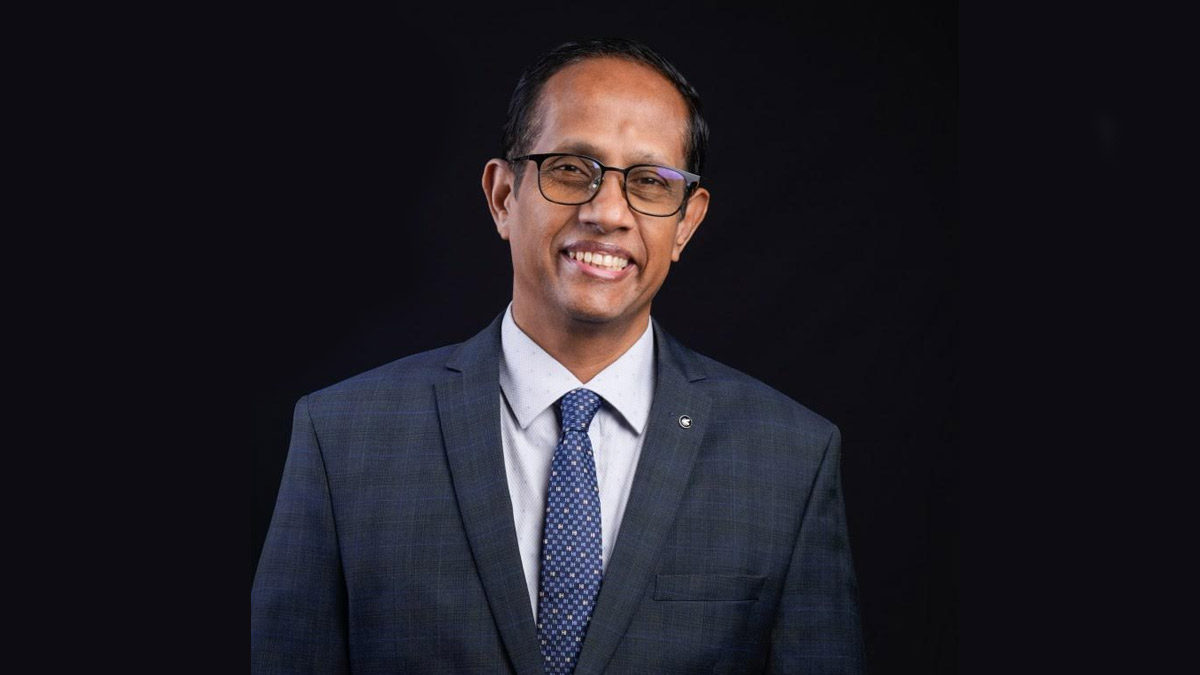
MUMBAI: YES Bank is not taking chances with risk anymore. The private lender has appointed S Anantharaman as its chief risk officer, a hire that signals the bank’s continued effort to rebuild credibility and tighten the controls that once famously slipped.
Anantharaman arrives from Jio Financial Services, where he served as group chief risk officer and built a risk management architecture spanning lending, payments, insurance broking and asset management from the ground up. Before that, he held the chief risk officer role at Bank of Baroda and senior leadership positions at HDFC Bank and L&T Finance Holdings. Three decades in banking and financial services, in other words, with scars and qualifications to match. He is a chartered accountant and a CFA charterholder.
At YES Bank, his brief is considerable. Anantharaman will oversee the bank’s entire enterprise-wide risk framework, covering credit policy, market risk, operational risk, information security, data governance, analytics, model governance and data privacy. It is, in short, every lever that matters when a bank is trying to prove it has grown up.
YES Bank’s turbulent past needs little rehearsing. What it needs now is exactly what Anantharaman has spent thirty years building: the kind of risk culture that stops problems before they become headlines. The appointment suggests the bank knows it.






