MAM
“Auraa envisions a future where modeling is valued and respected on par with prestigious professions”: Auraa Talents’ Arpita Das

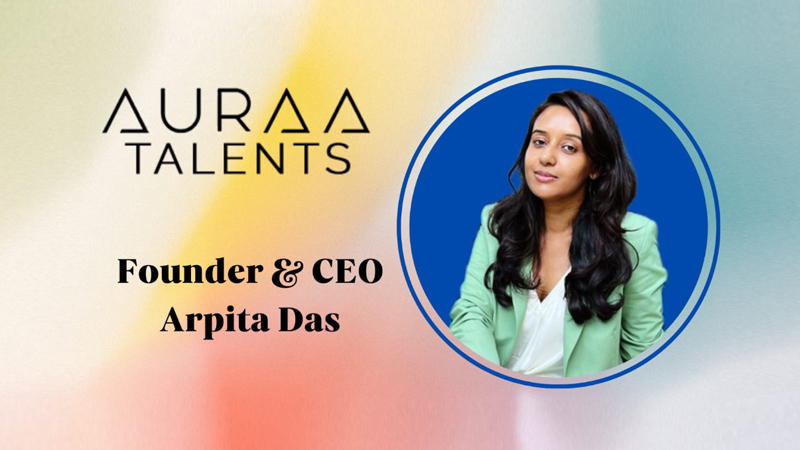
Mumbai: Amidst the dazzling and glittery world of modeling, where trends shimmer and styles evolve, one cannot ignore the prevalent preferences for lighter skin tones that have cast a subtle but persistent shadow over the industry. However, breaking through these conventional norms and redefining beauty standards is Auraa Talents, a dynamic platform founded in 2008 by former model and visionary entrepreneur Arpita Das.
Auraa Talents has not only become a leading force in the creative, modeling, and entertainment sphere but has also emerged as a champion for diversity, empowerment, and inclusivity. As the industry grapples with stereotypes, Auraa stands as a beacon of change, dedicated to eradicating negative perceptions and fostering a culture where every talent, regardless of skin tone, shines with their unique spark and potential.
Indiantelevision.com caught up with Auraa Talents founder & CEO Arpita Das to know more about their evolution since inception, key milestones, training programs for both models and their employees, and much more…

Edited Excerpts:
On Auraa Talents’ evolution since its inception in 2008, and the milestones that you’re most proud of in its journey
During its inception, Auraa showcased only two international models, reflecting its global ambitions. From its modest beginnings, Auraa has now blossomed into a thriving pool of talent representing 150 plus international and Indian talents and actors, from over 25 countries. We have also worked with diverse clientele such as Coca Cola, Tanishq, Vaseline, and others, over the last 16 years leading to a remarkable impact in the modeling realm.
A few of our proudest milestones over the years are a collaboration with Pocket FM that involved our entire talent cast. They were also chosen to participate in a short film called ‘F se Fantasy’. Moreover, a few of our models were cast alongside prominent celebrities such as Taapsee Pannu, Hrithik Roshan and Samantha Prabhu across advertorial campaigns.
On some of the key challenges you faced in the modeling industry that motivated you to establish Auraa
As soon as I began pursuing modeling full-time, I began to understand the industry’s shortcomings. Back in the 2000s, most brands were attracted to lighter skin tones which posed a challenge as I was more dusky. Furthermore, as I lacked appropriate management at the time, it hindered my visibility on the right platforms. As a result, I set out to establish a platform that would provide equal opportunity to all individuals who shared the same dream.
On Auraa Talents setting itself apart in the competitive modeling and talent management industry
At Auraa, we foster a culture of safety, respect, and empowerment within the community. Our commitment to leaving no stone unturned for our talents and treating every project with utmost priority, sets us apart from the rest.
On the inspiration behind championing equal opportunities for aspiring talents, emphasizing inclusivity regardless of skin tones
Every individual deserves a fair opportunity to showcase their talent and contribute to the industry. We not only nurture creativity, but also celebrate the uniqueness & richness that every individual brings to the table.
At Auraa, we stand for empowerment, by breaking down barriers and amplifying voices, diversity, and the belief that talents shine the brightest when given the opportunity to flourish, irrespective of skin tone or background.
On Auraa promoting a culture of safety, respect, and empowerment within the modeling community
At Auraa, we foster a culture of safety, respect, and empowerment within the modeling community by prioritising education on making informed decisions, building self-belief, and instilling confidence in our models. We provide comprehensive training to help our talents differentiate between right and wrong choices, empowering them to navigate their careers with integrity and resilience. By emphasising self-belief and confidence-building exercises, we equip our models with the tools to assert themselves and thrive in a competitive industry. Our commitment to being readily available for support and guidance ensures that our models feel secure and valued.
On Auraa’s training programs and their impact on the development of both models and its employees
We offer comprehensive training programs catering to both employees and models. Our grooming classes for models focus on refining their skills and presentation, ensuring they are well-prepared for the modeling and entertainment industry. A notable success story here would be of our plus-size model Shefali who faced resistance and skepticism from her family and fiance. However, today, she stands tall not only as a successful model but also as a proud wife, daughter, and daughter-in-law.
Employees benefit from our training programs designed to uplift and empower them, providing a platform for growth. A few notable success stories include Venky, who started as an office boy and now thrives as a talent manager, and Pooja, who transitioned from working in an NGO to international scouting.
Overall, Auraa’s aim through these programs is to inspire the following:
1. Holistic growth and confidence building
2. Becoming the better version of themselves
3. Guidance and support
4. Ownership and commitment
On your aspirations for Auraa Talents in the coming years
In the coming years, Auraa aspires to achieve the following for its talents:
1. Brand recognition: The aim is to elevate Auraa to a household name synonymous with modeling excellence. We strive to have Auraa recognised as a trusted and reputable institution in the industry.
2. Education and awareness: Auraa seeks to educate aspiring models and the general public about the modeling industry. By providing valuable guidance and information, Auraa aims to steer individuals away from potentially harmful paths and ensure they make informed decisions about their modeling careers.
3. Elevating the status of modeling: Auraa envisions a future where modeling is valued and respected on par with other prestigious professions like engineering and medicine. By promoting the significance and artistry of modeling, Auraa aims to elevate the status of models and the industry as a whole.
4. Global reach and representation: Auraa is working towards creating a path for aspiring models to reach international markets and represent India on a global stage. By providing opportunities for talents to showcase their skills internationally, Auraa aims to open doors for Indian models to achieve success and recognition worldwide.
Overall, Auraa’s aspirations for its talents in the coming years revolve around building a strong foundation of education, awareness, and support, to empower models to reach their full potential, make informed decisions, and succeed both nationally and internationally. By striving to transform the modeling landscape and create new opportunities, Auraa aims to shape the future of modeling in India and beyond.





MAM
Beacon Group appoints Dr Rajesh Patel as Group CEO
36-year healthcare veteran to lead Beacon Diagnostics, Vector Biotek, Biogeny.
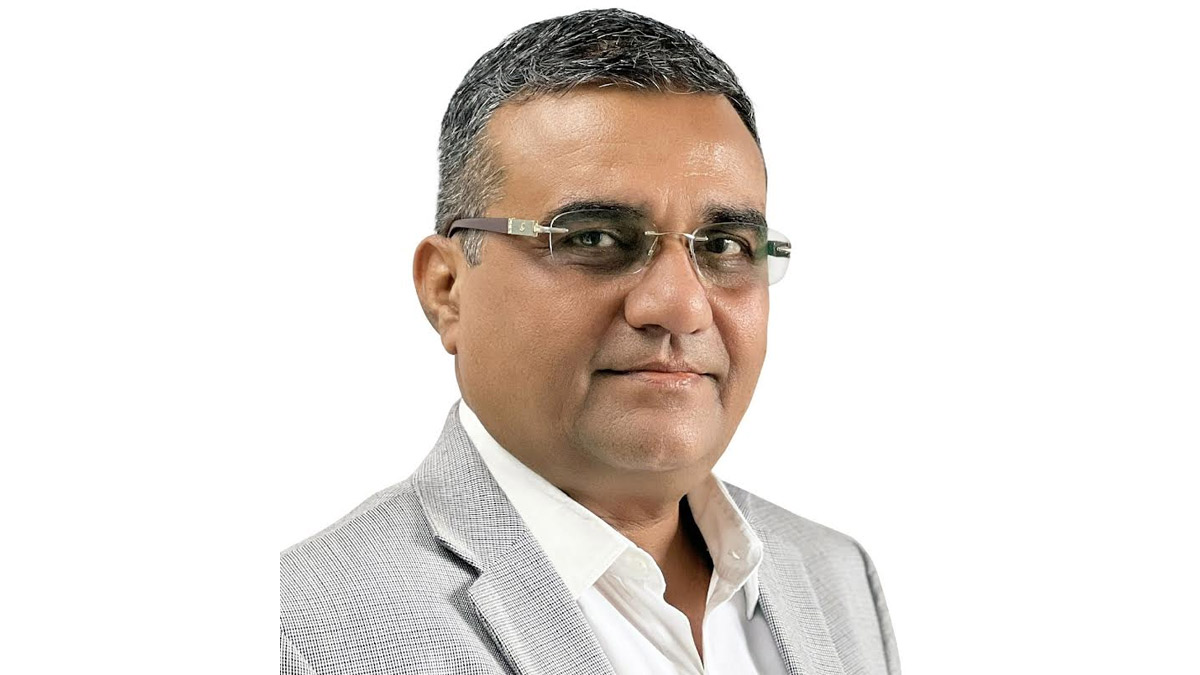
MUMBAI: A new chief, a fresh diagnosis and a sharper prescription for growth. Beacon Group has appointed Dr Rajesh Patel as its Group Chief Executive Officer, effective April 1, 2026, signalling a decisive push to scale its presence in the diagnostics and IVD space. Patel steps into the role with 36 years of experience across the healthcare and diagnostics industry, bringing a career shaped by leadership roles spanning sales, marketing, business development and operational strategy. His mandate is both expansive and precise: to steer the group’s overall strategic direction while tightening coordination across its three core entities Beacon Diagnostics, Vector Biotek and Biogeny Diagnostics.
In practical terms, that means driving cross-company synergies, accelerating market expansion and strengthening organisational capability areas increasingly critical as diagnostic players compete for scale in a fragmented yet rapidly evolving healthcare ecosystem. The group is positioning itself to capture unmet demand across chain laboratories, key accounts and standalone labs, segments that remain underserved despite growing diagnostic needs.
The appointment comes at a time when the In Vitro Diagnostics (IVD) sector in India is entering a more competitive and innovation-led phase, with companies focusing not just on product pipelines but also on service delivery, integration and customer-centric models. Beacon’s leadership appears to be betting that Patel’s execution-focused approach can help translate ambition into operational momentum.
Welcoming the appointment, Chairman Dr D K Joshi described Patel’s induction as a strategic move aligned with the group’s long-term vision, emphasising the role of leadership depth in navigating the next phase of growth.
For Beacon Group, the message is clear, in a sector where precision matters, leadership is the new differentiator—and this appointment is intended to set the tone for what comes next.






