MAM
Asian Paints’ new video campaign takes homeowners to the ‘Next Level’


Mumbai: Everyone wishes to have a home of their dreams. However, not everyone knows the right way to actualise this long-cherished dream. Asian Paints’ beautiful homes service bridges the gap with an exclusive interior design service curated to address the challenges homeowners face in bringing their unique vision to life. To raise awareness about the distinctive home design solutions offered, Asian Paints has launched a new digital campaign for their Beautiful Homes Service that chronicles the journey of a young couple pursuing interiors for their dream home.
The ad film resonates with homeowners embarking on a journey to elevate their home interiors to the ‘Next Level.’ It opens with a young couple engaging in a conversation with a Beautiful Homes Services Consultant, sharing slyly taken photographs of kitchens, rooms and living areas of the homes of their friends and relatives. Their aspiration is to draw inspiration from these spaces to create a one-of-a-kind home of their own. This relatable scenario is humorously portrayed, shedding light on the universal desire for distinctive homes. The consultant’s continuous nodding throughout the conversation ends with an amused look upon seeing the pictures, remarking that it’s unnecessary for creating a home that perfectly aligns with their preferences.

Leveraging its deep understanding of homeowners’ preferences, the video then shows a diverse selection of products ranging from modular kitchen to furniture, furnishings, and lighting that Asian Paints Beautiful Homes Service offers. It drives the message on how the service empowers homeowners to explore designs that go beyond the standardized options. The digital commercial concludes with the couple content with their tastefully decorated and functional home, tailored to their needs. They playfully observe their neighbours discreetly taking pictures of the couple’s home, reflecting on the initial inspiration they sought.
Beautiful Homes Service from the house of Asian Paints, known for its expertise in turning living spaces into personalized havens, advocates for homes that align with the homeowners’ unique aesthetic and practical needs, rejecting the notion of mere replica of someone else’s home. What sets this service apart is its flexibility; it caters to homeowners’ needs, whether the renovation is focused on a single room or a specific area of the house.
Beautiful Home Service is an all-inclusive solution for homeowners, covering everything from planning to execution, timely delivery, and warranty. It is designed to comprehend each consumer’s vision and create spaces that harmonize with their distinctive style, guaranteeing that every home becomes a genuine embodiment of its owner’s individuality.







Brands
Vodafone Idea elevates Vineeth Jayendranath as VP, marketing head Mumbai
Telecom marketer takes charge of Mumbai circle with growth and brand focus
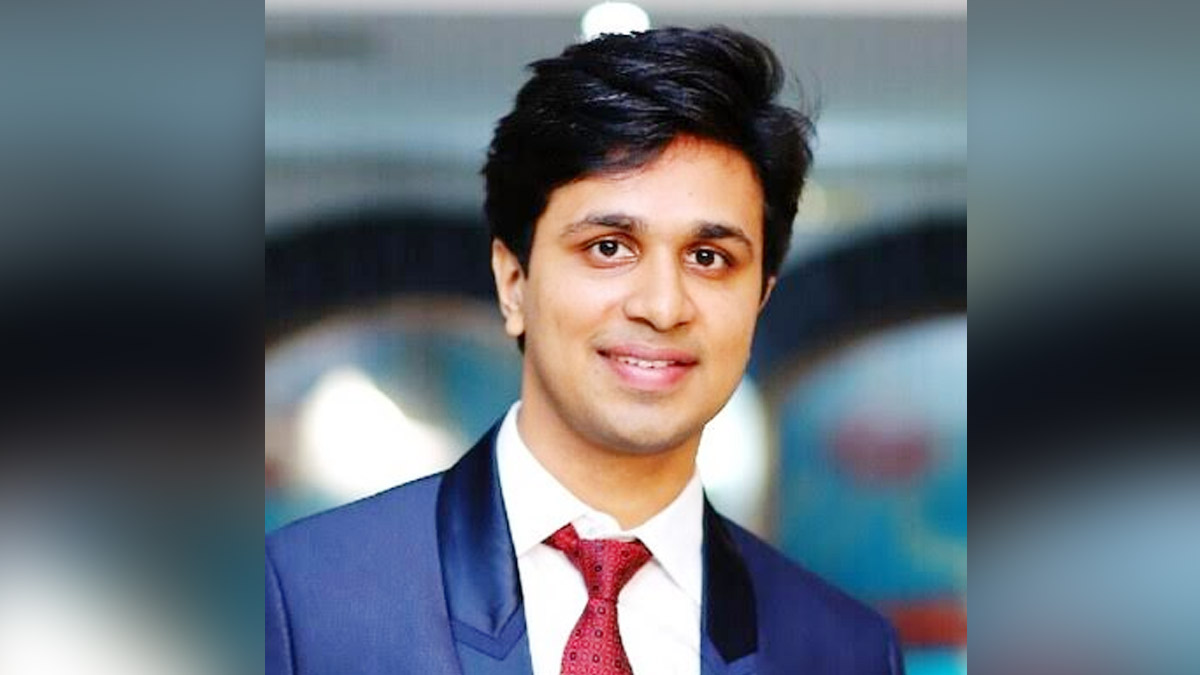
MUMBAI: Vodafone Idea Limited has promoted Vineeth Jayendranath to vice president, marketing head for the Mumbai circle, marking a key milestone in his career as the telecom operator sharpens its regional strategy.
In his new role, Jayendranath will lead marketing efforts across prepaid and postpaid segments in one of the country’s most competitive telecom markets. His mandate includes driving revenue growth, strengthening brand positioning, and deepening customer engagement, while also managing profit and loss responsibilities for the circle.
Sharing the update, Vineeth Jayendranath said, “Excited to share, I am starting my new stint as Vice President, Marketing Head for Mumbai circle at Vodafone Idea Ltd. Would like to thank everyone who has supported me in this journey.”
Jayendranath brings over 12 years of experience spanning telecom and IT, with a strong focus on customer value management and data-led marketing. Since joining Vodafone Idea, he has held multiple leadership roles, most recently serving as general manager leading customer value management and prepaid business across Gujarat, Maharashtra and Goa.
During this period, he handled large subscriber bases and multi-billion rupee revenue portfolios, while rolling out hyper-personalised campaigns and a “segment of one” strategy to improve customer retention and upgrades. He also championed a digital-first approach, pushing adoption of data services and unlimited plans through targeted, insight-driven initiatives.
Earlier, he worked with Idea Cellular Ltd in strategy and business intelligence roles, and began his career at Infosys as a systems engineer. A brief stint at Hyundai Motor India Ltd during his internship added early exposure to marketing strategy.
An alumnus of SVKM’s Narsee Monjee Institute of Management Studies, Jayendranath has steadily built a reputation for combining analytics with marketing execution.
His elevation comes as telecom players double down on circle-level strategies to stay competitive, and Vodafone Idea appears to be betting on data-backed marketing to keep Mumbai firmly in its corner.







