MAM
ASCI to review Airtel Digital TV’s MPEG4 ads

MUMBAI: The Advertising Standards Council Of India (ASCI) is in the process of reviewing the Tata Sky complaint against competition brand Airtel Digital TV‘s “Dil Titli” commercials.
As per the Tata Sky grievance registered with ASCI, the advertisements are mislading since viewers are led to believe that Airtel Digital TV has superior picture quality because of MPEG4 or DVBS2.
However, Tata Sky states that the claims are to be held in falsehood as MPEG technology is only used for compressing a large number of channels within a given bandwidth.
Says Tata Sky chief marketing officer Vikram Mehra, “While MPEG 4 is definitely superior to MPEG 2, 8it has nothing to do with picture quality. The technology is only used for compressing a large number of channels within a given bandwidth.”
In December 2009, Tata Sky had registered its grievance against the ads, considered by the Consumer Complaints Council (CCC).
The letter from Tata Sky to ASCI informed that while the first ad, where Saif hunts down his childhood friend, has stopped airing from 30 September across all 89 channels (national nad regional channels, all genre), the second ad featuring a TV reporter is still running on cricket matches.
The CCC decided to uphold the complaint as the advertisement breached chapter 1.4 of the ASCI code. The code states that advertisements shall neither distort facts nor mislead the consumer by means of implications or omissions. Advertisements shall not contain statements or visual presentation which directly or by implication or by omission or by ambiguity or by exaggeration are likely to mislead the consumer about the product advertised or the advertiser or about any other product or advertiser.

MAM
Raghu Rai passes away at 83, leaves behind iconic legacy
Padma Shri-winning photographer documented history across 5 decades.
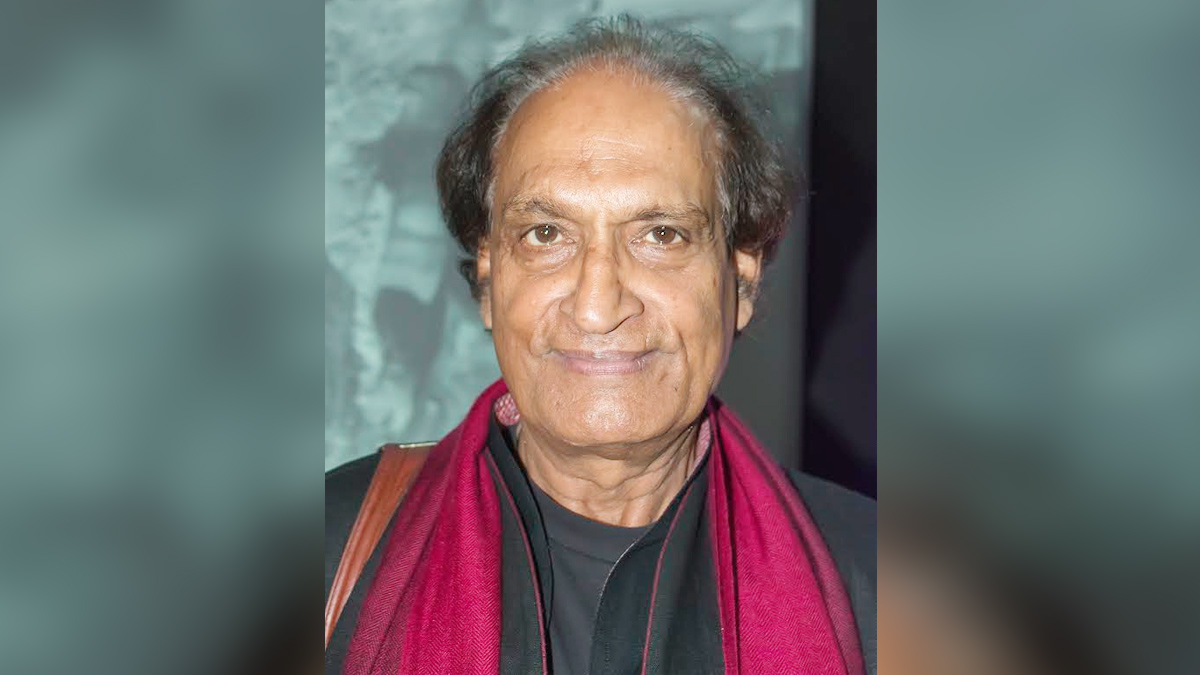
MUMBAI: The lens may have stilled, but the stories it captured will never fade. Raghu Rai, one of India’s most celebrated photojournalists, passed away on April 26, 2026, at the age of 83. He breathed his last at a private hospital in New Delhi after battling cancer and age-related health issues.
His son, Nitin Rai, revealed that Rai had been diagnosed with prostate cancer two years ago, which later spread to the stomach and, more recently, the brain. Despite multiple rounds of treatment, his health had declined in recent months.
Born in 1942 in Jhang, Punjab (now in Pakistan), Rai entered photography in his early twenties, inspired by his elder brother, photographer S. Paul. Beginning his career in the mid-1960s, he went on to build a body of work that spanned more than five decades, contributing to global publications such as Time, Life, GEO, Le Figaro, The New York Times, Vogue, GQ and Marie Claire.

His global recognition took a decisive leap in 1977 when legendary French photographer Henri Cartier-Bresson nominated him to join Magnum Photos, placing him among the world’s most respected visual storytellers.
Rai’s lens chronicled both power and poignancy. He photographed towering figures such as Indira Gandhi, Dalai Lama, Bal Thackeray, Satyajit Ray and Mother Teresa, while also documenting defining moments like the Bhopal gas tragedy later captured in his book Exposure: A Corporate Crime.
Over the years, he published more than 18 books, building an archive that blended journalism with artistry. His contributions were recognised early when he was awarded the Padma Shri in 1972 for his coverage of the Bangladesh War and refugee crisis. In 1992, he was named “Photographer of the Year” in the United States for his work in National Geographic, and in 2009, he was honoured with the Officier des Arts et des Lettres by the French government.
Rai is survived by his wife Gurmeet, son Nitin, and daughters Lagan, Avani and Purvai. His last rites will be held at Lodhi Cremation Ground in New Delhi at 4 pm on Sunday.
With his passing, Indian photojournalism loses not just a pioneer, but a patient observer of history, one frame at a time.