Digital
ASCI reveals dark patterns used by digital platforms that cause consumer harm


Mumbai: An extensive discussion paper released by the Advertising Standards Council of India (ASCI), the self-regulatory body of the advertising industry, has highlighted how UI/UX deployed by digital platforms could manipulate consumer choices and consumption patterns.
According to the paper, these manipulative tactics or dark patterns come in many forms and are present across multiple platforms. Practices like drip pricing, trick questions, nagging, disguised ads, bait and switch, among others, are just some of the commonly found dark patterns on the internet.
With online commerce growing rapidly, consumers’ vulnerability to such practices is increasing. In FY 2021-22, 29 per cent of the advertisements processed by ASCI were disguised by influencers as regular content, which is also a part of dark patterns in advertising. Categories found to be major violators were cryptocurrency, personal care, fashion and e-commerce.

Taking note of the growing global concerns around such practices, ASCI formed a 12-member task force comprising stakeholders from different tech platforms, legal experts, civil society and domain experts. The task force examined key issues related to dark patterns to understand which of these practices potentially violate the ASCI code which inter-alia states: “Advertisements shall not be framed so as to abuse the trust of consumers or exploit their lack of experience or knowledge.”
Not all dark patterns fall under the domain of advertising and hence may be out of ASCI’s remit, however, they could amount to unfair trade practices which compromise consumer interest. ASCI hopes that in the near future, such dark patterns will be addressed by the regulators as they see appropriate in the interest of consumer protection.
ASCI has outlined 4 key practices that it intends to address through expanding its code: namely drip pricing, bait and switch, false urgency and disguised advertising. ASCI has invited comments from all stakeholders and the members of the public on this proposed expansion of the ASCI code. One could send their comments to contact@ascionline.in; the last date to receive these comments is 31 December.
ASCI CEO and secretary general Manisha Kapoor said, “There is a thin line between dark patterns and legitimate targeting and persuasion tactics. Dark patterns cause consumer harm and with the ever-increasing presence of advertising on digital platforms, these are now under sharp scrutiny of ad-regulators around the world. Eventually dark patterns ruin consumer experience and increase abandonments, and make the consumer suspicious of the online space. By choosing fair practices that enhance both consumer and shareholder value, brands can develop sustainable ways of consumer engagement. ASCI continues its investment in technology to track and monitor digital advertising to help keep the online experience safe for consumers.”
The paper cites examples provided by UX experts of alternative practices that are fair to consumers and that can be adopted by brands. These alternatives can clean up the online space of malicious patterns and build consumer confidence in the digital world.







Introduction
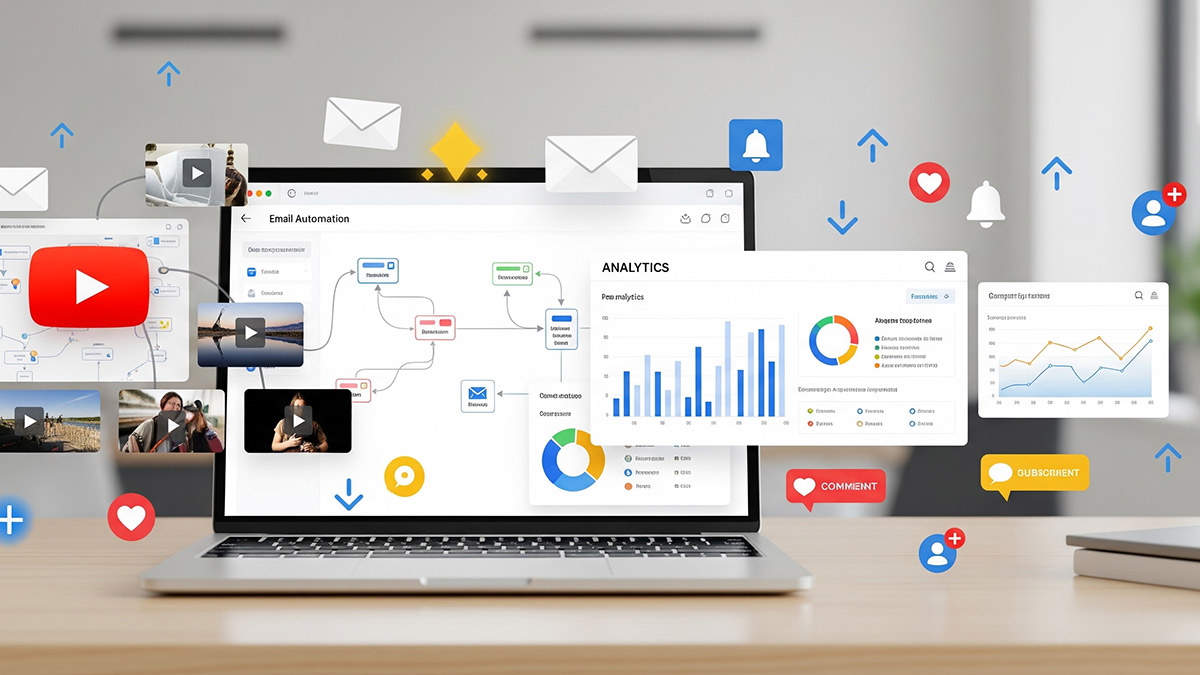
In the modern digital landscape, businesses are constantly seeking innovative ways to reach their audience, build relationships, and drive conversions. Two of the most powerful tools in digital marketing today are email automation and YouTube marketing. These strategies not only help brands engage with their audience but also provide measurable results that can significantly impact business growth. Platforms like ExamCollection offer valuable insights and resources for mastering these techniques. In this article, we will explore how email automation and YouTube marketing can transform your digital strategy and help you achieve long-term success.
The Power of Email Marketing Automation
Email marketing remains one of the most effective channels for communication and conversion. However, manually managing email campaigns can be time-consuming and inefficient. This is where marketing automation comes into play. Automation tools allow businesses to send personalized messages based on user behavior, preferences, and engagement patterns. This not only improves efficiency but also enhances the customer experience.
Benefits of Marketing Automation
Marketing automation provides several advantages, including increased productivity, improved targeting, and better customer retention. By automating repetitive tasks, businesses can focus on strategy and creativity. Additionally, automation enables marketers to segment their audience and deliver highly relevant content, which leads to higher open rates and conversions. It also provides valuable analytics that help optimize campaigns for better performance.
How to Master Email Automation
To master email automation, businesses need to understand their audience and create targeted campaigns. This involves setting up workflows, designing engaging email templates, and analyzing performance metrics. Tools like CRM systems and automation platforms can help streamline the process. Learning from expert guides and resources can significantly improve your skills and results.
The Rise of YouTube Marketing
YouTube has become one of the most influential platforms for digital marketing. With billions of users worldwide, it offers businesses an فرصة to reach a massive audience. Video content is highly engaging and can convey messages more effectively than text or images. As a result, many brands are investing in YouTube marketing to build their online presence and connect with their audience.
Key Strategies for YouTube Success
Successful YouTube marketing requires a well-planned strategy. This includes creating high-quality content, optimizing videos for search, and engaging with viewers. Consistency is also crucial, as regular uploads help build a loyal audience. Additionally, using analytics tools can help track performance and identify areas for improvement.
Explore more: https://www.examcollection.com/blog/master-youtube-marketing-with-these-10-powerful-steps/
Combining Email and YouTube Marketing
Integrating email automation with YouTube marketing can create a powerful synergy. For example, businesses can use email campaigns to promote new videos, share exclusive content, and drive traffic to their YouTube channel. Similarly, YouTube videos can encourage viewers to subscribe to email lists, creating a continuous cycle of engagement. This integrated approach can significantly enhance marketing effectiveness.
The Role of Data and Analytics
Data plays a crucial role in both email and YouTube marketing. By analyzing user behavior and engagement metrics, businesses can make informed decisions and optimize their strategies. Metrics such as open rates, click-through rates, watch time, and subscriber growth provide valuable insights into campaign performance. Using these insights, marketers can refine their approach and achieve better results.
Challenges and How to Overcome Them
While email automation and YouTube marketing offer numerous benefits, they also come with challenges. These include content creation, audience engagement, and staying updated with changing algorithms. To overcome these challenges, businesses need to invest in continuous learning and adapt to new trends. Leveraging reliable resources and expert guidance can make a significant difference.
Future Trends in Digital Marketing
The future of digital marketing is likely to be shaped by advancements in artificial intelligence, personalization, and interactive content. Automation tools will become more sophisticated, enabling even more personalized experiences. Video content will continue to dominate, with platforms like YouTube playing a central role in marketing strategies. Businesses that stay ahead of these trends will have a competitive advantage.
FAQ
1. What is email marketing automation?
Email marketing automation involves using software to send targeted and personalized emails based on user behavior and preferences.
2. Why is YouTube important for marketing?
YouTube provides a platform to reach a large audience and engage users through video content.
3. Can small businesses benefit from these strategies?
Yes, both email automation and YouTube marketing are highly scalable and suitable for businesses of all sizes.
4. How can I improve my email open rates?
By creating compelling subject lines, segmenting your audience, and delivering relevant content.
5. What tools are used for YouTube marketing?
Tools like video editing software, analytics platforms, and SEO tools are commonly used.
Conclusion
Digital marketing is evolving rapidly, and businesses must adapt to stay competitive. Email automation and YouTube marketing are two powerful strategies that can drive significant growth when implemented effectively. Email automation allows businesses to deliver personalized and timely messages, improving customer engagement and retention. On the other hand, YouTube marketing provides a platform to connect with a vast audience through engaging video content. By combining these strategies, businesses can create a comprehensive marketing approach that maximizes reach and impact. Platforms like ExamCollection offer valuable resources that help marketers understand and implement these techniques effectively. The integration of data and analytics further enhances the effectiveness of these strategies, enabling businesses to make informed decisions and optimize their campaigns. However, success in digital marketing requires continuous learning, creativity, and adaptability. As technology continues to advance, new opportunities and challenges will emerge. Businesses that stay updated with the latest trends and leverage the right tools will be well-positioned for success. Ultimately, mastering email automation and YouTube marketing can lead to increased brand visibility, higher engagement, and improved conversion rates. By investing time and effort into these strategies, businesses can achieve sustainable growth and long-term success in the competitive digital landscape.






