MAM
Asci releases ‘sector report card 2021-22’: Ad violations by top six sectors


Mumbai: The Advertising Standards Council of India (Asci) has recently released its annual complaints report for the financial year 21-22. The report provided information on the complaints examined and advertisements handled by the self-regulatory organisation. The report processed 4,184 advertisements across mediums including print, digital media and television.
The significance of the digital ecosystem was reflected in the fact that 48 per cent of the ads that Asci processed were published digitally, 29 per cent of the complaints that were filed concerned influencers, and the top six violative categories showed the emergence of sectors like gaming and cryptocurrency.
The report also delves into the specifics of the advertisements examined, the types of complaints, the results of the ads processed, and the involvement of influencers and celebrities in each sector. Education, with 23 per cent increase in comparison to last year, remains the single largest violative industry, followed by gaming (472 per cent increase) and personal care (261 per cent increase).

Education
ASCI discovered 23 per cent more violations in this category during fiscal years 2020–21. The edtech category accounted for six per cent of the 1,728 ads checked. In total, 90 per cent of these advertisements were in print. 1.2 per cent were broadcast on television, 8.8 per cent were digital, and 0.1 per cent were distributed through other mediums.
Nine ads featuring celebrities were found to be misleading, and 12 more were added with influencer disclosure violations.
Only one per cent of the ads were rejected, while the other 99 per cent required modification. Under the procedural outcomes of cases requiring modification – 17 per cent had informal resolution, 83 per cent were upheld.
The report stated, “Most of the violative claims against the education industry were pertaining to leadership, awards and rankings, and job guarantee claims. Comparative superlative claims like highest success, lowest fees, etc, and performance outcome claims like best results, success assured were also common. In addition to these, there were a significant number of money back guarantee claims, usually clubbed with result-oriented or outcome-related claims.”
Gaming
The gaming industry grew by 472 per cent in fiscal years 2021-22 compared to the previous year. Asci, in total, looked into 383 cases in this category. Where four per cent of the records were not valid, three per cent were dismissed, and 94 per cent required some modification. 11 per cent of ads were upheld while 89 per cent of them had an informal resolution: not contested.
In total, one per cent of these advertisements were in print. One per cent was broadcast on television, 99 per cent on digital, and none were distributed via other means.
Eight ads featuring celebrities were found to be misleading, and 22 added with influencer disclosure violations.
“Most violative claims in the gaming industry were pertaining to leadership, guaranteed winnings, prize money assurance and safety, security & privacy claims. Other claims like consumer trust – trusted by three billion users etc., and comparative claims like win better, Xtimes more winnings were also seen,” said the report.
Personal Care
Surprisingly, Asci’s total number of ads checked increased by 261 per cent in the previous fiscal year, to 531. As per the report, four per cent of these were nullified, five per cent dismissed, and 91 per cent required modifications.
While 69 per cent had an informal resolution—not contested, 31 per cent were upheld. Four per cent of these ads appeared in print, six per cent on television, 88 per cent in digital, and two per cent in other mediums. Four ads featuring celebrities were found to be misleading, and 371 ads were found to be violating the influencer disclosure code.
In the report, Asci stated, “There were various claims made in the advertisements looked into under this category. Most of the violative claims were pertaining to product performance. Owing to the ongoing pandemic, we saw a number of protection and prevention claims, particularly those claiming protection from germs like viruses and bacteria. Besides these, there were comparative claims, ingredient performance-led claims, natural and organic product claims, leadership claims, consumer trust and recommendation by experts claims.”
Healthcare
The previous year saw a surge in Covid cure/protection claims that settled as the pandemic progressed, resulting in a 20 per cent decrease in ads seen by Asci on a fiscal year basis, from 967 to 775 in FY’22.
The procedural outcomes of cases are: while 19 per cent had an informal resolution—not contested, 62 per cent were upheld, and 19 per cent were in DMR/Covid violations. Adding to that, 0.3 per cent of complaints were not valid, 1.7 per cent were dismissed, and 98 per cent required modification.
Five ads featuring celebrities were found to be misleading, and 15 more were found to be violating the influencer disclosure code.
The medium split of the platforms where these ads are published is: 75 per cent of these ads are in print, three per cent on television, 21 per cent in digital, and one per cent in other media.
According to the report, the majority of the most egregious claims in the healthcare industry concerned leadership, awards and rankings, and comparative claims, particularly in clinics and hospitals. Treatment assurance claims were also fairly common. For drugs and medicinal products, claims of cure, prevention, and protection were the most common. Health condition reversal and product performance claims were among the other violative claims noted. There has been a rise in the occurrence of natural ingredient or procedure-led treatment or cure claims.
Food & Beverages
ASCI found a 31 per cent increase in violations in this category during fiscal years 2020–21. Asci, in total, looked into 373 cases. As mentioned in the report, 16 per cent of these advertisements were in print. Seven per cent were broadcast on television, 73 per cent were digital, and four per cent were distributed through other means.
The procedural outcomes of cases requiring modification recorded 53 per cent informal resolution: not contested and 47 per cent upheld. Adding to that, two per cent of complaints were not valid, 14 per cent were dismissed, and 84 per cent (two cases are currently sub-judice) required modification.
The number of ads featuring celebrities found to be misleading and violating the influencer disclosure code is two and 131, respectively.
The report said, “Almost every product sub-category under F&B had immunity boosting claims along with ingredient benefit and product performance claims. Comparative claims, leadership claims, and health and disease risk reduction claims were also common. Like many other categories, there was an increase in claims pertaining to protection from and prevention of various diseases caused by viruses and bacteria. Other claims included awards and rankings, natural source/organic foods, consumer trust, and quality claims.”
Virtual Digital Assets (VDA)
The Asci report highlighted that advertising in this category had not been so prominent in the previous years. Therefore, the recorded number this year included only 394 ads in the process, of which four per cent were invalid, one per cent were rejected, and 95 per cent required modification.
Additionally, while 53 per cent were informal resolution: not contested, 47 per cent were upheld.
None of the ads featuring celebrities were found to be misleading this year. The number of violations in influencer disclosure stood at 385.
The medium split of the platforms where these ads are published is: one per cent of these ads are in print, one per cent on television and 98 per cent in digital media.
The report added, “Most of the advertisements looked into under this industry were influencer disclosure cases, where influencers were talking about how to navigate the VDA platforms or sharing information about the category and how the platform is easy to operate. From some of the ads that made misleading claims, leadership and consumer trust claims were most common. Guaranteed earnings and performance comparisons with other modes of investment like gold and stock investment are followed. The other commonly found claims revolved around promoting the category through referral programme claims like ‘refer a friend and win’.”







Brands
Charlotte Tilbury opens first flagship store in India
Luxury beauty brand bets on immersive retail as India expansion gathers pace
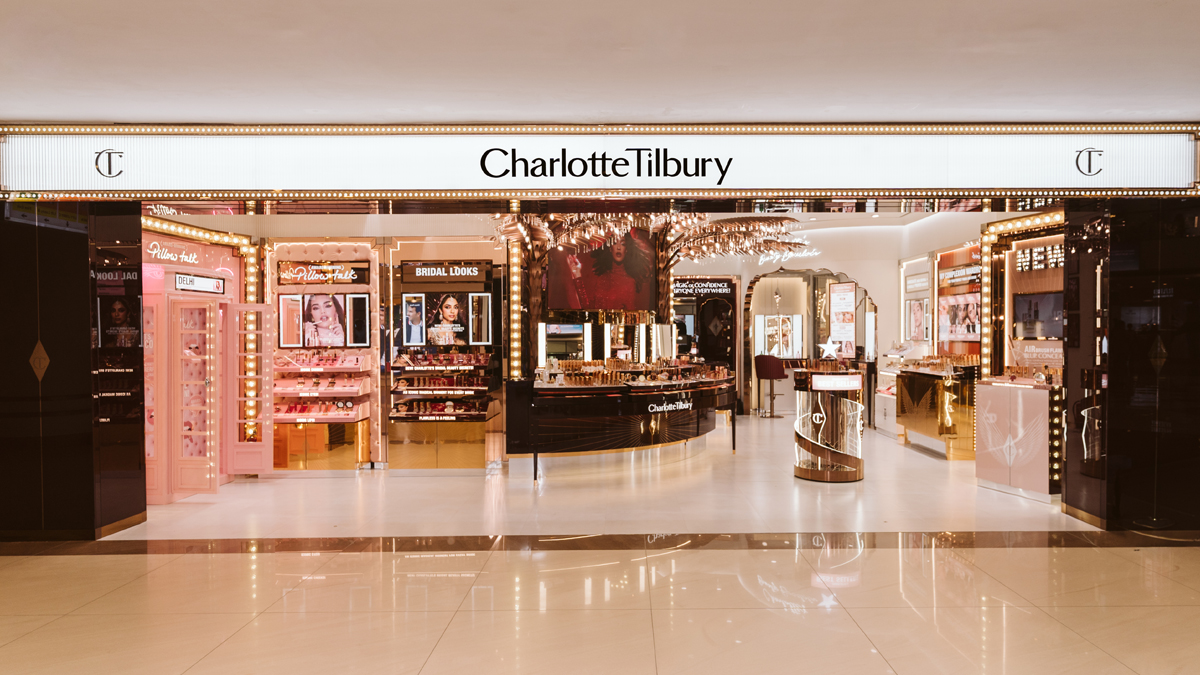
NEW DELHI: Charlotte Tilbury has opened its first flagship Beauty Wonderland in India, planting a high-glamour marker in New Delhi as global beauty brands double down on the country’s fast-growing premium market.
Located at Nexus Select Citywalk in Saket, the store is operated end-to-end by Nykaa, deepening a partnership that began with the brand’s digital launch in India in 2020 and has since scaled across retail, marketing and distribution. The opening signals a shift from marketplace presence to standalone brand environments as companies chase long-term equity and consumer loyalty.
The launch was marked by an event on April 9 featuring actor Sobhita Dhulipala, the brand’s first beauty muse in India, underscoring Charlotte Tilbury’s growing cultural push in the market.
“Darlings, I am so excited to open my first-ever flagship Beauty Wonderland in India, in its vibrant and iconic capital, New Delhi,” said Charlotte Tilbury. “This is such a magical milestone for the brand as we continue to grow in one of the world’s most dynamic and exciting beauty markets.”
Tilbury highlighted the brand’s connection with Indian consumers. “India has always been a place of incredible beauty, celebration and transformation. I have been so inspired by the artistry, creativity and passion of our community here. They are true beauty connoisseurs that appreciate next-generation formulas,” she said.
The store is designed as an immersive retail experience, blending the brand’s Art Deco and old Hollywood aesthetic with local cues. A bespoke Royal Indian Arch anchors the space, alongside personalised makeup services tailored to Indian trends and occasions. A dedicated bridal looks wall nods to the country’s strong wedding-led beauty market, while interactive elements such as the Pillow Talk photowall and in-store masterclasses aim to drive engagement.
For the first time in India, the full Charlotte Tilbury portfolio is available under one roof, spanning makeup, skincare and fragrance, including the Fragrance Collection of Emotions and bestsellers such as Magic Cream, Airbrush Flawless Blur Concealer and Pillow Talk products.
Nykaa, which operates 57 doors for the brand alongside its app and website, will now lead end-to-end management of Charlotte Tilbury’s exclusive boutiques in India, covering retail operations, staffing, supply chain, marketing and omnichannel integration.
“Charlotte Tilbury has been one of our most successful and strategic global partnerships,” said Anchit Nayar, executive director and chief executive officer, Nykaa Beauty. “The launch of the first exclusive boutique, fully operated by Nykaa, is a natural next step and reflects our shared long-term commitment to building the brand in India.”
Nykaa’s broader beauty playbook, built on digital-first entry followed by omnichannel scale, now reaches over 42 million consumers and has become a template for global brands entering India. The retailer currently serves 52 million customers through its platforms and runs 276 offline beauty destinations, reinforcing its position as a gateway for international labels.
Charlotte Tilbury, founded in 2013, now operates in over 50 markets with more than 3,000 employees and 500 products across categories, with over 3,000 distribution points globally.
A second standalone store is slated to open at Mall of India in Noida in May 2026, signalling an aggressive retail push.
In a market where beauty is fast turning from aspiration to everyday indulgence, Charlotte Tilbury is not just selling products. It is building theatre, and betting that Indian consumers are ready to buy into the spectacle.






