MAM
Anand Mahindra is Forbes India “Entrepreneur for the Year 2013”


MUMBAI: Forbes India has been a champion of entrepreneurial capitalism, in line with the Forbes DNA defined almost a century ago in the US.
It shares the vision that over the next 10 years, India will have a never-before chance to create an entrepreneurial renaissance. It believes in the spirit of fair play. It believes that entrepreneurs need to follow the rules. And this is recognised through Forbes India Leadership Awards wherein outstanding leaders are appreciated every year.
 |
|
Anand Mahindra at the Forbes India Leadership Awards
|
This year, the entrepreneur of the year went to Mahindra & Mahindra chairman and managing director Anand Mahindra, who was chosen for the high honour for growing his group more than 10-fold in 10 years in several continents.
The long-list of nominees for each category was prepared by June and was judged by jury headed by ICICI Bank non-executive chairman KV Kamath. McKinsey & Co India chairman Adil Zainulbhai, Blackstone Advisors India chairman Akhil Gupta, Indian School of Business Dean Ajit Rangnekar, AZB Partners senior partner Zia Modi, and founder and group editor of Network18 Raghav Bahl brought in years of experience to the jury.

KPMG was the knowledge partners for the event, which helped with the number crunching essential for the process.
The following are the Forbes India winners for 2013:
1)Start Up for the Year
Phanindra Sama – redBus
2)Nextgen Entrepreneur for the Year
Tarang Jain – Varroc Engineering
3)Entrepreneur with Social Impact
Ranjan Sharma – IKSL
4)Conscious Capitalist Company for the year
HUL
5)Best CEO – Multinational Company
Francisco D’souza – Cognizant Technology Solutions Corp
6)Best CEO – Public Sector
Rakesh Tandon – IRCTC
7)Best CEO – Private Sector
Chanda Kochhar – ICICI Bank
8)Woman Leader for the Year
Chitra Ramkrishna – NSE
9) Lifetime Achievement Award for the Year
Brijmohan Lall Munjal – Hero MotoCorp
10)Entrepreneur for the Year
Anand Mahindra – Mahindra & Mahindra





MAM
Beacon Group appoints Dr Rajesh Patel as Group CEO
36-year healthcare veteran to lead Beacon Diagnostics, Vector Biotek, Biogeny.
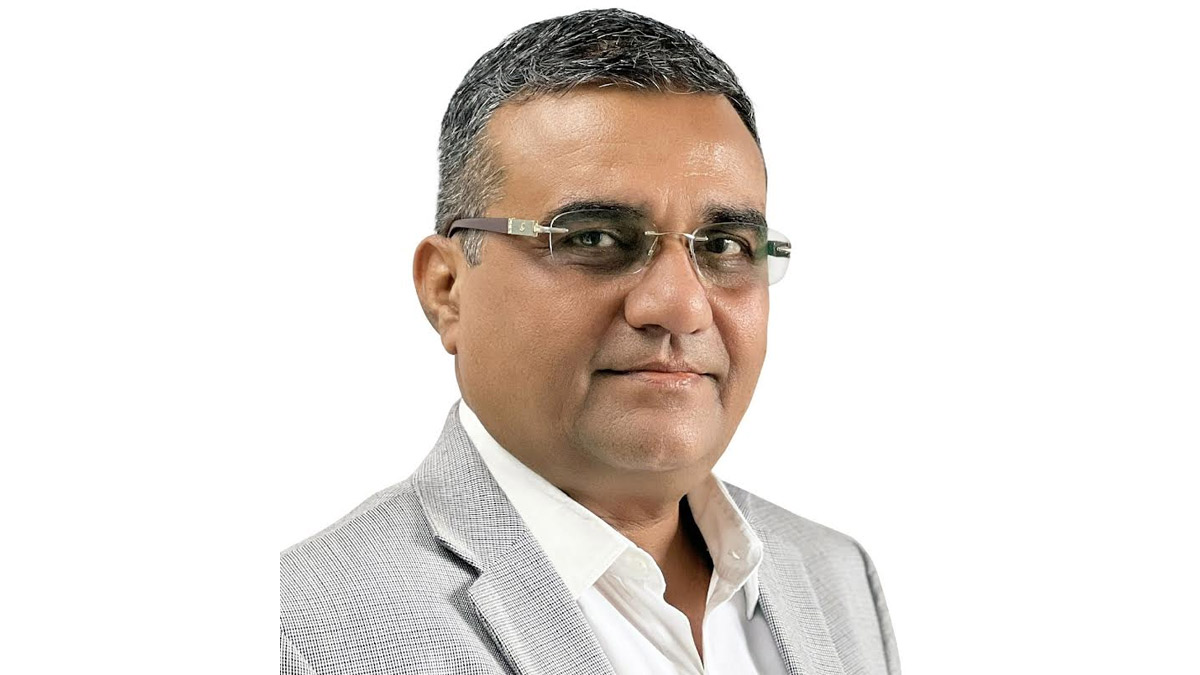
MUMBAI: A new chief, a fresh diagnosis and a sharper prescription for growth. Beacon Group has appointed Dr Rajesh Patel as its Group Chief Executive Officer, effective April 1, 2026, signalling a decisive push to scale its presence in the diagnostics and IVD space. Patel steps into the role with 36 years of experience across the healthcare and diagnostics industry, bringing a career shaped by leadership roles spanning sales, marketing, business development and operational strategy. His mandate is both expansive and precise: to steer the group’s overall strategic direction while tightening coordination across its three core entities Beacon Diagnostics, Vector Biotek and Biogeny Diagnostics.
In practical terms, that means driving cross-company synergies, accelerating market expansion and strengthening organisational capability areas increasingly critical as diagnostic players compete for scale in a fragmented yet rapidly evolving healthcare ecosystem. The group is positioning itself to capture unmet demand across chain laboratories, key accounts and standalone labs, segments that remain underserved despite growing diagnostic needs.
The appointment comes at a time when the In Vitro Diagnostics (IVD) sector in India is entering a more competitive and innovation-led phase, with companies focusing not just on product pipelines but also on service delivery, integration and customer-centric models. Beacon’s leadership appears to be betting that Patel’s execution-focused approach can help translate ambition into operational momentum.
Welcoming the appointment, Chairman Dr D K Joshi described Patel’s induction as a strategic move aligned with the group’s long-term vision, emphasising the role of leadership depth in navigating the next phase of growth.
For Beacon Group, the message is clear, in a sector where precision matters, leadership is the new differentiator—and this appointment is intended to set the tone for what comes next.






