MAM
An evening dedicated to D-CODEing the digital landscape

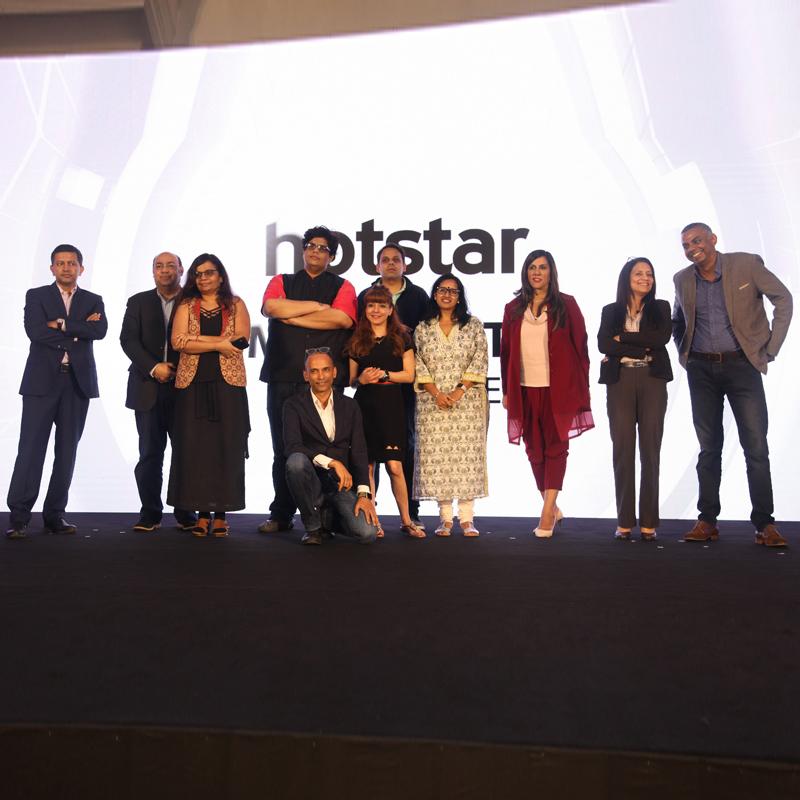
Mumbai, 1st August, 2018: The ballroom at a posh city hotel transformed into an interaction and learning hub as the leaders of Indian media, marketing and advertising industry gathered together at The Advertising Club’s maiden edition of D-CODE: The Annual Digital Review 2018. The panel asked its members to share an example of their own work, one work they admire and 3 learnings they would want to share with the audience.
On the stage were Ajit Mohan- CEO, Hotstar, Anupriya Acharya- CEO Publicis Media, Anuradha Aggarwal- CMO, Marico, Arun Iyer- Chairman & CCO, Lowe Lintas, Juhi Kalia- Head of India & Anthology APAC for Creative Shop, Facebook, Rahul Johri- CEO, BCCI, Mohit Kapoor- VP Advertising, Reliance JIO, Sam Singh- CEO- South Asia, GroupM, Sapna Chadha- Head of Marketing, India and SEA, Google, Siddharth Banerjee- EVP, Marketing, Vodafone and Tanmay Bhat- Co-Founder, AIB.
Vikram Sakhuja, President, The Advertising Club, said, “The Advertising Club has been at the forefront of driving the A&M industry’s excellence agenda. We are constantly creating forums that enhance the learning curve of the fraternity. With D-CODE we have created another engaging property that bring together the industry to debate and deliberate on the stimulating issues of the digital ecosystem.”

Aditya Swamy – Managing Committee Member, The Advertising Club said: “I have always believed in the power of colabs. Inspire and be inspired was the theme of D-CODE and bringing together key stakeholders across the industry to crack the digital code was an exciting idea. From my days at MTV where we looked to marry pop culture and brands to now at Google where we unlock the power of digital and tech to deliver value to advertisers, this is a journey that only throws up more and more interesting opportunities. I look forward to being in the center of this equation as we build centers of excellence.”
Punitha Arumugam – Managing Committee Member, The Advertising Club said: “Our endeavor while curating D-CODE was to create a platform that would showcase pioneering work on Digital and facilitate ideas exchange within the fraternity. We have tried to bring representation of all facets of digital with the versatile panel of stalwarts from across the M&E industry.”
The five key learnings that the advertising, digital and marketing mavens agreed upon were:
1) Digital is a medium that everyone is experimenting with and no one exactly knows how to ‘crack-it’. The need of the hour is to approach it with an open mind, keep experimenting and learning from one’s own and each other’s strategies.
2) Digital as a medium does not exist in a silo. All that media needs are great ideas, beautiful craft and creative people who can utilize the right tools to gain success.
3) One needs to invest in the right marketing technology, tools, talent and partnerships.
4) To execute successful digital campaigns, one needs to fully leverage digital signals, customize messaging, employ data and have performance oriented goals.
5) Partnerships are critical in making digital campaigns effective. Scale for both a campaign and digital as a medium of marketing can be amplified when the power of partnerships is harnessed.
With a galaxy of the who’s who of the media, advertising and digital industries in attendance, the debut edition of D-CODE was off to a fantastic beginning.






Brands
DeVANS sparks buzz with self-chilling beer can April Fools campaign
Godfather stunt racks up 7 million impressions, blending humour with hype
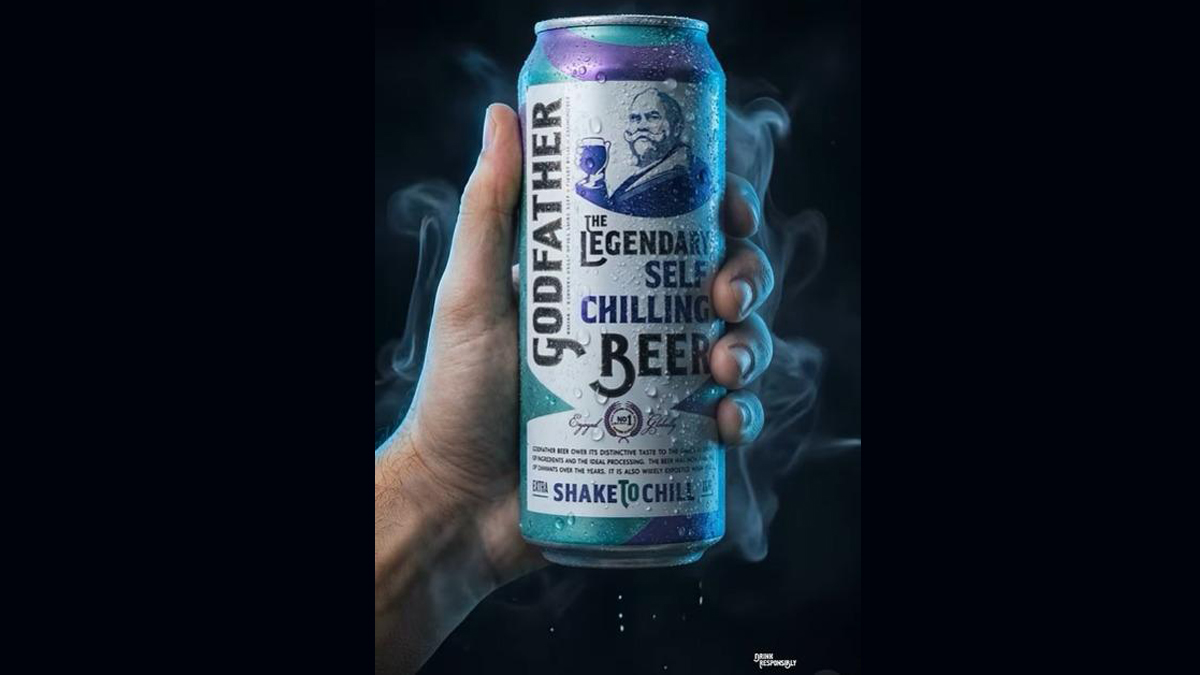
NEW DELHI: DeVANS Modern Breweries has stirred up the marketing pot with a playful yet high-impact campaign teasing a futuristic “self-chilling beer can” under its flagship Godfather label.
What began as a seemingly bold product innovation quickly turned into one of the most talked-about brand moments online, before being revealed as an April Fools’ Day prank. The reveal, however, did little to cool the buzz.
The campaign clocked over 7 million organic impressions across platforms including LinkedIn, Instagram, Facebook and X, with users debating whether the concept was a genuine breakthrough or clever marketing theatre. Thousands of shares and comments turned the idea into a full-blown conversation, drawing in both consumers and industry insiders.
The hook was simple but effective. A self-chilling can positioned as an on-the-go convenience product tapped into the imagination of younger, urban audiences. Add the timing around April Fools’ Day, and the campaign struck the perfect balance between curiosity and scepticism, keeping audiences guessing.
Marketing experts have pointed to the campaign as a case study in leveraging cultural moments. By leaving just enough ambiguity, the brand invited audiences to participate rather than simply observe, turning passive viewers into active contributors to the narrative.
“Godfather has always been an iconic brand, but iconicity must evolve to stay meaningful,” said DeVANS Modern Breweries chairman and managing director Prem Dewan. “The ‘Self-Chilling Can’ was our way of showing up in a cultural moment with confidence and a sense of humour.”
Beyond the numbers, the campaign signals a broader repositioning for Godfather. Long seen as a legacy beer brand, it is now leaning into youth culture, digital-first storytelling and topical engagement to stay relevant in a crowded alcobev market.
In a space where attention is fleeting, DeVANS has shown that sometimes the coolest idea is the one that keeps people guessing.






