Brands
Amazon Fresh serves up a feast across 270 cities

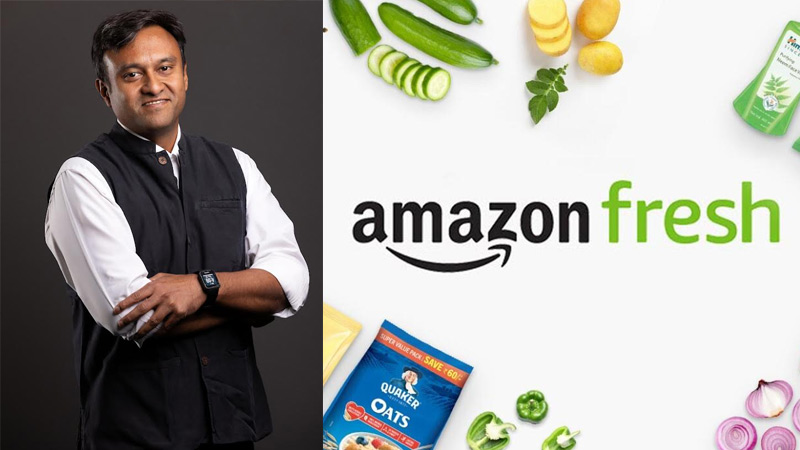
MUMBAI: Talk about a shopping sprint. Amazon Fresh is racing ahead this festive season, now available in more than 270 cities across India. The expansion, timed with the Amazon Great Indian Festival (AGIF), marks a 4.5 times growth in reach in just two years and a 40 per cent year-on-year surge in orders within the first two days of AGIF.
From Gorakhpur to Coimbatore, Jalandhar to Hubli, and Jamshedpur to Vellore, customers can now access over 40,000 products delivered to their doorsteps in convenient two-hour slots. The selection spans farm-fresh fruits and vegetables, staples, dairy, packaged foods, frozen items, personal care, beauty, baby and pet essentials, as well as 3,000 regionally loved favourites, including Rajdhani atta, Eastern masalas, GRB sweets, and Sri Bhagyalaxmi staples.
Amazon Fresh India director Srikant Sree Ram said, “Amazon Fresh has grown 4.5 times in reach and 10 times in selection in just two years, transforming how families across India shop for groceries online. By expanding to over 270 cities, we are bringing everyday essentials and festive favourites to more households than ever before. This has been possible thanks to the growth of our seller network and our advanced delivery capabilities, creating one of India’s largest omnichannel grocery networks.”

The initiative is powered by a robust farm-to-doorstep network, working with over 13,000 registered farmers. Every product undergoes a four-step quality process including local collection point inspections, grading and sorting, temperature-controlled storage, and final quality checks to ensure freshness and reliability.
More Retail Limited (MRL), a seller on Amazon Fresh, reported that converting more than 370 offline stores to serve Amazon Fresh customers has fueled a 65 per cent year-on-year growth in 2024, which continues to rise during AGIF.
During the festival, shoppers can snap up deals starting at just Rs 1 and claim a maximum cashback of Rs 400 on their grocery baskets. Diwali décor essentials, including lights, rangoli kits, and traditional sweets, have also been added, giving families the convenience of festive shopping alongside daily essentials. Every weekend, Amazon Fresh Super Value Days provide extra savings on weekly groceries and household products.
With over 40,000 products now on offer, a 10-fold increase from just 4,000 in 2023, Amazon Fresh is bridging the gap between farm and doorstep while celebrating regional diversity. This blend of convenience, variety, and freshness makes online grocery shopping effortless, helping families save time and focus on celebrating with loved ones.
Amazon Fresh, available across 300 cities, delivers products through a temperature-controlled supply chain, combining value, wide selection, and fast delivery. From staples to fresh produce and personal care, the service ensures customers enjoy quality and convenience with personalised features that make shopping seamless.


Brands
IndiGo names William Walsh CEO
Former IATA chief to take charge in August after Elbers exit, Bhatia steers interim
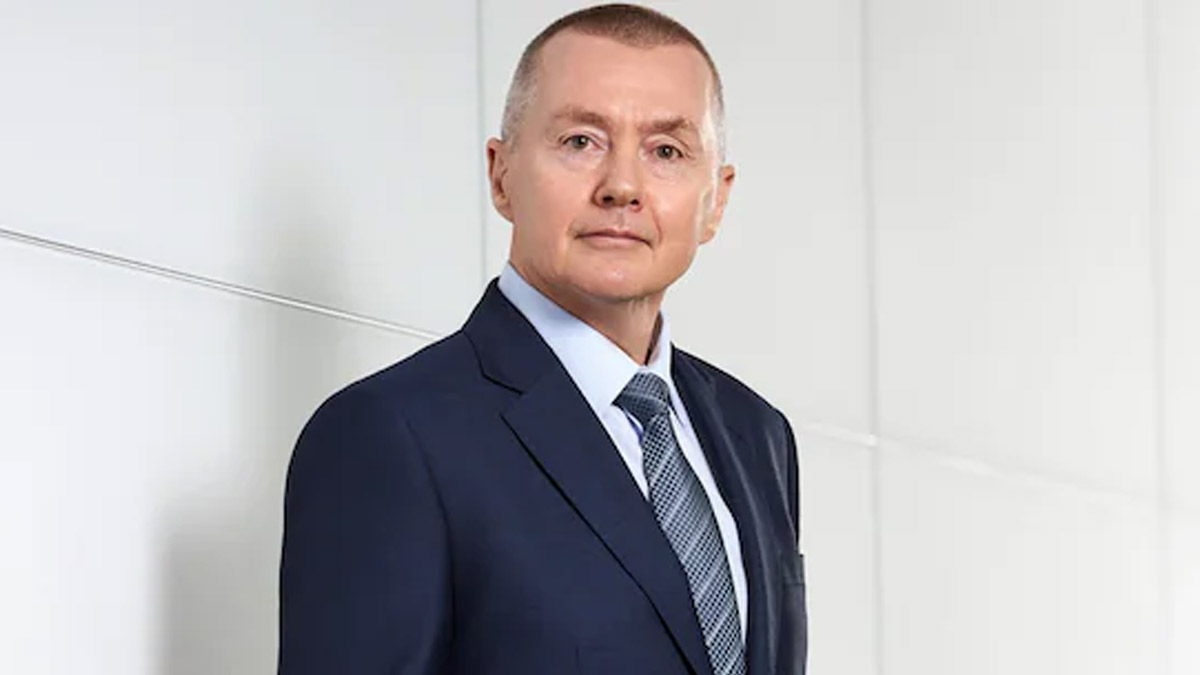
India’s biggest airline has moved fast and gone global. InterGlobe Aviation, which operates IndiGo, has tapped aviation heavyweight William Walsh as chief executive officer, subject to regulatory approvals, marking a sharp pivot as the carrier eyes its next burst of expansion.
Walsh, currently director general at the International Air Transport Association, will step down on July 31, 2026, and is expected to take charge by August 3. The appointment comes barely three weeks after Pieter Elbers exited the corner office, with Rahul Bhatia holding the fort in the interim.
The choice signals intent. Walsh brings decades of cockpit-to-boardroom experience, having led British Airways and later International Airlines Group, the parent of Aer Lingus, Iberia and Vueling. His tenure across carriers has been defined by hard resets, restructurings and cross-border consolidation—skills IndiGo may need as competition intensifies and scale becomes decisive.
Vikram Singh Mehta, chairman and non-executive independent director of IndiGo, said Walsh’s experience in managing large-scale airline operations and navigating complex market dynamics makes him well-suited to lead IndiGo in an increasingly competitive global aviation environment, adding that the appointment marks a new chapter as the airline scales in one of the world’s fastest-growing markets.
Rahul Bhatia said Walsh’s global perspective, operational expertise and customer-focused approach would be critical as IndiGo enters its next phase of expansion.
Walsh, widely regarded as one of the industry’s most influential figures, will oversee overall management and strategic direction, with a mandate spanning operational performance, network expansion, commercial strategy and customer experience. He is expected to work closely with the board and leadership team to sharpen IndiGo’s growth trajectory.
Walsh said IndiGo has a strong foundation and is well-positioned to capitalise on the evolving aviation landscape, adding that he looks forward to fostering a culture of excellence, innovation and sustainable value creation across the organisation.
A new captain, a bigger runway—and a market that rewards scale. IndiGo is lining up for its next take-off.