Digital Agencies
amarujala.com among top three news websites of south Asia

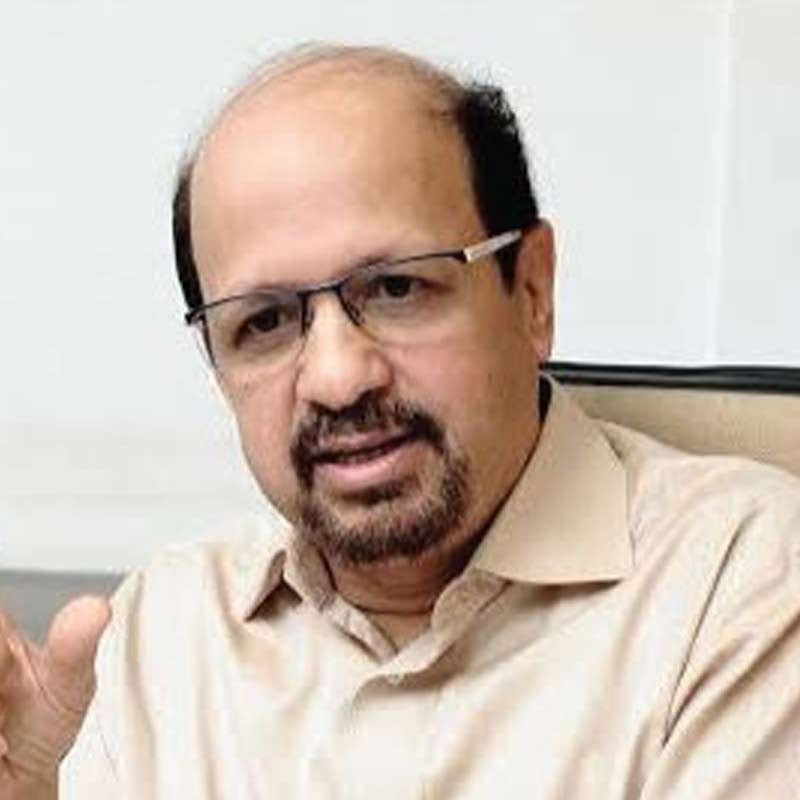
NEW DELHI: amarujala.com, the website of the Hindi newspaper Amar Ujala, has won the WAN-IFRA award for one of the top three news websites in south Asia.
Competing against big media houses across south Asia, amarujala.com’s victory signals two important trends: firstly, the fact that the industry is paying attention to the leading voices in Hindi on digital, and secondly, the fact that Amar Ujala’s focus on global standards of product and design is paying off. It may signal a completely different approach to the Hindi audiences, according to the World Association of Newspapers.
Amar Ujala director Probal Ghoshal said: “Amar Ujala’s vision for digital media is built into its brand vision of creating a world-class experience for the Hindi user, wherever they are in the world. We are therefore creating rich and hyper-engaged media vehicles, which intend to bring the world to the local audience and carry the local audience to the Hindi diaspora. Our vision is integrated and interactive, and it allows brands to partner with us cross-media. We are expanding our media platform making it video-rich and allowing the user’s voice a part of the experience of the platform.”

Amar Ujala relaunched its website early this year, making it fully responsive, with a clean design, new interactive features and non-intrusive advertising approach. Feature to feature, Amar Ujala has upped the game and matches the best of English news websites, even bettering them, in unique feature sets. This went against the approach taken by most existing Hindi news websites, which were focusing more on quantity of page views, and monetization through distracting and intrusive advertising.
“As a cultural icon, Amar Ujala sets the standards for Hindi & so we’ve brought the best practices of global design & packaging with a focus on re-positioning Hindi & its audiences,” said Amar Ujala digital business creative and product head Arvind Joshi.
WAN-IFRA chose Amar Ujala taking into account website design, product, innovation, and audience fitment. With the digital monetization of news space trying to go beyond display and network advertising, these innovations will lead the way for business strategy as well.
Himanshu Gautam, business head, Amar Ujala Digital, explained the importance of the new website in the context of Amar Ujala’s business objectives, “This is just the first phase of our roll-out plan, aiming at creating new kinds of rich user experiences, which in turn create high-value monetisation opportunities. We refuse to commodify our users by linking our business with just page views.”







BENGALURU: For years, creative teams have learned to live with ambiguity. Vague comments, last-minute changes, feedback that arrives without context, clarity, or conviction. It became part of the job – something teams worked around rather than getting it solved.
But as we head into 2026, that tolerance is wearing thin.
Creative work today moves faster, scales wider, and involves more stakeholders than before. Teams are producing more content across more formats, often with distributed collaborators and tighter timelines. In this environment, guesswork is no longer a harmless inconvenience. It’s a cost – to time, to budgets, and to creative mindspace.
The real problem isn’t feedback, it’s how it’s given
Most creative professionals you see today will tell you they’re not against feedback. In fact, they rely on it. Good feedback sharpens ideas, strengthens execution, and pushes work forward. The problem is ‘unclear’ feedback. When someone says “this doesn’t feel right” without context, they aren’t just revising – they’re basically decoding. They’re guessing what the problem might be, trying different directions, and burning time in the process. Multiply that by a few stakeholders and a few rounds, and suddenly days disappear.
In 2026, when teams are expected to deliver faster without compromising quality, interpretation is a luxury most can’t afford.
Scale has changed rverything
Creative projects used to be smaller and simpler. A designer, a manager, maybe one client contact. Feedback loops were short, even if they weren’t perfect.
Today, the same project might involve internal marketing teams, agencies, freelancers, brand reviewers, and regional teams. Everyone has a say. Everyone leaves comments. And often, those comments don’t agree. More people reviewing work means alignment matters more than ever. Clear feedback isn’t just about being nice to creative teams, it’s about keeping projects moving when complexity increases.
Guesswork quietly wears teams down
One of the less talked-about impacts of unclear feedback is what it does to people.
When feedback is vague or contradictory, creatives second-guess their decisions. They hesitate. They overwork. They keep extra time buffers “just in case.” Over time, confidence drops. Ownership fades. Work becomes safer, not stronger. Creative energy gets spent on managing uncertainty instead of pushing ideas forward. And in an industry already grappling with burnout, unclear feedback adds unnecessary mental load.
Actionable feedback is a shared skill
Clear feedback doesn’t mean controlling creative decisions or dictating every detail. It means being specific enough that someone knows what to do next.
Actionable feedback answers three basic questions:
What exactly needs attention?
Why does it matter?
What outcome are we aiming for?
This applies whether you’re reviewing a video frame, a design layout, or a copy draft. The clearer the feedback, the fewer follow-ups it creates. In 2026, teams that treat feedback as a skill and not an afterthought, will move faster with less friction.
Tools shape behaviour (whether we admit it or not)
The way feedback is delivered is often dictated by the tools teams use. Comments buried in long email threads, messages split across chat apps, or notes detached from the actual work all contribute to confusion.
When feedback lives outside the work, context often gets lost. When it’s disconnected from versions and timelines, decisions get questioned. When it’s scattered, accountability disappears. More teams are starting to realise that feedback problems aren’t just communication issues, they’re workflow issues. How work moves between people matters just as much as the work itself.
From Opinions To Alignment
One of the biggest shifts happening in creative teams is a move away from purely opinion-driven feedback. Instead of “I like this” or “I don’t,” teams are asking better questions:
● Does this meet the brief?
● Does this solve the problem?
● Does this align with the goal?
This change reduces unnecessary back-and-forth and helps feedback feel less personal and more productive. It also makes decisions easier to explain and defend. As creative work becomes more strategic, feedback has to support that shift.
2026 Is About Fewer Loops, Not Faster Loops
There’s a misconception that speed means moving through feedback cycles faster. In reality, the most creative teams aren’t just accelerating loops, they’re reducing them. Clear, actionable feedback upfront leads to fewer revisions later. Clear approval stages prevent last-minute surprises. Clear decisions stop work from circling endlessly.
In 2026, efficiency won’t come from working harder or longer. It will come from designing workflows that respect creative time and attention.
Ending guesswork is a mindset change
Ultimately, ending creative guesswork isn’t just about better tools or processes. It’s about mindset. It’s about recognising that clarity is an act of respect – for the work, for the people doing it, for the time invested and for the mindspace used. It’s about moving from “figure it out” to “here’s what we’re aiming for.”
Creative teams that embrace this shift will find themselves not only delivering faster, but also enjoying the process more. And in an industry built on imagination, that might be the most valuable outcome of all.






