MAM
Akshayakalpa Organic launches ‘Good Food Talks’ video podcast series

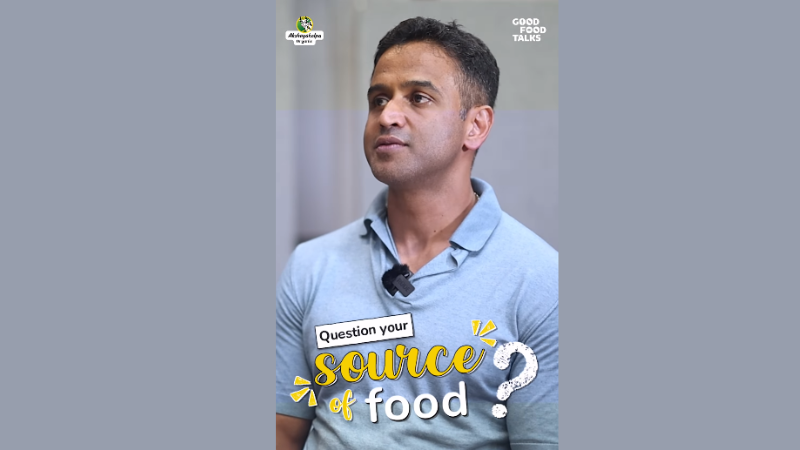
Mumbai: Akshayakalpa Organic, an organic dairy and food brand, has launched its new video podcast series under the title ‘Good Food Talks’. Through this series, the brand intends to increase awareness among consumers about the source and quality of food and its future, as well as the fast-growing health and fitness awareness in modern society.
‘Good Food Talks’ is envisioned as a podcast series where thought leaders, industry experts, and health enthusiasts can express their opinions on the changing world of food and wellness. Each episode will bring viewers closer to home with regard to the importance of organic and healthy eating habits, the journey of food from farm to table, and the broader implications of our food choices on health.
The first episode features Nithin Kamath, an established entrepreneur and the co-founder of Zerodha. The conversation touches upon many various aspects of food and health. These include knowing the origin of our food, the benefits of choosing organic and understanding good food and its impact on our health. It also features topics like the public shift in consciousness over the last 10 to 20 years to healthier living and fitness. Nithin Kamath further shares his personal journey and thoughts on the importance of making informed food choices and how these choices contribute to overall well-being.

Zerodha founder and CEO Nithin Kamath remarked, “The entire Rainmatter Health team keep questioning the source of the food we all consume which led us to investing in startups across various food categories like milk, eggs, vegetables and cereals. With this initiative, Akshayakalpa will nudge more Indians to think about what they consume and how it affects their health.
Akshayakalpa Organic co-founder and CEO Shashi Kumar stated, “We are excited to bring out a series on the Good Food Movement as part of our continuous initiatives to educate and engage the community on the importance of organic and healthy eating. We want to empower consumers to question the source of their food through such conversations, further raising awareness around what they consume.”
The video also discusses the importance of soil health in producing high-quality, more nutritious food. The soil in which food is grown plays an important role in determining its nutrient content and overall health benefits. Healthy soil supports rich plant growth, enhances the flavor of produce, and reduces the need for additional chemical additives, ultimately leading to better food quality.
Akshayakalpa Organic is a company committed to changing the way people eat through healthy organic dairy and food products. In pursuit of the vision ‘Healthy World, Happy World’, Akshayakalpa Organic closely associates with farmers to ensure the highest standards of organic farming and animal welfare.
The first episode of “Good Food Talks” featuring Nithin Kamath is now live on the official YouTube channel and website of Akshayakalpa Organic.






MAM
Ogilvy appoints Carol Reed as Global Chief Innovation Officer
Advertising veteran joins to drive human-first innovation in an AI-powered world.
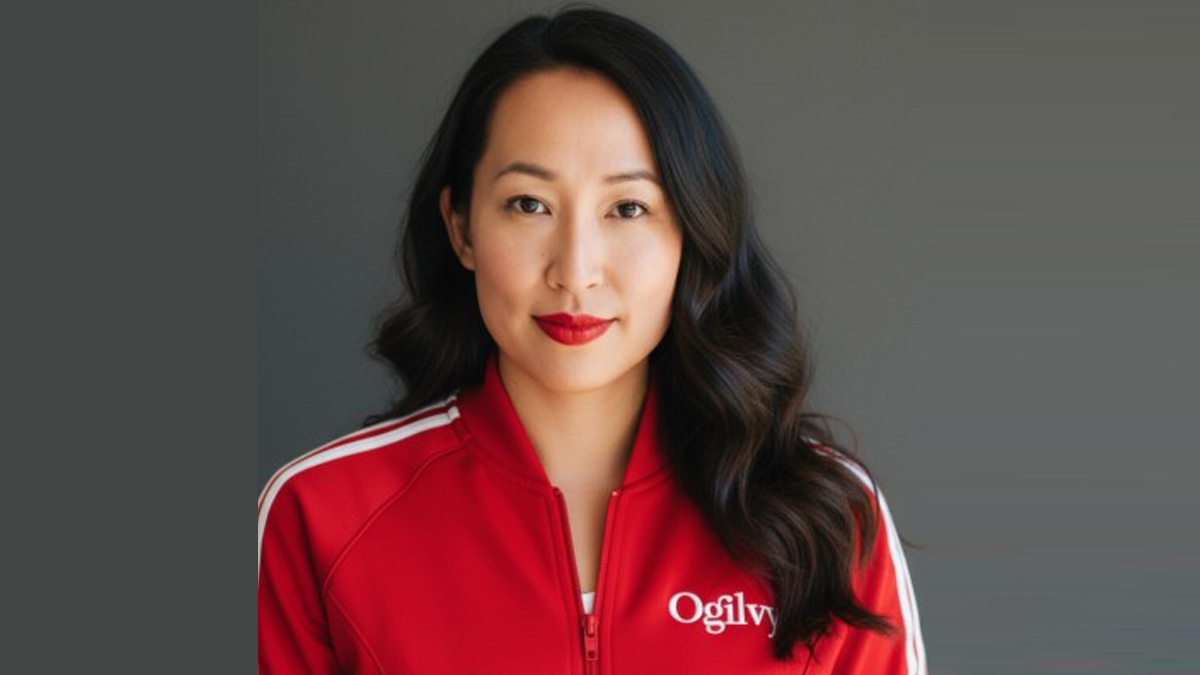
MUMBAI: Carol Reed has found a new creative canvas and this time, she’s bringing her innovation brush to one of advertising’s most iconic names. Ogilvy Group has appointed Carol Reed as its new global chief innovation officer. Reed, who previously served as Chief Innovation Officer at WPP Open X, brings deep expertise at the intersection of creativity, technology, media, and commerce.
In a note announcing her move, Reed said she was drawn to Ogilvy because of its unmatched legacy. “The most powerful thing AI can do is make human creativity more extraordinary not replace it,” she stated. “This is an agency with something no algorithm can replicate, a 78-year legacy of ideas that change culture and drive real business results.”
Reed will focus on building new products, platforms, and partnerships to amplify Ogilvy’s creative heritage for clients and its global talent network. She will work closely with Global CEO Laurent Ezekiel and global chief creative officer Liz Taylor.
Her career began at Publicis Groupe’s Digitas as an associate media planner. She later moved to Omnicom Media Group and rose to senior vice president and programmatic lead at Digitas, where she built an in-house programmatic team of over 40 members. Most recently, at WPP, she served as executive vice president for data and product marketing.
With her appointment, Ogilvy strengthens its innovation leadership as the industry navigates rapid advancements in AI and technology.
From building programmatic teams to championing human creativity in an AI era, Carol Reed has consistently stayed ahead of the curve. Her arrival at Ogilvy signals a fresh push to blend cutting-edge innovation with the agency’s legendary creative spirit.






