MAM
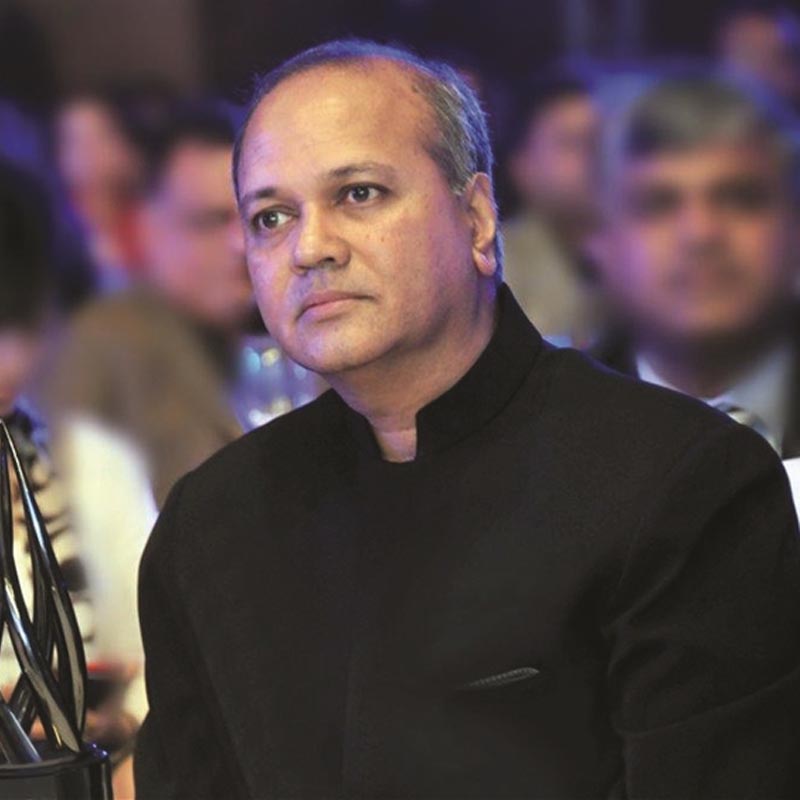
Ajay Chandwani is new Percept H CEO

MUMBAI: Percept H, a joint venture between Percept and Japanese firm Hakuhudo, has roped in former SSC&B Lintas president Ajay Chandwani as chief executive officer of the company.
The vacancy was created after CEO Rajesh Pant was moved to head Posterscope MENA (Middle East and North Africa), as part of Percept’s plans to spread its footprint across the globe. Percept H offers services like account management, account planning, creative and market research and has a wide range of clients including Bharti, Siyaram, Bajaj Tempo and Sahara.
Chandwani was responsible at SSC&B for gaining brands like Mercedez Benz, Hexit, Philips, Parachute, Kissan, Walls Max candy, Green label whisky, Hero Group, Vardhman Group and Moser Baer.
Assisting Chandwani is Prabhakar Mundukur who has joined as chief operating officer. He was earlier with J Walter Thompson where he worked as business development director.
Pant, who would have been based out of Dubai, was given the responsibility of setting up a whole new division in Posterscope MENA, but has decided instead to explore new opportunities.
Percept is now scouting for a CEO of Posterscope MENA to replace Pant. The Indian operations of Posterscope started in 2003 and the company quickly rose to become the top five outdoor agencies in the country. It has clients like Airtel, Pilsbury, Pantaloon, Sahara India and Afro Asian Games.

Pursuing its global plans, Percept Group’s celebrity management and event marketing arm Percept D’Mark (PDM) recently set up its international operations out of Dubai. Sanjay Lal, who was founder and executive director of PDM India, has moved to Dubai as managing director and CEO of PDM International. Preeta Singh, earlier with O&M, has been put in charge of PDM India.
Pant, meanwhile, has joined Mirza Tanners Ltd (makers of the well known footwear brand Red Tape) as director for a new division that the company has launched. Pant has been appointed as director Red Tape Asia, his ambit being to expand the Red Tape product line beyond just high-end footwear into a fashion brand. Pant will also have the responsibility of setting up a retail chain of Red Tape “lifestyle” stores across Asia and the Middle East (India included of course).


Brands
Hyundai Motor India rolls out nationwide AC check-up camp from April 10
Limited-period service drive offers discounts, free checks to beat summer heat
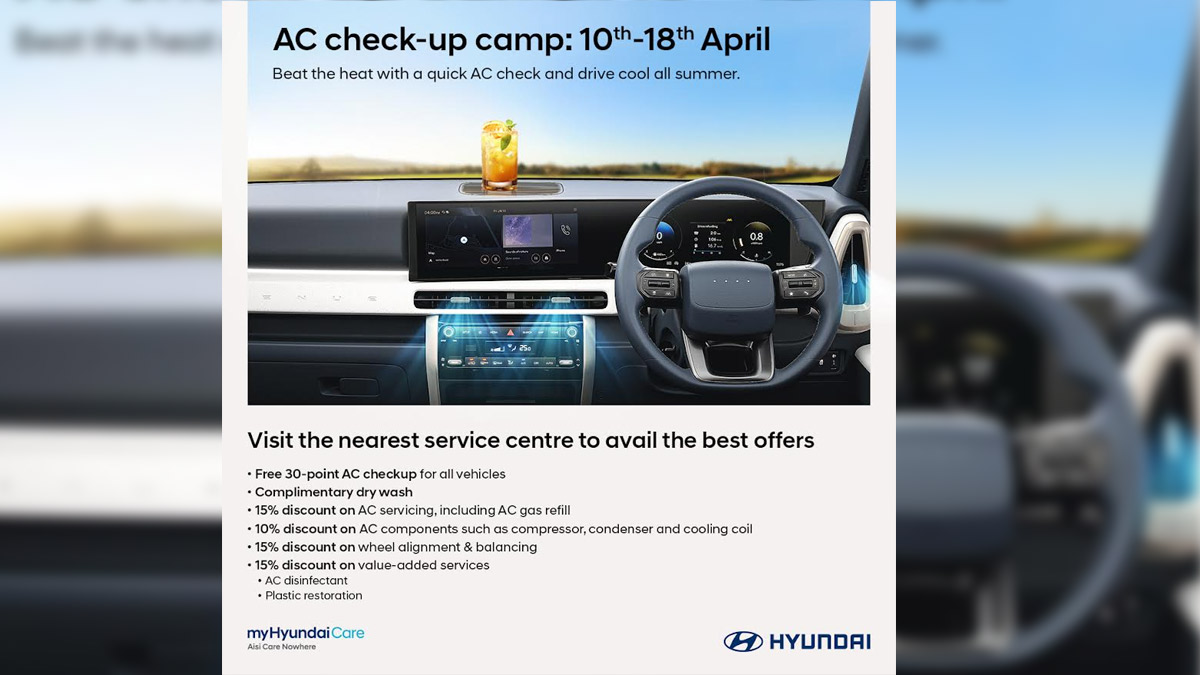
GURUGRAM: Hyundai Motor India Limited has announced a nationwide AC check-up camp, rolling out from April 10 to April 18, as temperatures climb and car cabins begin to feel the heat.
The initiative is designed to keep vehicles cool and customers comfortable, offering a mix of free inspections, discounted services and value-added benefits across Hyundai’s extensive service network in India.
As part of the limited-period campaign, customers can avail a complimentary 30-point vehicle check-up along with a free dry wash. The company is also offering a 15 per cent discount on AC servicing, including gas refills, and similar savings on wheel alignment and balancing. Key AC components such as compressors, condensers and cooling coils will be available at a 10 per cent discount, while value-added services like AC disinfectant treatments and plastic restoration also come with reduced pricing.
The camp will be hosted across authorised Hyundai workshops nationwide, allowing customers easy access to trained technicians, genuine parts and diagnostic support without the usual hassle.
Speaking on the initiative, Hyundai Motor India Limited national service head Nilesh Shah said, “At HMIL, customer satisfaction and convenience remain at the core of our service philosophy. With the onset of summer, we are pleased to introduce our nationwide AC check-up camp to ensure that our customers enjoy a comfortable and hassle-free driving experience. This initiative reflects our commitment to delivering proactive care and enhancing vehicle performance through our strong service network across India.”
With mercury levels on the rise, Hyundai’s timely service push aims to ensure drivers stay cool behind the wheel while also nudging them towards preventive maintenance, a small check today that could save a larger repair tomorrow.






