MAM
AET Global entrusts Su Piow Ko, VP of AET Global, With an additional charge as the CEO of India

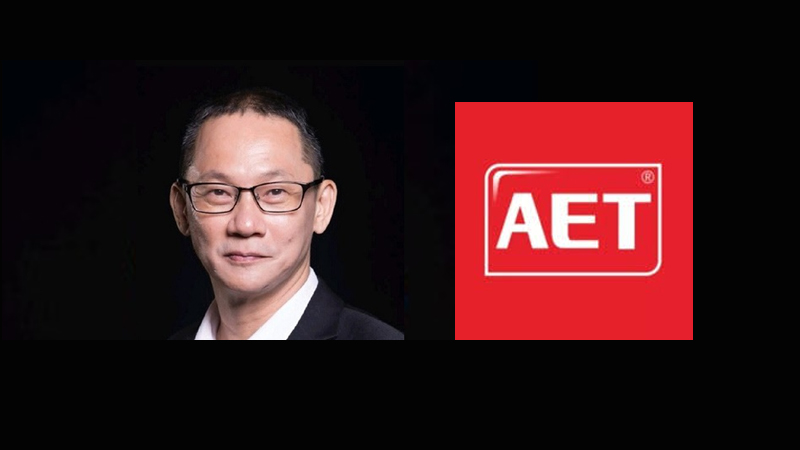
Mumbai: AET Displays, a renowned industry expert in fine-pitch LED displays, has entrusted Su Piow Ko, vice president of AET Global, with an additional charge as the CEO for India. With over three decades of experience in LED technology, Ko brings a wealth of expertise to his new position.
Under his guidance, AET aims to push the boundaries of technological advancement, expand its market presence, optimize after-sales support services, and forge strategic partnerships that drive sustainable growth in India. Having officially entered the Indian market on October 26, 2023, AET expeditiously solidified its foothold, offering over 50 products and boasting more than 2000 installations nationwide. In addition, AET strategically operates one assembly plant, three offices, three customer experience centres, and five service centres throughout the country, ensuring extensive coverage and support for its clientele.
AET Global vice president Su Piow Ko expressed his enthusiasm about his new role, stating, “I am honoured to take on the responsibility of CEO, India, at AET. India presents immense opportunities for growth and innovation in the LED display industry, and I am excited to guide AET in achieving excellence and surpassing customer expectations in this dynamic market. My vision extends beyond establishing AET as a leader in the LED sector in India; I am also dedicated to bolstering the nation’s economy through our commitment to local manufacturing.”

Ko’s journey in the LED technology sector began over 30 years ago, quickly ascending through the ranks on account of his outstanding leadership skills and technical proficiency. His 7-year tenure at Siemens as a Senior Production Operation Manager provided him with invaluable experience in managing large-scale manufacturing operations and optimizing efficiency.
Prashant Srivastava, head of international marketing, praised Su Piow Ko’s appointment, affirming, “Su Piow Ko’s demonstrated leadership and comprehensive understanding of market dynamics make him a valuable asset to AET’s strategy in India. His forward-thinking approach will enable us to promptly adapt to market fluctuations and capitalize on emerging trends, ensuring enduring success in India’s competitive LED arena. With his years of knowledge and experience, I am confident that AET India will benefit from his ability to cultivate a collaborative and respectful culture, fostering innovation and productivity among the team.”


MAM
Beacon Group appoints Dr Rajesh Patel as Group CEO
36-year healthcare veteran to lead Beacon Diagnostics, Vector Biotek, Biogeny.
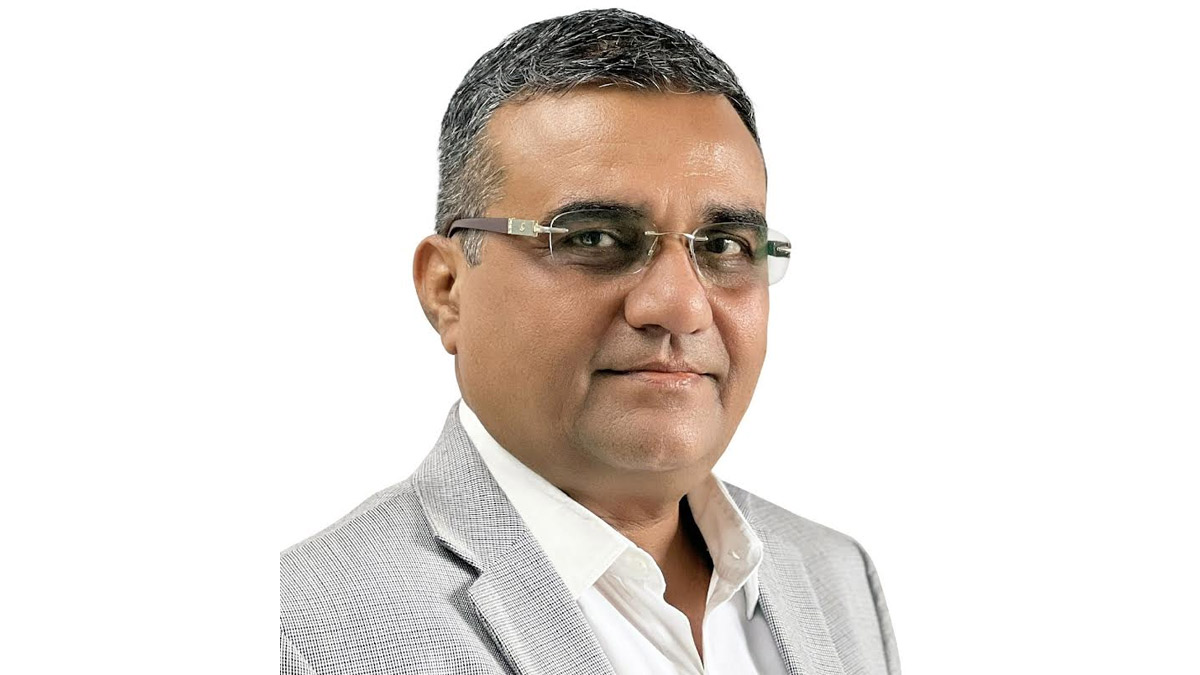
MUMBAI: A new chief, a fresh diagnosis and a sharper prescription for growth. Beacon Group has appointed Dr Rajesh Patel as its Group Chief Executive Officer, effective April 1, 2026, signalling a decisive push to scale its presence in the diagnostics and IVD space. Patel steps into the role with 36 years of experience across the healthcare and diagnostics industry, bringing a career shaped by leadership roles spanning sales, marketing, business development and operational strategy. His mandate is both expansive and precise: to steer the group’s overall strategic direction while tightening coordination across its three core entities Beacon Diagnostics, Vector Biotek and Biogeny Diagnostics.
In practical terms, that means driving cross-company synergies, accelerating market expansion and strengthening organisational capability areas increasingly critical as diagnostic players compete for scale in a fragmented yet rapidly evolving healthcare ecosystem. The group is positioning itself to capture unmet demand across chain laboratories, key accounts and standalone labs, segments that remain underserved despite growing diagnostic needs.
The appointment comes at a time when the In Vitro Diagnostics (IVD) sector in India is entering a more competitive and innovation-led phase, with companies focusing not just on product pipelines but also on service delivery, integration and customer-centric models. Beacon’s leadership appears to be betting that Patel’s execution-focused approach can help translate ambition into operational momentum.
Welcoming the appointment, Chairman Dr D K Joshi described Patel’s induction as a strategic move aligned with the group’s long-term vision, emphasising the role of leadership depth in navigating the next phase of growth.
For Beacon Group, the message is clear, in a sector where precision matters, leadership is the new differentiator—and this appointment is intended to set the tone for what comes next.






