MAM
Aegis Media acquires China’s Trio Digital


MUMBAI: Aegis Media acquired Trio Digital Integrated, a full-service digital agency in China.
The acquisition will see Trio rebranded as Trio Isobar and become part of the Isobar China group, which already includes wwwins Isobar and OMP.
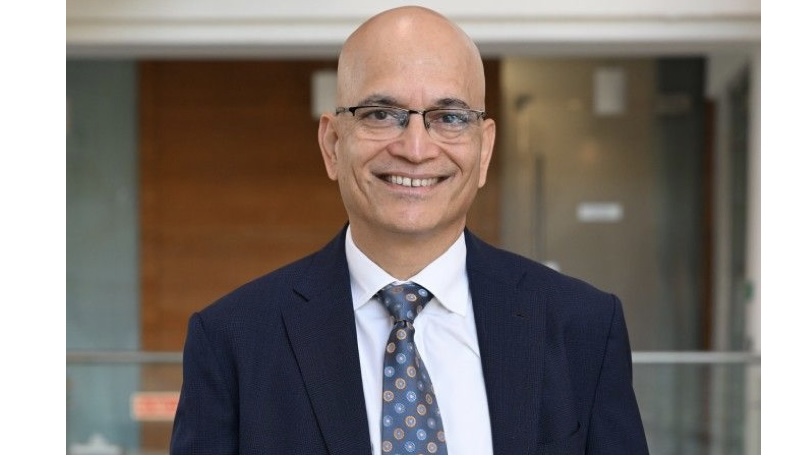
Chris Chen will continue as CEO and executive creative director of Trio Isobar, supported by general manager April Chang and deputy general manager Britney Pai.

Commenting on the acquisition, Aegis Media Asia Pacific CEO Nick Waters said, “Trio is a top class digital marketing agency with high quality creative credentials. Bringing Trio into the group adds another dimension to our market leading digital capabilities in China. This is an exciting move and we welcome Chris and his team to the company.”
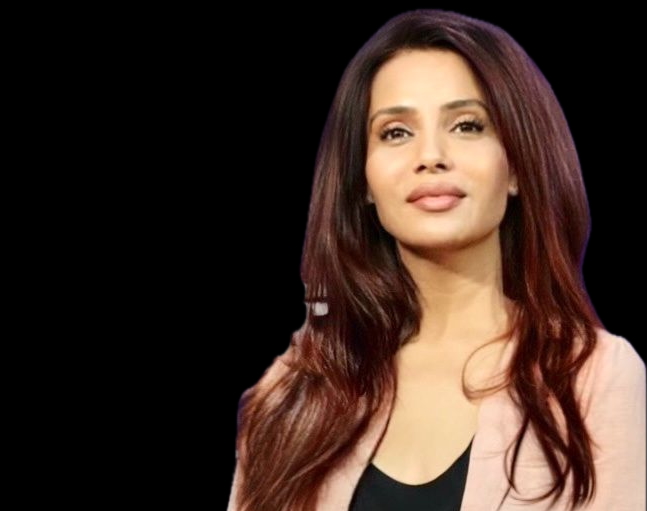
Isobar Asia Pacific CEO and global chief strategy officer Jean Lin added, “Trio offers great credibility in China when it comes to integrated creative and digital innovation, not to mention the agency’s pioneering spirit and strength of talent – something Isobar is always on the lookout for around the world. The addition of Trio will make Isobar one of the largest digital marketing agency networks, with over 700 digital specialists in China, including wwwins Isobar and OMP.”
“Isobar’s reputation is strong in China, so when the opportunity arose to join the Aegis Media network, it was an obvious decision and one that will grow our business exponentially,” Trio Isobar CEO and ECD Chris Chen said, adding, “Isobar’s full-service digital focus and scope also allows us to connect with clients across Aegis Media in China and provide increased capabilities across the network.”

MAM
Ameya Velankar steps down as Uber’s head of marketing for India & South Asia
Veteran marketer exits after more than seven years with the ride-hailing giant.
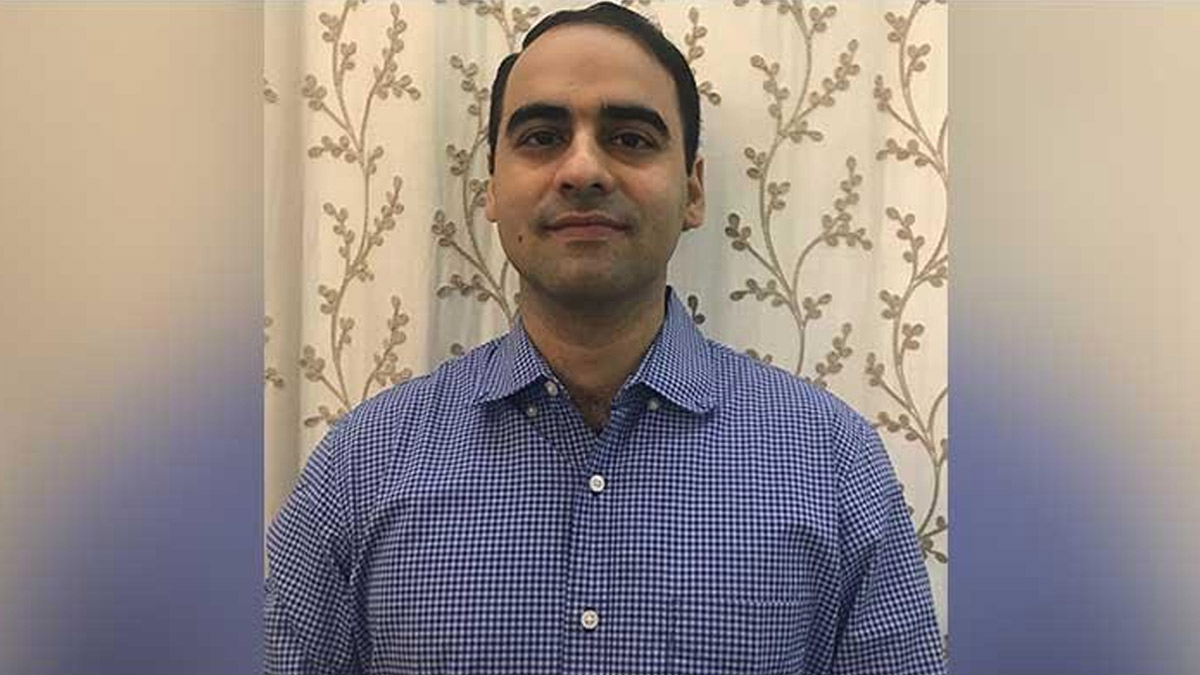
MUMBAI: After more than seven years of steering Uber through the bumpy roads of India’s mobility market, Ameya Velankar has decided to change lanes. Ameya Velankar has stepped down as Head of Marketing for India and South Asia, marking the end of a significant chapter at the ride-hailing company. He had been with Uber since 2019, taking on multiple roles in product and category marketing before rising to lead the marketing function for the region in 2021.
During his tenure, Velankar played a key role in strengthening Uber’s positioning in one of its most competitive and dynamic markets. He helped drive localised marketing strategies and scale adoption across key offerings such as Auto, Moto, Rentals and Intercity, tailoring global platforms to Indian consumer needs.
Prior to joining Uber, Velankar built his marketing expertise at leading consumer companies including SC Johnson and Marico, where he handled category and product leadership roles. His career began at RPG Enterprises.
Details of his next professional move have not been disclosed.
In a fast-evolving mobility landscape where brands constantly battle for attention, Ameya Velankar helped Uber stay relevant and resonant with millions of Indian users. As he moves on from the driver’s seat of marketing, the company will now look for fresh ideas to keep its wheels turning smoothly.






