MAM
adidas, Argentine Football Association extend partnership until 2022


MUMBAI: adidas and the Argentine Football Association (AFA) have announced the extension of their sponsorship agreement, extending their current relationship until December 2022.
The extension agreement comes as a result of the close relationship between both parties that started over 37 years ago. At the 1974 FIFA World Cup in Germany, Argentina already wore Adidas jerseys.
adidas Group CEO Herbert Hainer said, “We are very proud and excited to announce the extension of our successful partnership with the Argentine Football Association. adidas is the global leader in football and Argentina is without any doubt one of the strongest teams in the world. Therefore, we are very much looking forward to continuing our successful partnership and to supporting AFA in their preparations for the 2014 Fifa World Cup in Brazil and beyond.”
In addition to this adidas and AFA will continue working together to promote football at all levels of the game and in all age groups, both in Argentina and globally.

AFA president Julio Grondona said, “We appreciate the continuity and the confidence of adidas. It contributes to building an unbreakable bond with AFA. This agreement fully satisfies AFA and brings important values to continue to develop football in Argentina. AFA is committed and will continue wearing the shirt with pride all around the world.”




MAM
Ameya Velankar steps down as Uber’s head of marketing for India & South Asia
Veteran marketer exits after more than seven years with the ride-hailing giant.
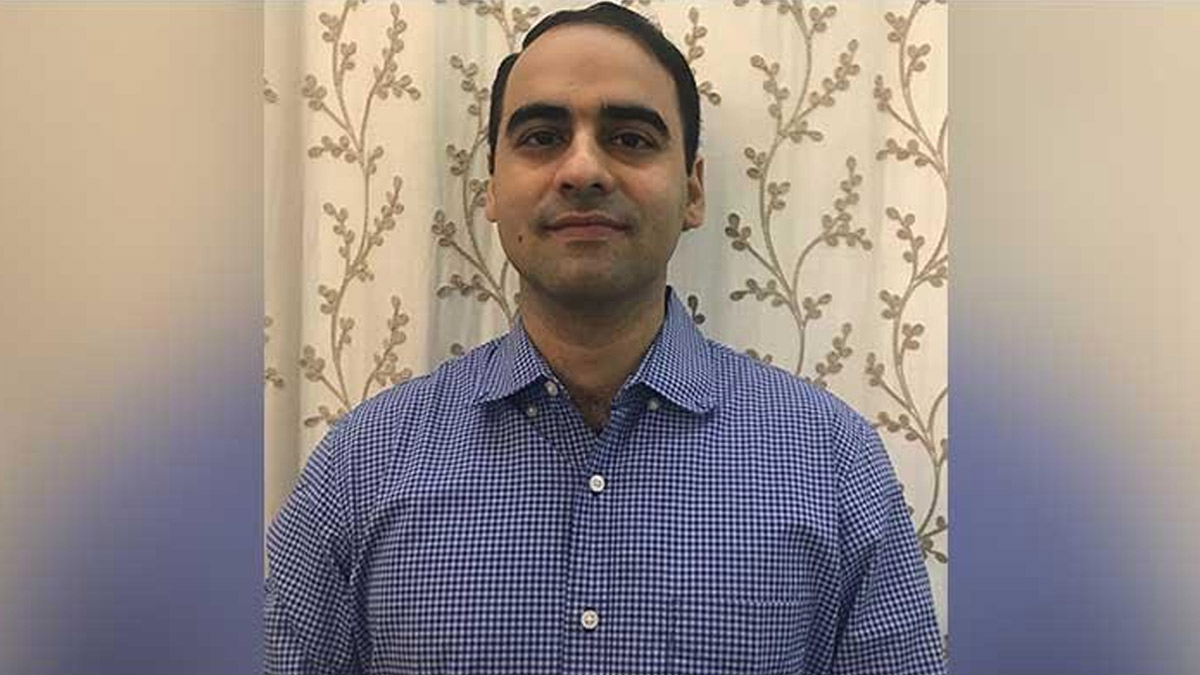
MUMBAI: After more than seven years of steering Uber through the bumpy roads of India’s mobility market, Ameya Velankar has decided to change lanes. Ameya Velankar has stepped down as Head of Marketing for India and South Asia, marking the end of a significant chapter at the ride-hailing company. He had been with Uber since 2019, taking on multiple roles in product and category marketing before rising to lead the marketing function for the region in 2021.
During his tenure, Velankar played a key role in strengthening Uber’s positioning in one of its most competitive and dynamic markets. He helped drive localised marketing strategies and scale adoption across key offerings such as Auto, Moto, Rentals and Intercity, tailoring global platforms to Indian consumer needs.
Prior to joining Uber, Velankar built his marketing expertise at leading consumer companies including SC Johnson and Marico, where he handled category and product leadership roles. His career began at RPG Enterprises.
Details of his next professional move have not been disclosed.
In a fast-evolving mobility landscape where brands constantly battle for attention, Ameya Velankar helped Uber stay relevant and resonant with millions of Indian users. As he moves on from the driver’s seat of marketing, the company will now look for fresh ideas to keep its wheels turning smoothly.






