MAM
Ad creatives react to Star Plus’ 3D innovation


MUMBAI: Star India is coming up with its one of the most expensive show – Mahabharat – and it is surely spending a lot of moolah in promoting it.
When you have a mega property, you probably have to think mega-plus while trying to communicate its scale to your consumer. That‘s something many a company follows. And that‘s the tack even Star India took today to announce the launch of its epic Mahabharat which is slated to air on its Hindi GEC Star Plus from tonight.
A four page false cover ad adorned today’s Bombay Times (an advertorial, entertainment, promotional supplement of The Times of India). It featured the epic show‘s characters (Arjun, Draupadi and Duryodhan) of Mahabharat. And to top it all, it was all in 3D! Yes, you read it right.

 |
 |
|---|
|
KV Sridhar and Viral Pandya feel that the 3D effect was unnecessary
|
In fact, the network is leaving no stone unturned to create enough and more buzz related to it. From 3D innovations on OOH platforms across cities to promos on 25 other channels apart from the Star network, the channel wants to make sure that people don’t miss out on its blockbuster epic.
 |
|---|
The show is estimated to have a budget of Rs 100 crore and out of this, 20 per cent has been allotted to marketing.
The innovations which have been conceptualised by Contract Advertising, however seem to have failed to dazzle other creative heads. Leo Burnett NCD KV Sridhar feels that there is nothing new in the so-called innovation. “It’s an old concept and will only attract small children’s attention especially today when 3D is a common phenomenon,” he says while emphasising on the fact that innovations today have moved up a notch with augmented reality.
He’s not alone. Even Out of the Box CCO Viral Pandya feels that there was no need for a 3D effect when the message would have been effective enough in 2D which Star did with the Mumbai morninger Mid-Day and The Hindustan Times Café did. “If one looks at the Volkswagen Talking newspaper (again TOI and The Hindu) innovation which appeared three years back, this is just plain blah! There is no idea in it expect for showing that one has enough money to spend.”
The two innovations most can’t get over are the ones created for the German automaker (Volkswagen) which got everyone talking. As per reports, the Das Auto company spent close to Rs 6 crore on that exercise. The other one (2011) was the integrated 3D campaign for Audi A8 L.
However, there are a few who feel that the innovation did encourage them to pick up and try on the 3D glasses. “It did manage to create a little bit of noise,” says Lowe Lintas & Partners NCD Arun Iyer who adds, “It surely would have cost them a bomb!”
 |
 |
|---|
|
Whereas Arun Iyer and KS Chakravarthy say that it did manage to create a little bit of noise
|
Draftfcb Ulka NCD K S Chakravarthy (Chax) too believes that Star‘s innovation – something which no other channel has attempted before – is bound to have had an impact. “It‘s not as if 3D hasn’t been done before but the scale at which at which it has been done by Star could have worked in getting it noticed,” he says.
One just hopes that for Star‘s (it has been pushing the pedal on marketing and has been showing chutzpah just like Levers or P&G or Coke ) sake that 3D translates into TVT.






MAM
Ameya Velankar steps down as Uber’s head of marketing for India & South Asia
Veteran marketer exits after more than seven years with the ride-hailing giant.
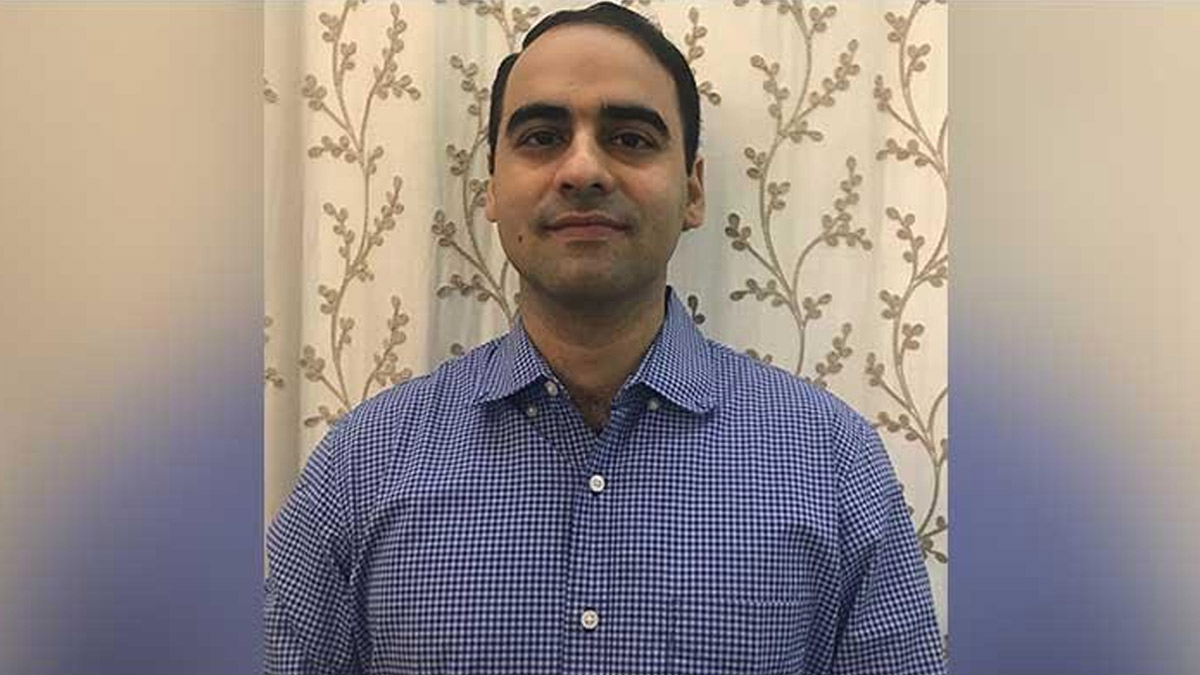
MUMBAI: After more than seven years of steering Uber through the bumpy roads of India’s mobility market, Ameya Velankar has decided to change lanes. Ameya Velankar has stepped down as Head of Marketing for India and South Asia, marking the end of a significant chapter at the ride-hailing company. He had been with Uber since 2019, taking on multiple roles in product and category marketing before rising to lead the marketing function for the region in 2021.
During his tenure, Velankar played a key role in strengthening Uber’s positioning in one of its most competitive and dynamic markets. He helped drive localised marketing strategies and scale adoption across key offerings such as Auto, Moto, Rentals and Intercity, tailoring global platforms to Indian consumer needs.
Prior to joining Uber, Velankar built his marketing expertise at leading consumer companies including SC Johnson and Marico, where he handled category and product leadership roles. His career began at RPG Enterprises.
Details of his next professional move have not been disclosed.
In a fast-evolving mobility landscape where brands constantly battle for attention, Ameya Velankar helped Uber stay relevant and resonant with millions of Indian users. As he moves on from the driver’s seat of marketing, the company will now look for fresh ideas to keep its wheels turning smoothly.






