MAM
Ad challenges for FM radio in Phase-III

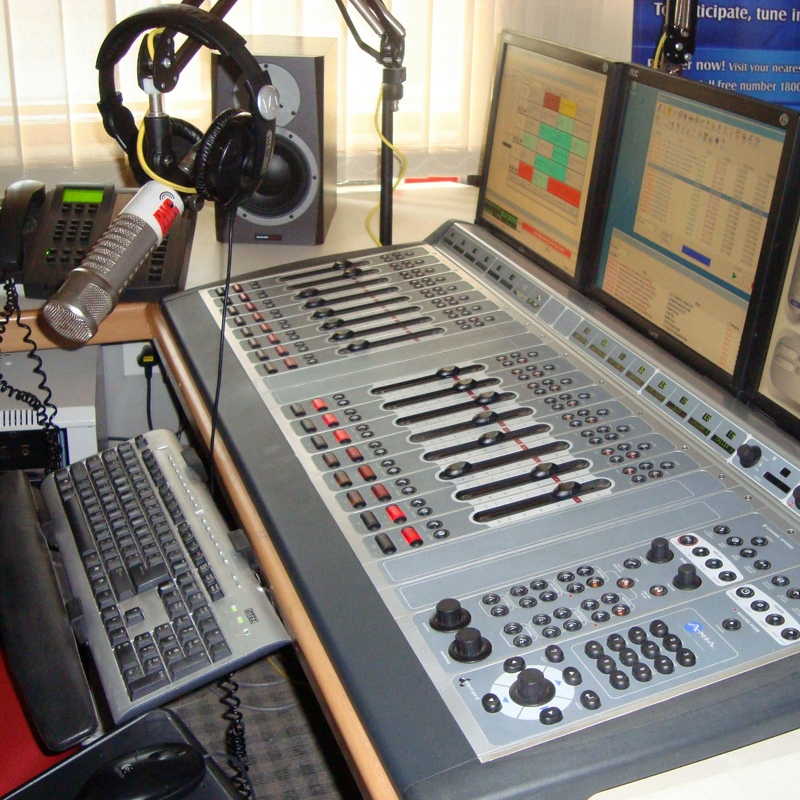
MUMBAI: The new FM radio policy will speed up growth but the pie will not expand enough to make the sector profitable unless the bids are pursued within rational limits, experts said.
The private FM radio sector, sized at around Rs 10 billion, is expected to grow at 30-35 per cent due to Phase-III expansion as new towns surface and stations broadcast differentiated content in metros.
“The industry is currently growing at 20-22 per cent. After the new stations launch, the industry should see at least 30-35 per cent growth year-on-year,” Entertainment Network India Ltd (ENIL) CEO and executive director Prashant Panday said.
FM radio stations will be able to tap local advertisers and widen their advertising base but the rates will be under pressure.

“The new frequencies will be in smaller towns and the rates will be much lower,” Panday said.
Media agencies do not see a major boost in the sector‘s revenues as in the small towns ad rates could be even as low as Rs 75 per 10 seconds.
“The increase in revenue will come from local retailers and also at the cost of All India Radio. Also, a lot will depend on how the players manage to monetise on the differentiated content they create with their multiple frequencies in the metros,” the chief executive of a media agency said.
Law & Kenneth India CEO and managing partner Anil Nair thinks the changes will be very gradual. “Radio is largely used as an announcement and remainder medium. Every marketer assigns certain objectives to various mediums. A case in point — print is good to announce offers and promotions for local retail brands, while television is largely used to spread brand values and messages, because its an audio/video medium. Radio, on the other hand, is just an audio one. I doubt the overall equation will change,” Nair said.
With more players coming in as the geography spreads, the radio ad pie will further get sliced.
“The competition will increase. Clients will now have more choices and so will the customers,” averred Nair.
RK Swamy Media Group president Chintamani Rao is of the view that regional and local players will be at a great advantage. “The advent of a new medium is always great news,” he asserted.
TBWAIndia MD Nirmalya Sen believes the radio medium, which has always been considered as passive and secondary, is now going to change with expanded reach.
“The medium can become more interactive and can be used best when communicating regionally. Traditionally the medium has been used by retail and real estate entities to reach out to the local audiences. But not we might see even big national brands getting aggressive on this front,” Sen affirmed.
Radio always has been a highly cost-effective medium, helping brands to communicate with their target audiences at a very local level.
“The decision will benefit the outdoor media to a great extent as now there will be more players who would like to promote their brands through outdoor advertising. So I am really happy”, asserted OAP India CEO Abhijit Sengupta.


MAM
Ad:tech honours 2026: Full list of winners announced
Expanded awards spotlight winners across 22 categories as industry doubles down on intelligent automation
NEW DELHI: Marketing’s tech elite took the spotlight as the ad:tech honours 2026 returned with a sharper focus on AI, data and immersive media, signalling how deeply technology now underpins brand strategy. Held at Yashobhoomi on March 17, the second edition drew industry leaders to celebrate innovation that is reshaping engagement and performance.
Presented with the International Advertising Association India chapter and new partner Huella, the awards expanded from 8 to 22 categories, tracking the rapid convergence of creativity, automation and analytics.
The winners’ list reads like a snapshot of marketing’s future. In affiliate and partner marketing, Lyxel & Flamingo – Boat and Paytm Ads – Giva took silver. Mobavenue Media Private Limited struck gold in AI-driven dynamic creative optimisation, alongside a silver for Laqshya Media Limited.
Creative AI collaboration saw Rediffusion Brand Solutions Private Limited win gold, with Saltinc Consulting Private Limited securing silver. Laqshya Media Limited continued its strong run, taking gold in AI conversation agents and adding multiple wins across categories, including silver in GenAI-led creative and both gold and silver in interactive DOOH campaigns for Tanishq and Tata Coffee.
Predictive AI honours went to Strong Metrics and Tyroo, both silver, while Orient Bell Limited picked up silver in immersive retail tech. In GenAI-led creative, Laqshya Media Limited, Salt – Kotak and Sumimoto each secured silver, reflecting the crowded race in generative creativity.
Publicis bagged silver in influencer management and gold in performance marketing, where it shared the stage with Arm Worldwide and The Trade Desk, both silver. Glad U Came Private Limited stood out with gold in influencer measurement and analytics.
Marketing automation saw CereOne Media Pvt. Ltd. and Globale Media win silver, while ADMOTT Private Limited claimed silver in OTT innovation.
Programmatic media categories highlighted the shift to advanced targeting and connected screens. Mobavenue Media Private Limited clinched gold in connected TV advertising, with Animmoov Digital Media Pvt Ltd – Asus and Lyxel and Flamingo taking silver. Cheggout Services Private Limited won silver in retail media advertising, while Paytm Ads – Versuni secured gold.
On social platforms, Vayner Media India took gold in community and UGC engagement, with Under 25 – Oppo winning silver. Segumento rounded off the list with silver in the innovation category.
Jaswant Singh, country managing director at ad:tech India, underscored the momentum, saying generative AI and data-driven decision-making are now central to marketing impact. Neena Dasgupta, IAA mancom member and chief executive and founder at The Salt Inc Consulting, added that the awards celebrate not just technology, but “the people, the creativity, and the relentless effort behind it.”
Backed by Comexposium Group, ad:tech New Delhi has long tracked digital disruption. Now, with the honours, it is rewarding those who are not just adapting to change but engineering it.
In an industry racing towards automation, the message from 2026 is unmistakable. The future of marketing will be written not just in ideas, but in algorithms.







