MAM
Ad Cap: The Story continues.

MUMBAI: That both music channels and news channels had approached the Telecom Disputes Settlement and Appellate Tribunal (TDSAT) against the 12 minute ad cap ruling by the Telecom Regulatory Authority of India (TRAI) is known.
We had also reported that while the TDSAT hearing for music channels was scheduled for 21 October, that for news channels had been brought ahead to 31 October from 11 November.
ut there’s one more twist in this tale for music channels too will now have to wait, much like their news counterparts, till 31 October to hear the TDSAT ruling on the matter.

And it doesn’t end there. Industry sources reveal there is still confusion regarding the ad cap with nearly 50 per cent of television channels not implementing it, a few of which are following the earlier mandate of 16 and 20 minutes advertising, and still others ‘flouting the rule completely.’
In fact, a source states the number of antacid pills being consumed by planners and buyers in agencies and by ad sales executives in TV channels has gone up thanks to the constant bickering between the two of them.
Indeed, Sony Entertainment Television took everyone by surprise when the network unanimously decided not to follow the 10+2 mandate. Network CEO and Indian Broadcasting Foundation president Man Jit Singh had then said: “There should be status quo and there should be one law for all channels from all genres.”
Till date, Sony stands by its CEO’s statement. “We will wait for the verdict from TDSAT, which comes out at the end of this month. We want status quo, no matter which way the verdict goes,” says MSM president network sales, licensing and telephony Rohit Gupta.
 |
|
We will continue with the 10+2 ad cap no matter what the TDSAT decides, says Ashish Sehgal
|
On the other hand, representatives of Star Network and Viacom 18, which have been happily following the ad cap, maintain that their respective managements will take a call after the TDSAT ruling. “We will follow the law,” they say.
Meanwhile, Zee has an entirely different take on the issue. “We will continue with the 10+2 ad cap no matter what the TDSAT decides,” says Zeel chief sales officer Ashish Sehgal.
He justifies this stance saying: “Not that we are too happy with the scenario, but we need to bring in discipline. We are now going to the international norm of 12 minutes of advertising per hour. The network has already created its business plan around the new rule. A lot of planning has gone into this. We have increased our content and decreased the inventory and revising this again is not on our agenda.”
On their part, advertisers are unhappy with the few networks that are implementing the mandate voluntarily and charging high rates. The big question facing them is what if TDSAT overrules TRAI’s diktat. “Will the channels revert to their earlier air time allocation as everyone else is doing or will they further hike the rates?” one of the advertisers questioned voicing his apprehensions on condition of anonymity.
As far as the industry is concerned, an IBF member says: “Let’s say the TDSAT quashes the TRAI order. The ruling will be valid for everyone and every broadcaster (even those who are complying with the 12 minute ad cap) can go back to the old system. Or news and music channels lose the case in TDSAT. They can approach the Supreme Court for succour. Then let’s say the Supreme Court puts a stay on the ad cap, it will then be back to the way the world was operating before this ad cap announcement by TRAI.”
News broadcasters say that if the verdict is in support of the ad cap, it will be implemented by end-November, if not earlier. “With Diwali round the corner, we are unsure how many days the court will take to come up with the verdict. Though if it is implemented, it is bad news for news channels,” says a member of NBA (News Broadcasters’ Association). Asked if the NBA will then appeal to the Supreme Court, the member dismisses it as a hypothetical question.
Some advertisers believe that the new ad cap regime could take longer to roll out completely. Some expect it to spill over to mid-2014. Or it could be even later, if things go back and forth in court as they are wont to do.
For the industry, however, what could be the best outcome is that Union I&B Minister Manish Tewari’s suggestion (that ad cap be implemented post completion of digitization in December 2014) is taken seriously and becomes a reality.
But then there are the cynical observers. Says one of them: “Don’t get into the politics. Ministers say something and do something else. After all, where did the request for the ad cap come from…”







MAM
PwC India announces leadership change in Deals practice
Shashank Jain steps down as co-leader after nearly three decades with the firm.
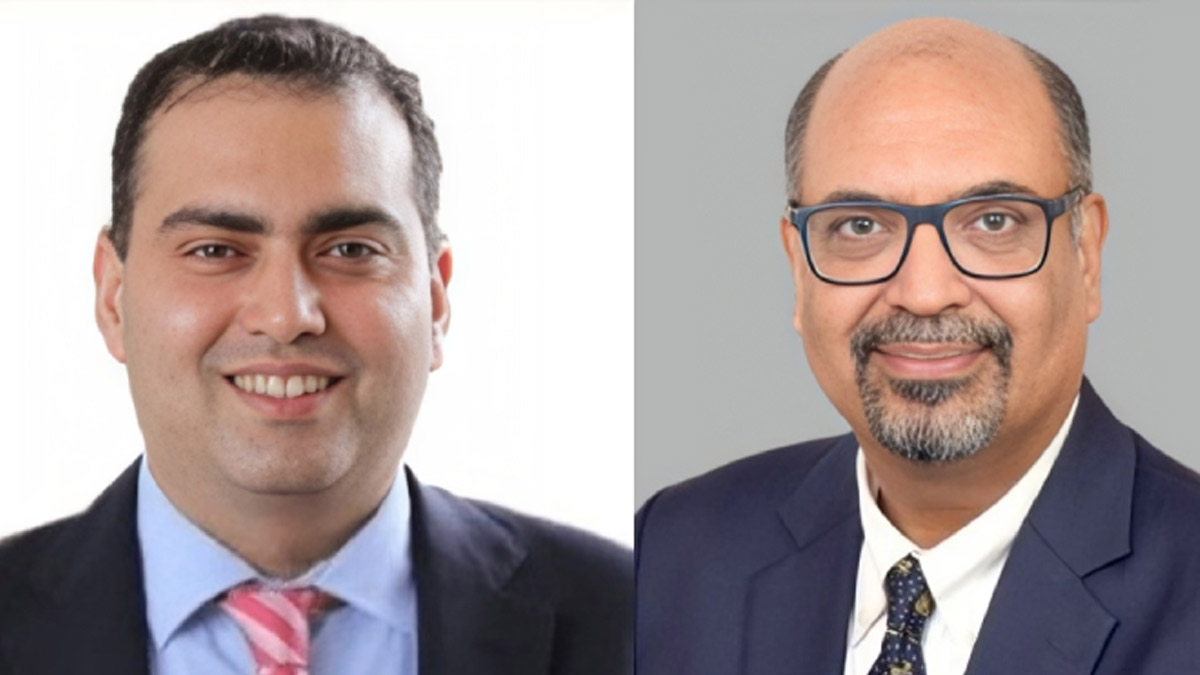
MUMBAI: When one dealmaker steps off the pitch, another is ready to take the baton because in the fast-moving world of transactions, the game never really stops. PwC India has announced a leadership transition in its Deals practice, with Shashank Jain stepping down from his role as co-leader to pursue an opportunity in the industry. The practice will continue to be led by Mohit Chopra, ensuring continuity and sustained growth momentum.
PwC India partner and leader for advisory dinesh Arora paid tribute to Jain’s contributions. “We deeply appreciate the significant contributions made by Shashank over close to three decades he has spent with PwC, particularly his defining role in shaping and strengthening our Transaction Services practice in India,” he said. Arora highlighted Jain’s support for clients through some of the most complex and significant transactions in the Indian market, noting his deep technical expertise, sound judgment and nuanced understanding of the evolving M&A landscape.
The Deals practice remains a key growth driver for PwC India, and the firm expects continued expansion under Mohit Chopra’s leadership. He will continue to guide clients through complex transactions and transformational business moments, building on the strong foundation established over the years.
Reflecting on his journey, Shashank Jain said, “I have had an exceptional journey at PwC. I owe my growth and learning to the nurturing environment and leadership development that PwC provided.” He added that he had been working closely with Mohit and the larger team to ensure a smooth transition and expressed confidence that Chopra would take the Deals practice to newer heights.
From intern to respected deals leader, Shashank Jain has clearly closed many successful transactions and now, it seems, he’s ready to strike a new deal of his own.