MAM
70 per cent of urban Indians feel wedding expenses are excessive: Ipsos study


Mumbai: Weddings abound in India in December. There are an estimated 32 lac weddings in India around that time. Wedding celebrations are rarely muted in India. They are largely big, magnified celebrations extending over days. Ipsos, a global market research company conducted a study among citizens across demographics and towns to understand views and perceptions around weddings. The study titled Ipsos IndiaBus Views on Wedding, shows at least 7 in 10 urban Indians believe we spend too much on weddings. Interestingly, more number of men polled (75 per cent) held this view vis-à-vis women (72 per cent). Moreover, citizens residing in the metros (80 per cent), tier1 towns (75 per cent), east zone (78 per cent), south zone (75 per cent) and north zone (74 per cent) and 91 per cent of Others (comprising retired, military and those who preferred not to answer) too felt we tend to expend a lot during weddings.
Is it important to have a big-budget, opulent wedding in India?
Surprisingly, we received mixed views from the urban citizens. Interestingly, 4 in 10 (43 per cent) citizens endorsed big fat weddings, believing them to be a part of our tradition and celebration; 36 per cent felt big budget weddings are somewhat important as they have a cultural significance, but not essential; while 2 in 10 (21 per cent) of citizens polled, perceived big budget weddings to be unimportant, unnecessary and wasteful. 73 per cent of citizens in the east zone endorsed big, fat weddings believing it to be a significant part of our tradition and celebration. And 49 per cent of citizens in the south zone somewhat supported a grand wedding as it is intrinsic to our culture, at the same time they felt it was not essential or compulsory.

The rationale for hosting opulent weddings
Citizens had varied perceptions on why we spend so much during weddings: 43 per cent believed due to the tradition and cultural values; 29 per cent felt for showcasing wealth and status; 12 per cent said due to social pressure and expectations; 11 per cent felt maybe due to the innate desire for creating a lifetime memorable experience; and five per cent felt it was the influence of social media and celebrity culture that was making citizens dole out big budgets during weddings (to copy them). Citizens in the east zone (72 per cent) and tier 3 (62 per cent) felt it was important to spend more money during weddings as it was a part of our tradition and cultural values. These towns are also steeped in traditions and tend to adhere to societal norms. Though for 40 per cent of citizens in the north zone, 39 per cent in the south zone and 38 per cent in tier-two cities, the predominant view was that big-budget weddings were more for the display of wealth and status.
Delving deeper into the big fat wedding culture, the survey tried to unearth whether a big-budget wedding equals a successful marriage. We found the views were quite divided, with 45 per cent disagreeing, 27 per cent agreeing to a large extent and 27 per cent agreeing to some extent. Differences in views were quite glaring. Those disagreeing most were largely from tier two towns (55 per cent), the north zone (55 per cent), metros (53 per cent) and the unemployed (61 per cent). Those agreeing most were from the east zone (78 per cent) and tier three towns (67 per cent), men (55 per cent) and women (54 per cent).
We also probed if it was considered financially responsible, to spend a large portion of one’s lifetime savings on a wedding.
The views were divided. 32 per cent agreed, believing, it is once in a lifetime event and worth the investment; 27 per cent disagreed believing there were better ways to allocate savings for the future; 21 per cent were unsure; while 19 per cent felt it depended on the individual’s financial status. East zone was seen to be more about display – 65 per cent felt it was once in a lifetime event and worth the investment. While 48 per cent in the south zone were unsure.
Wedding finances – the best approach
Weddings in India are rarely solemnised over a small ceremony, with a handful of close relatives – that happened only during the COVID-19 pandemic and we for the first time witnessed most relatives and friends joining virtually. Weddings in India are largely an elaborate affair with ceremonies, and traditions being followed, and the invitee list expanded to include family, relatives, and friends. This means one needs to fork out large sums of money to cater to the requirements of all ceremonies and meals and decorations, venue hiring etc. What are the best approaches to financing a wedding?
The respondents chose multiple options instead of just one. 56 per cent advocated equal sharing of costs between the bride and the groom for wedding finances; at the same 52 per cent of the respondents were of the view that wedding costs should not put undue pressure; and 13 per cent recommended taking a loan or selling investments for financing a wedding.
Views by cities and cohorts were quite interesting. West zone (72 per cent), east zone (66 per cent), people living in the metros (65 per cent), full-time parents/ homemakers (62 per cent), students (61 per cent), SEC A (61 per cent), employed full-time or part-time (60 per cent) were all of the views that wedding costs should be shared equally between the bride and the groom; While 69 per cent self-employed, 65 per cent in tier three cities, 58 per cent in north zone, 57 per cent in south zone and 54 per cent in east zone were of the view that wedding cost should not put undue pressure.
Summarising the findings of the survey, ESG and CSR group service line leader, public affairs, and corporate reputation Parijat Chakraborty said, “It is the onset of the wedding season in India and we decided to understand views of citizens across socio-economic classification and town classes on their perceptions of weddings. Do we spend too much on weddings, the rationale of opulent weddings, whether big-budget weddings translate into successful marriages, and the best approach to funding weddings? There were so many different views on the topic across demographics and regions. Grandiose weddings are intrinsic to our culture and these are happy occasions for the family to bond, and soak up the completely happy ecosystem when people dress up and celebrate. But all this costs a bomb and it is interesting to see that citizens have broad views about sharing of costs between the bride and the groom and even believe that a happy occasion like a wedding should not be a high-pressure situation.”
Methodology
Ipsos IndiaBus is a monthly pan India omnibus (which also runs multiple client surveys), that uses a structured questionnaire and is conducted by Ipsos India on diverse topics among 2200 respondents from SEC A, B and C households, covering adults of both genders from all four zones in the country. The survey is conducted in metros, Tier one, Tier two and Tier three towns, providing a more robust and representative view of urban Indians. The respondents were polled face-to-face and online. We have a city-level quota for each demographic segment that ensures the waves are identical and no additional sampling error. The data is weighted by demographics and city-class population to arrive at the national average.







Brands
YES Bank hands the keys to SBI veteran Vinay Tonse as it bets on a new era
Former SBI managing director appointed as YES Bank’s new MD and CEO
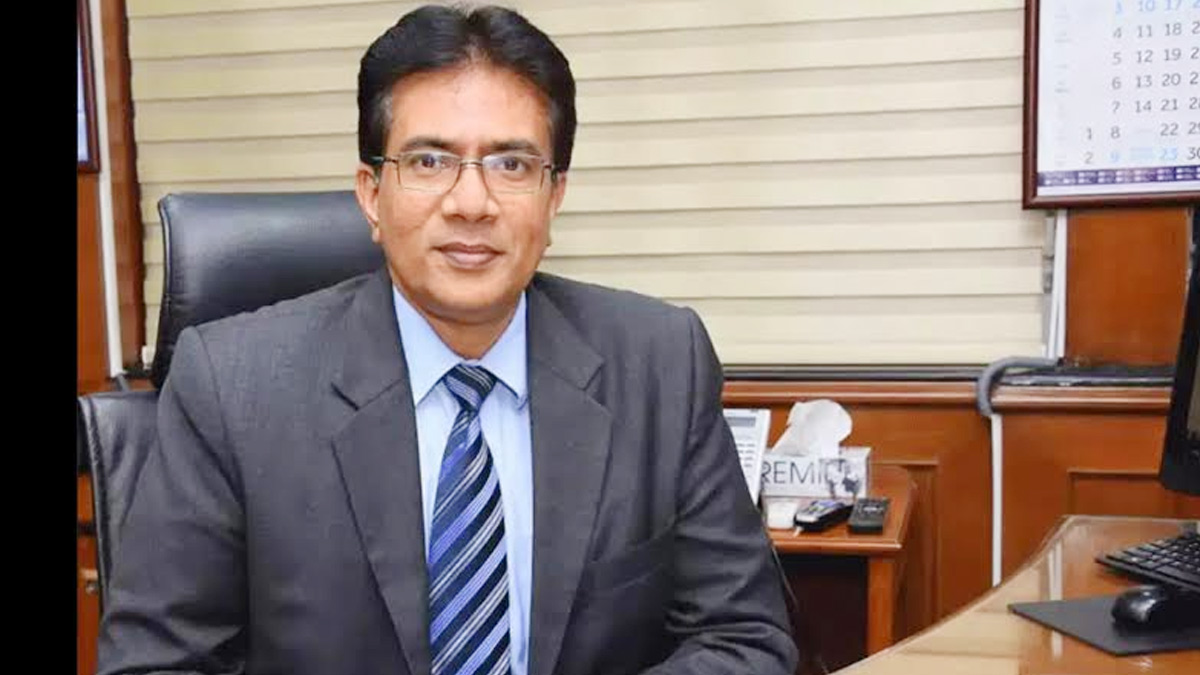
MUMBAI: YES Bank is done rebuilding. Now it wants to grow. The private sector lender has appointed Vinay Muralidhar Tonse as managing director and chief executive officer-designate, with RBI approval secured and a start date of April 6, 2026 confirmed. The three-year term signals the bank’s intent to shift gears from crisis recovery to full-throttle expansion.
Tonse, 60, is no stranger to scale. Most recently managing director at State Bank of India, he oversaw a retail book of roughly $800bn in deposits and advances, one of the largest in the country. Before that, he ran SBI Mutual Fund from August 2020 to December 2022, a stint that saw assets under management surge from Rs 4.32 lakh crore to Rs 7.32 lakh crore across market cycles. Add stints in Singapore and four years leading SBI’s overseas operations in Osaka, and the incoming chief arrives with a genuinely global CV.
His academic grounding is equally solid: a commerce degree from St Joseph’s College of Commerce, Bengaluru, and a master’s in commerce from Bangalore University.
The appointment follows an extensive search and evaluation process by the bank’s Nomination and Remuneration Committee. NRC chairperson Nandita Gurjar said the committee unanimously backed Tonse, citing his leadership track record, governance credentials and ability to drive the bank’s next phase of transformation.
Non-executive chairman Rama Subramaniam Gandhi was unequivocal. “I am certain that Vinay Tonse, with his vast experience as a senior banker, will propel YES Bank to its next phase of growth,” Gandhi said, adding that the bank remains focused on strengthening its retail and corporate banking franchises and expanding its branch network.
Rajeev Kannan, non-executive director and senior executive at Sumitomo Mitsui Banking Corporation, the bank’s largest shareholder, said Tonse’s experience across retail, corporate banking, global markets and asset management positioned him well to lead the lender. SMBC said it looks forward to working with Tonse and the board as YES Bank pursues its ambition of becoming a top-tier private sector lender anchored in strong governance and sustainable growth.
Tonse succeeds Prashant Kumar, who took the helm in March 2020 when YES Bank was in freefall following a severe financial crisis, and spent six years painstakingly stabilising the institution, rebuilding governance and restoring operational scale. Gandhi was generous: “The bank remains indebted to Prashant Kumar, who is responsible for much of what a strong financial powerhouse YES Bank is today.”
Tonse, for his part, struck a purposeful note. “Together with the board and my colleagues, I remain deeply committed to creating long-term value for all our stakeholders,” he said, pledging to build on Kumar’s foundation guided by his personal motto: Make A Difference.
Beyond the balance sheet, Tonse played cricket at college and club level and represented Karnataka in archery at the national championships — sports he credits with teaching him teamwork, situational leadership, discipline and focus. In quieter moments, he reaches for retro Kannada music, classic Hindi songs, and the crooning of Engelbert Humperdinck, Mukesh and Kishore Kumar.
YES Bank has its steady-handed rebuilder in Kumar to thank for survival. Now it has a scale-obsessed growth banker at the wheel. The next chapter starts April 6.