Digital
70 per cent of consumers tune out repetitive ads: Trade Desk report

MUMBAI: A new study by global advertising technology leader, The Trade Desk (Nasdaq: TTD) titled, “The Untapped Opportunity of Omnichannel,” reveals that an overwhelming 70 per cent of Indian consumers are tired of seeing the same ads repeatedly on a single channel. The findings underscore the urgent need for brands to adopt omnichannel strategies to combat the escalating ad fatigue in India.
According to the report, India now ranks third globally in ad fatigue, trailing only the United States and Australia, surpassing the global average of 68 percent. With users in India spending about nine hours a day across an average of 5.4 media channels– including OTT/CTV, streaming music,news and websites, gaming and more, fragmentation has become a key hurdle for modern marketers.
“While media fragmentation poses a real challenge, our research shows that brands that embrace it through an omnichannel approach can better manage frequency across channels, publishers, and platforms,” said The Trade Desk managing director, Tejinder Gill. “By placing the audience at the center and aligning with how they actually consume media, omnichannel campaigns not only improve the ad experience but also drive stronger brand outcomes.”

The study draws a distinction between omnichannel and multichannel advertising strategies and their impact on consumer engagement. While both approaches use multiple channels, the distinction lies in execution. Multichannel campaigns often operate in siloswithseparate strategies across different platforms. In contrast, omnichannel campaigns unify three or more digital channels (such as mobile, display, native, video, audio, DOOH, or OTT/CTV) into a connected experience that optimizes message sequencing and frequency based on how users consume media.
Recent studiesreveal that omnichannel approaches significantly outperform disconnected media strategies, reducing ad fatigue by 2.2 times and boosting persuasive impact by 1.5 times. Additionally, advertisers leveraging The Trade Desk’s platform for omnichannel campaigns saw a 1.7 times increase in purchase intent whenthree channels are connected holistically. The impact of strategic alignment across channels on the open internet is further validated by findings showing a 77 per cent uplift in return on investment when five channels are integrated.
The report also highlights the unique strengths of each channel, providing a roadmap for brands and agencies seeking to build effective omnichannel plans:
CTV/OTT: With 73 per cent of Indian viewers discovering new brands while streaming, significantly above the global average of 51 per cent, CTV/OTT stands out as a leading channel for brand discovery. Two-thirds (66 per cent) of consumers trust the ads they see on these channels, with a similar share (69 per cent) recalling the brands featured. This powerful combination of discovery, credibility, and emotional storytelling positions CTV/OTT as a cornerstone of any omnichannel strategy.
· Streaming Audio: Provides a unique opportunity to reach audiences in moments few other media can, whether they’re starting their day or seeking background companionship. It is quickly emerging as a high-impact channel for both brand discovery (71 per cent) and recall (66 per cent), rapidly closing the gap with CTV/OTT. The rising popularity of podcasts, especially among Gen Z and Millennials, further expands the advertising potential for brands.
· Digital Out-of-Home (DOOH): As a high-frequency, low-intrusion format, DOOH plays a key role in upper funnel brand-building.Nearly half (47 percent) of Indian consumers notice DOOH formats such as billboards and posters on a daily basis. This makes DOOH a vital complement to digital campaigns, driving mass awareness at scale.
· Gaming: No longer a niche, gaming is now a mainstream channel across age groups. Over 80 percent of Millennials and Gen Zers playgames weekly, higher than the country average of 74 per cent. Most gamers are receptive to ads in exchange for in-game rewards, with Millennials being most receptive. As part of an omnichannel mix, gaming offers immersive, value-driven ad experiences that foster deeper brand engagement.
· Display &Online Video: Display advertising excels at mid-funnel reinforcement, particularly among Millennials, 71 per cent of whom recall display ads. Online video, by contrast, thrives in laid-back, passive moments like casual browsing and proves especially effective with Gen Z, with 72 per cent recalling brands seen in this format. Together, these channels allow brands to strategically tailor campaigns by generation and funnel stage, balancing reach and relevance in a holistic omnichannel approach.
The full report is available for download here.





Introduction
In the modern digital landscape, businesses are constantly seeking innovative ways to reach their audience, build relationships, and drive conversions. Two of the most powerful tools in digital marketing today are email automation and YouTube marketing. These strategies not only help brands engage with their audience but also provide measurable results that can significantly impact business growth. Platforms like ExamCollection offer valuable insights and resources for mastering these techniques. In this article, we will explore how email automation and YouTube marketing can transform your digital strategy and help you achieve long-term success.
The Power of Email Marketing Automation
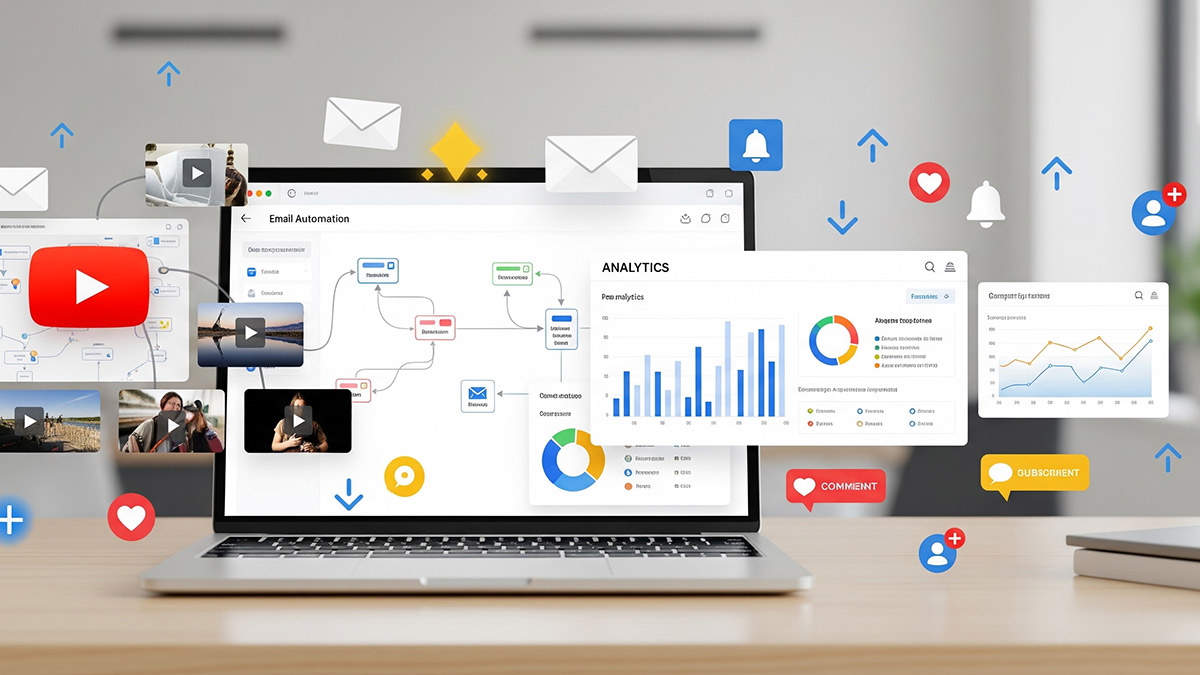
Email marketing remains one of the most effective channels for communication and conversion. However, manually managing email campaigns can be time-consuming and inefficient. This is where marketing automation comes into play. Automation tools allow businesses to send personalized messages based on user behavior, preferences, and engagement patterns. This not only improves efficiency but also enhances the customer experience.
Benefits of Marketing Automation
Marketing automation provides several advantages, including increased productivity, improved targeting, and better customer retention. By automating repetitive tasks, businesses can focus on strategy and creativity. Additionally, automation enables marketers to segment their audience and deliver highly relevant content, which leads to higher open rates and conversions. It also provides valuable analytics that help optimize campaigns for better performance.
How to Master Email Automation
To master email automation, businesses need to understand their audience and create targeted campaigns. This involves setting up workflows, designing engaging email templates, and analyzing performance metrics. Tools like CRM systems and automation platforms can help streamline the process. Learning from expert guides and resources can significantly improve your skills and results.
The Rise of YouTube Marketing
YouTube has become one of the most influential platforms for digital marketing. With billions of users worldwide, it offers businesses an فرصة to reach a massive audience. Video content is highly engaging and can convey messages more effectively than text or images. As a result, many brands are investing in YouTube marketing to build their online presence and connect with their audience.
Key Strategies for YouTube Success
Successful YouTube marketing requires a well-planned strategy. This includes creating high-quality content, optimizing videos for search, and engaging with viewers. Consistency is also crucial, as regular uploads help build a loyal audience. Additionally, using analytics tools can help track performance and identify areas for improvement.
Explore more: https://www.examcollection.com/blog/master-youtube-marketing-with-these-10-powerful-steps/
Combining Email and YouTube Marketing
Integrating email automation with YouTube marketing can create a powerful synergy. For example, businesses can use email campaigns to promote new videos, share exclusive content, and drive traffic to their YouTube channel. Similarly, YouTube videos can encourage viewers to subscribe to email lists, creating a continuous cycle of engagement. This integrated approach can significantly enhance marketing effectiveness.
The Role of Data and Analytics
Data plays a crucial role in both email and YouTube marketing. By analyzing user behavior and engagement metrics, businesses can make informed decisions and optimize their strategies. Metrics such as open rates, click-through rates, watch time, and subscriber growth provide valuable insights into campaign performance. Using these insights, marketers can refine their approach and achieve better results.
Challenges and How to Overcome Them
While email automation and YouTube marketing offer numerous benefits, they also come with challenges. These include content creation, audience engagement, and staying updated with changing algorithms. To overcome these challenges, businesses need to invest in continuous learning and adapt to new trends. Leveraging reliable resources and expert guidance can make a significant difference.
Future Trends in Digital Marketing
The future of digital marketing is likely to be shaped by advancements in artificial intelligence, personalization, and interactive content. Automation tools will become more sophisticated, enabling even more personalized experiences. Video content will continue to dominate, with platforms like YouTube playing a central role in marketing strategies. Businesses that stay ahead of these trends will have a competitive advantage.
FAQ
1. What is email marketing automation?
Email marketing automation involves using software to send targeted and personalized emails based on user behavior and preferences.
2. Why is YouTube important for marketing?
YouTube provides a platform to reach a large audience and engage users through video content.
3. Can small businesses benefit from these strategies?
Yes, both email automation and YouTube marketing are highly scalable and suitable for businesses of all sizes.
4. How can I improve my email open rates?
By creating compelling subject lines, segmenting your audience, and delivering relevant content.
5. What tools are used for YouTube marketing?
Tools like video editing software, analytics platforms, and SEO tools are commonly used.
Conclusion
Digital marketing is evolving rapidly, and businesses must adapt to stay competitive. Email automation and YouTube marketing are two powerful strategies that can drive significant growth when implemented effectively. Email automation allows businesses to deliver personalized and timely messages, improving customer engagement and retention. On the other hand, YouTube marketing provides a platform to connect with a vast audience through engaging video content. By combining these strategies, businesses can create a comprehensive marketing approach that maximizes reach and impact. Platforms like ExamCollection offer valuable resources that help marketers understand and implement these techniques effectively. The integration of data and analytics further enhances the effectiveness of these strategies, enabling businesses to make informed decisions and optimize their campaigns. However, success in digital marketing requires continuous learning, creativity, and adaptability. As technology continues to advance, new opportunities and challenges will emerge. Businesses that stay updated with the latest trends and leverage the right tools will be well-positioned for success. Ultimately, mastering email automation and YouTube marketing can lead to increased brand visibility, higher engagement, and improved conversion rates. By investing time and effort into these strategies, businesses can achieve sustainable growth and long-term success in the competitive digital landscape.






