MAM
2023 digital growth in Indian banking & finance sector: Performics India’s industry report


Mumbai: Performics India, part of Publicis Groupe India has launched its banking & financial services round-up report 2023. The report reflects on the digital-led growth and potential of the Indian Banking and financial services sector. The digital-led growth of the Indian banking sector in 2023 has been profound, and Performics India’s report offers valuable insights into the factors driving this change, as well as the challenges and opportunities it presents.
The report underscores the role and significance of digital transformation in propelling the banking sector. With an ever-evolving demographic profile, banks are now compelled to meet the expectations of a new generation that is inherently digital-centric. As fintech companies continue to offer alluring products and services, traditional banks have intensified their efforts to remain competitive in this dynamic landscape.
The report summarizes the remarkable digital journey of India’s banking and finance sector driven by innovative financial products (e.g. BNPL, payments), the emergence of new market players, heightened fintech adoption, and improved financial literacy. This growth has been further catalysed by the rapid surge in digitalization, establishing digital as the primary medium for educating and engaging with the masses. This aspect is corroborated by an analysis of trends in organic search intents across various financial products. The report also identifies interesting trends within the banking and financial services industry such as open banking, voice banking, personalised banking, search trends, Generative AI, the rise of ‘Finfluencers’ and regulatory mechanisms for them.

It further highlights the key drivers of Digital Transformation and the growing acceptance of digital payment methods and how it is driving the growth of the banking sector. The report highlights a remarkable shift, 93 per cent of payments in the past year were executed digitally, with QR code transactions surpassing traditional card and cash transactions. The rising trend of biometric payments indicates a growing trust in biometric technology, with consumers increasingly favouring it over traditional cards and devices.
Lastly, the report explores Regulatory Updates and Ethical Practices and its impact on the banking sector, emphasizing the importance of bills like the Digital Personal Data Protection Bill and AI regulation in India. These regulations aim to enhance data protection and promote ethical use of AI, safeguarding the interests of both consumers and financial institutions.
Speaking about the report Performics India CEO Lalatendu Das shared “As the financial services sector undergoes profound transformations, the imperative for digital transformation has never been clearer. The Digital Personal Data Protection Bill and other regulatory measures underscore the importance of safeguarding consumer data in this digital age. Open banking, personalization, and generative AI promise to revolutionize how we engage with our customers, making their financial experiences more personalized, efficient, and secure. With growing competition and dynamic customer expectations, it is important for brands to remain at the forefront of these trends and ensure top-notch services and products. Performics India’s BFS roundup report highlights some key updates and insights from the year 2023, equipping our clients with valuable insights to understand the past year’s trends and strategize effectively for the upcoming year.”
Performics India VP banking and financial services Cyrus Shroff further added, “As we stand on the cusp of an exciting era in the Indian banking and financial sector, the ‘Digital Transformation in the Indian Banking & Financial Sector – Roundup Report’ by Performics India serves as an illuminating guide through the shifting landscape. In an age where digitalization has become paramount, this report showcases the dynamic journey of the sector, driven by innovative products, fintech adoption, and evolving consumer expectations. The Indian banking and financial sector stand at the precipice of remarkable change, and this report offers a valuable compass for all stakeholders to navigate this transformative journey.”







Brands
Wipro hires 7,500 freshers, withholds FY27 hiring outlook
Profit rises to Rs 3,522 crore, Rs 15,000 crore buyback announced.
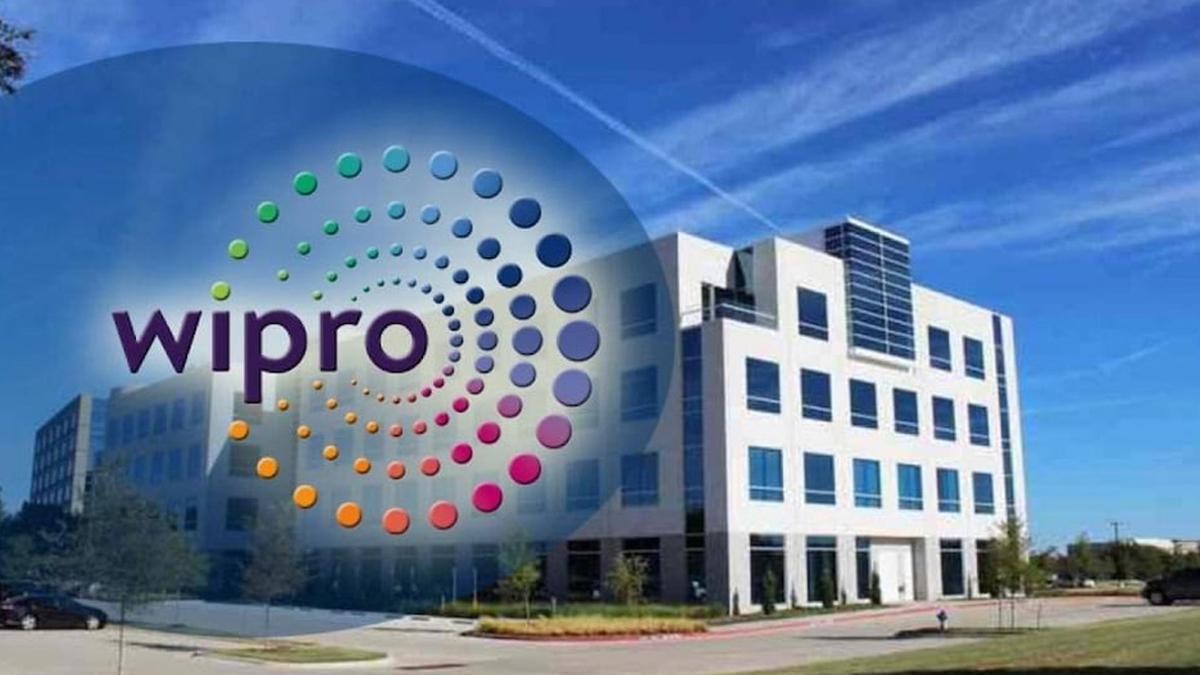
MUMBAI- Hiring may be on, but visibility is off, Wipro is adding talent even as it pauses the crystal ball. The company hired 7,500 freshers in FY26 but stopped short of offering any hiring outlook for FY27, underscoring the uncertainty gripping the IT services sector as it pivots towards an AI-led operating model.
The disclosure came alongside its fourth-quarter earnings, where management flagged volatile demand conditions and refrained from committing to future workforce expansion. Chief human resources officer Saurabh Govil noted that over 3,000 of the total hires were onboarded in the March quarter alone, signalling continued intake despite a lack of clarity on deployment pipelines.
This divergence active hiring without forward guidance reflects a broader industry pattern where talent acquisition continues even as deal conversions remain uneven and client spending cycles stretch. Wipro expects its IT services revenue for the June quarter to range between a decline of 2 per cent and flat growth sequentially in constant currency terms, reinforcing near-term caution.
Chief executive officer Srini Pallia pointed to artificial intelligence as both a disruptor and an opportunity. He said evolving client priorities are pushing the company towards outcome-driven engagements, with Wipro increasingly focusing on a services-as-software model through its AI Native Business and Platforms unit. The shift marks a structural change from traditional headcount-led growth to AI-enabled delivery frameworks.
The company has already committed over $1 billion to its AI ecosystem, with investors closely watching how these investments translate into revenue. For now, the numbers present a mixed picture. Net profit rose sequentially to Rs 3,522 crore, while revenue grew 3 per cent to Rs 24,236 crore. However, core IT services performance remained under pressure, with full-year revenue declining 0.3 per cent in dollar terms and 1.6 per cent in constant currency.
Large deal bookings offered a counterpoint, rising 45.4 per cent year-on-year to $7.8 billion, highlighting a widening gap between deal wins and actual revenue realisation. On a quarterly basis, IT services revenue slipped 1.2 per cent sequentially, signalling continued softness in execution.
Margins, however, told a more optimistic story. Operating margins expanded to 17.3 per cent in the fourth quarter, up from 14.8 per cent in the previous quarter, reflecting improved cost discipline. That said, the company cautioned that upcoming wage hikes and the ramp-up of large deals could exert pressure going forward.
Attrition stood at 13.8 per cent in the March quarter, indicating stabilisation after periods of elevated churn. Alongside its earnings, Wipro also announced a Rs 15,000 crore share buyback, reinforcing its focus on shareholder returns, with a payout ratio of 88 per cent over the past three years.
Taken together, the numbers capture a company in transition investing in AI, maintaining hiring momentum, but navigating a demand environment where growth is uneven and visibility remains limited.