iWorld
United Breweries trademark iconic Kingfisher jingle ‘ Oo la la la le o’
Kingfisher’s three-decade-old tune gains legal protection as a sonic trademark

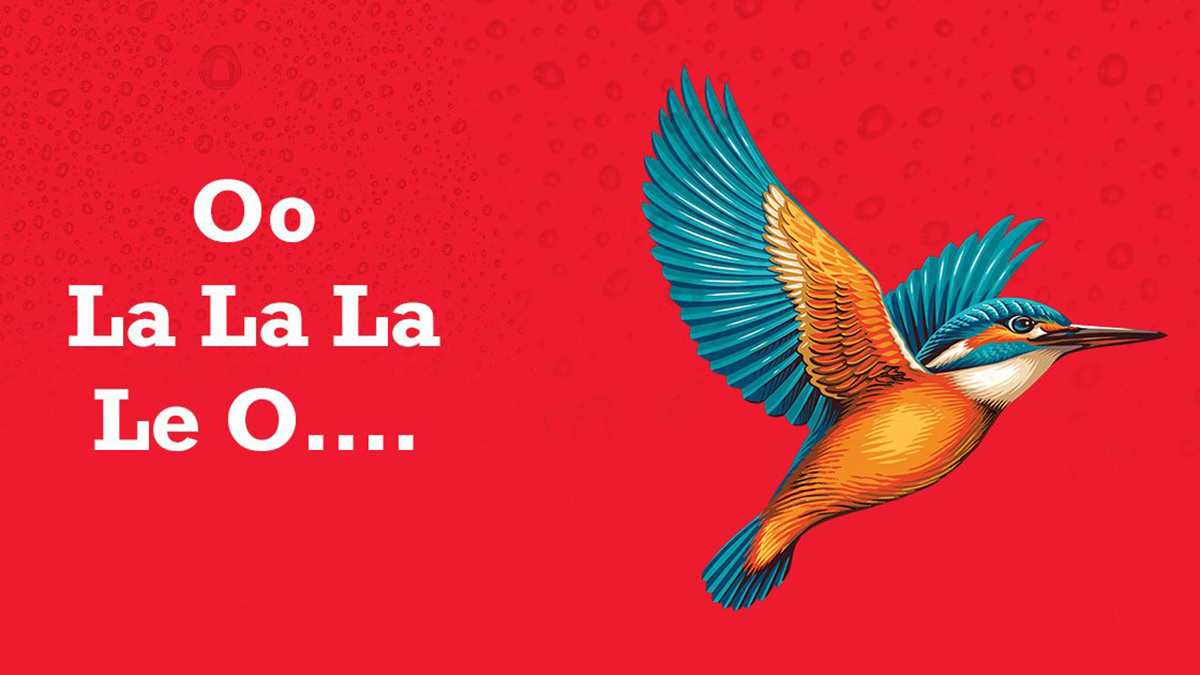
MUMBAI: United Breweries Limited, part of the Heineken group, has secured trademark registration for the iconic Kingfisher jingle Oo la la la le o, formally recognising a sonic asset embedded in the brand’s identity for nearly three decades.
With the registration, United Breweries becomes the first company in India’s alcoholic beverages category to obtain legal protection for a sonic trademark. It is also the only packaged drinking water manufacturer in the country to hold such a registered sound mark with strong consumer recall.
Introduced in 1996, the jingle has been used consistently for close to 30 years, developing an unmistakable association with the Kingfisher brand. Its distinctive tune has long functioned as a trademark in practice, now formally acknowledged as one in law.

The move underscores the growing importance of non-visual brand assets, as companies increasingly seek to protect sound, memory and emotion as part of their intellectual property portfolios in a crowded, multisensory marketing landscape.
United Breweries chief marketing officer Vikram Bahl, said the jingle was a rare brand asset that transcended words and visuals. Sonic identity, he added, had become a powerful way for brands to connect emotionally with consumers, and trademarking the jingle ensured long-term protection of a core element of Kingfisher’s personality.
Over time, the tune has evolved beyond conventional advertising to become a cultural cue. It has recently been reimagined through collaborations with music artists and integrated into platforms such as the Women’s Premier League, helping the brand stay relevant with younger audiences while retaining its legacy appeal.
United Breweries chief legal officer Neha Munjral, said the jingle had an immediate association with Kingfisher even without verbal brand cues, making it a quintessential trademark. Decades of continuous use, she said, had built significant goodwill around the asset, now secured through formal registration.
By trademarking the jingle, United Breweries has converted a familiar tune into a legally protected brand asset, strengthening its intellectual property rights as it continues to evolve its marketing playbook.






iWorld
Meta warns 200 users after fake Whatsapp spyware attack
Italy-targeted campaign used unofficial app to deploy surveillance spyware.
MUMBAI: It looked like a message, but it behaved like a mole. Meta has warned around 200 users most of them in Italy after uncovering a targeted spyware campaign that weaponised a fake version of WhatsApp to infiltrate devices. The attack, first reported by Agenzia Nazionale Stampa Associata, relied on classic social engineering with a modern twist: persuading users to download an unofficial WhatsApp clone embedded with surveillance software. The malicious application, believed to be developed by Italian firm SIO through its subsidiary ASIGINT, was designed to mimic the real app closely enough to bypass suspicion.
Meta’s security teams identified roughly 200 individuals who may have installed the compromised version, triggering immediate countermeasures. Affected users were logged out of their accounts and issued alerts warning of potential privacy breaches, with the company describing the incident as a “targeted social engineering attempt” aimed at gaining device-level access.
The malicious app was not distributed via official app stores but circulated through third-party channels, where it was presented as a legitimate WhatsApp alternative. Once installed, it reportedly allowed external operators to access sensitive data stored on the device turning a simple download into a potential surveillance gateway.
According to Techcrunch, Meta is now preparing legal action against the spyware developers to curb further misuse. The company, however, has not disclosed details about the specific individuals targeted or the extent of data compromised.
A Whatsapp spokesperson reiterated that user safety remains the top priority, particularly for those misled into installing the fake iOS application. Meanwhile, reports from La Repubblica suggest the spyware may be linked to “Spyrtacus”, a strain previously associated with Android-based attacks that could intercept calls, activate microphones and even access cameras.
The episode underscores a growing reality in the digital age, the threat is no longer just what you download, but where you download it from. As unofficial apps become increasingly convincing, the line between communication tool and covert surveillance is getting harder to spot and far easier to exploit.






