iWorld
OTT piracy hits Rs 8,000–11,000 crore annually in 2025
Illegal feeds drain broadcasters as MIB task force moves slowly; OTT now main piracy source with 63 per cent share.

MUMBAI: India’s TV screens are leaking money faster than a pirate’s ship because when signals get stolen, the only thing sinking is the industry’s bottom line. DTH signal piracy has escalated into a multi-billion-rupee crisis for India’s broadcast sector, with illegal feeds causing an estimated Rs 22,400 crore loss in 2023 alone. Industry estimates show roughly 90 million users accessed pirated video content outside India in 2024, inflicting $1.2 billion (≈ Rs 10,000 crore) in notional losses equivalent to about 10 per cent of the legal video market. Without stronger intervention, projections warn this could balloon to 158 million users and $2.4 billion in losses by 2029.
Broadcasters and distributors report piracy now eats over 30 per cent of their revenues, crippling reinvestment in content and infrastructure. The shift is stark, while DTH once dominated pay TV, active subscribers fell to around 56.92 million in early 2025 amid subscriber churn to OTT platforms, which now boast over 547 million video streamers. Yet piracy has followed the audience OTT has become the primary source for illegal content, accounting for 63 per cent of such access and driving Rs 8,000–11,000 crore in annual losses for the streaming market.
The industry has repeatedly urged the Ministry of Information & Broadcasting (MIB) to mandate forensic watermarking technology that embeds invisible identifiers in video streams to trace unauthorised feeds back to their source. Other proposed measures include physical verification for set-top box activations and location-based services. MIB established a task force to tackle the issue, and a nationwide consultation began in late 2025, but stakeholders say progress remains slow and the mandate too narrow, still excluding full coverage of cable and satellite networks.

The broader media and entertainment sector valued at Rs 2.5 trillion in 2024 faces mounting headwinds from piracy’s evolution. Cross-border enforcement remains complex, consumer preference for free content persists, and technological countermeasures spark an ongoing arms race. Without faster regulatory teeth and wider safeguards, broadcasters warn, the projected doubling of losses by 2029 could choke innovation and global competitiveness.
For an industry already squeezed by OTT migration, signal theft isn’t just theft, it’s a slow bleed threatening the very content that keeps viewers hooked. The question now isn’t whether piracy hurts; it’s how long the legitimate players can keep the lights on while the pirates keep the party going for free.


iWorld
Youtube rolls out major creator and monetisation upgrades
New tools, bigger thumbnails and shopping perks aim to keep the platform ahead in the video race.
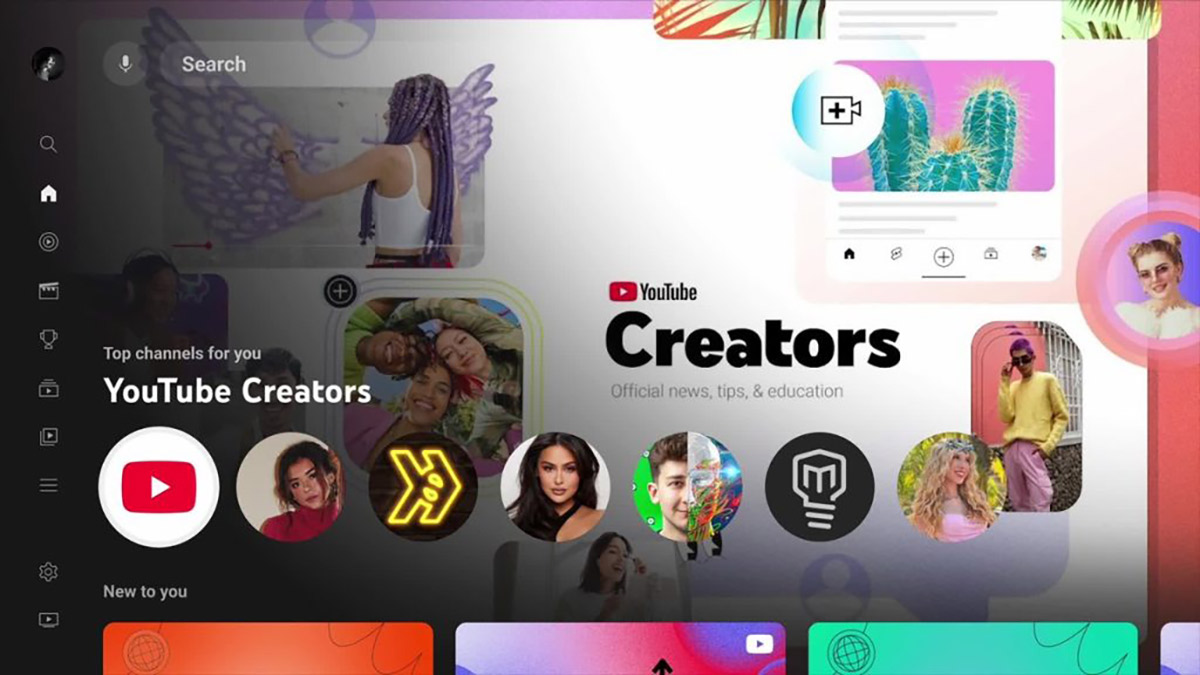
MUMBAI: Youtube has just turned up the volume on its creator tools because when the competition is fierce, even the biggest platform knows it needs to hit refresh. Neal Mohan, CEO of Youtube, has announced a wide-ranging set of platform updates designed to boost creator tools, open new monetisation avenues and enhance the overall user experience. The changes span content discovery, advertising solutions, safety features and global partnerships.
Among the most practical improvements, Youtube has increased the maximum thumbnail file size from 2MB to 50MB, allowing creators to upload higher-quality visuals for their videos. The platform has also expanded access to localised thumbnails, enabling creators to tailor video previews for different regions and audiences.
On the monetisation front, Youtube has widened access to its Shopping Affiliate programme, giving more creators the ability to earn through product recommendations. It has also introduced a unified advertiser and creator suite called Youtube Creator Partnerships, aimed at streamlining brand collaborations and campaign execution.
Creative tools are receiving a boost with expanded access to Effect Maker, a web-based platform that allows creators to build interactive effects. The tool now integrates with Veo 3, further advancing content creation capabilities.
Youtube is also investing in social impact with a $20 million global teen wellbeing programme in collaboration with Google.org, focused on supporting youth mental health and digital wellbeing.
For content discovery, the platform has introduced a new grid layout for Shorts in mobile search results, making it easier for users to browse short-form videos. New gifting features such as Gifts and Jewels have been rolled out for vertical live streams in South Korea, opening additional avenues for fan engagement and creator earnings. The company has also added NanoBanana to its Youtube Create app, continuing to expand its suite of mobile content creation tools.
On the safety side, Youtube has expanded likeness detection technology to include government officials, journalists and political candidates, aiming to prevent misuse of identity on the platform.
Finally, Youtube has partnered with FIFA for the FIFA World Cup, signalling a continued push into sports content and global event collaborations.
From bigger thumbnails to smarter shopping tools and safety upgrades, Youtube is clearly playing to stay on top proving that even the biggest video platform knows when it’s time to hit the refresh button.








