eNews
OpenAI hires Arjun Gupta as its first solutions architect in India
Former startup CTO joins OpenAI to help Indian founders scale AI systems

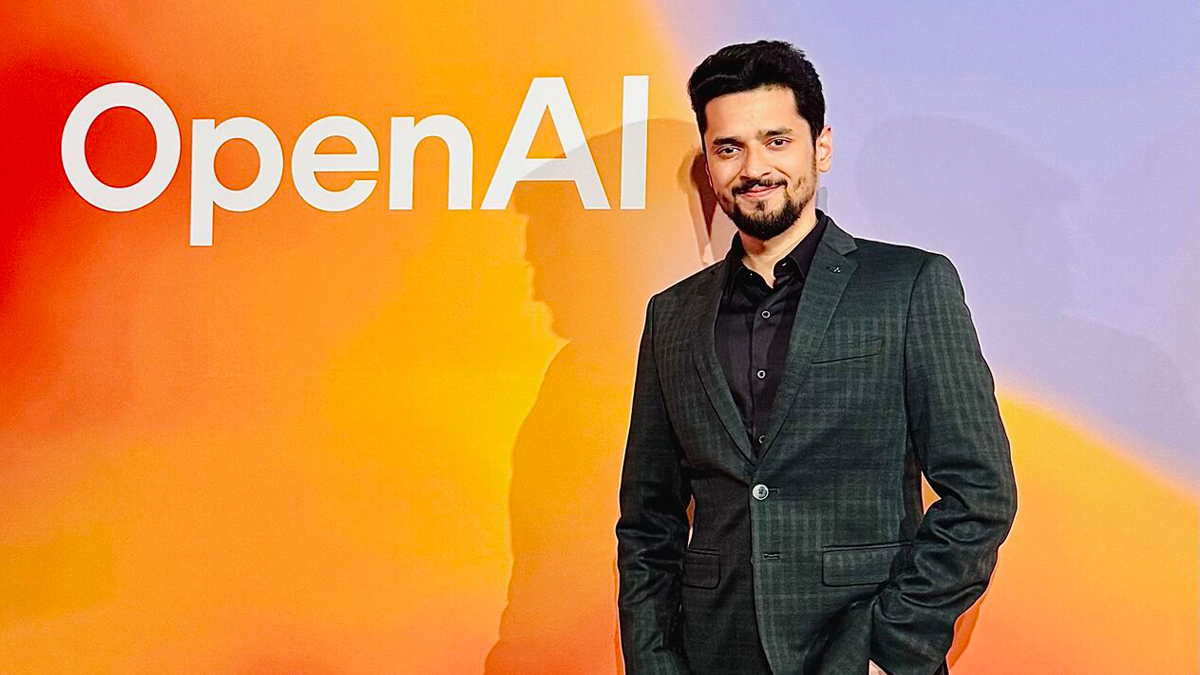
BENGALURU: OpenAI has appointed Arjun Gupta as its first solutions architect in India, signalling a sharper on-ground push as the country’s startups and enterprises race from AI pilots to production.
Gupta announced the move on LinkedIn, saying he had joined OpenAI’s go-to-market team to work directly with founders building on GPT models, multimodal systems and agent-based AI. His mandate: help companies move beyond demos into live, scalable deployments.
The hire reflects a shift in India’s AI market. After a frenzy of experimentation, demand is rising for hands-on architectural support as firms attempt to operationalise AI across products, sales and customer support.

Before OpenAI, Gupta was co-founder and CTO at AuraML, a generative robotics simulation and synthetic data startup that raised $1.23 million. The company worked with technology heavyweights including Nvidia, Amazon Web Services and Google Cloud. His experience spans cloud-native infrastructure, machine-learning training and production-grade AI pipelines.
Writing about the move, Gupta said he had spent recent years building AI systems from the ground up, scaling infrastructure and delivering customer-facing solutions. He described India as being at an inflection point, citing deep technical talent, strong entrepreneurial momentum and rapidly improving AI tooling.
The appointment also dovetails with OpenAI’s expanding enterprise strategy. Earlier this week, the company unveiled the Frontier Alliance, a programme built around its Frontier platform and backed by consulting firms such as Boston Consulting Group, McKinsey & Company, Accenture and Capgemini.
Under the initiative, OpenAI’s forward-deployed engineers will work alongside consultants to embed AI agents into enterprise workflows, from software development to sales and support.
As competition intensifies, OpenAI finds itself jostling with rivals such as Anthropic and technology giants including Google, all courting large organisations eager for AI-driven transformation. OpenAI argues its approach allows firms to modernise without ripping out existing systems, while gaining closer access to its research and engineering teams.







eNews
Piyush Thakur steps down as Inshorts’ chief revenue officer
Former vice president and cro says exit marks a new chapter after close to a decade of building revenue and partnerships at Inshorts Group.
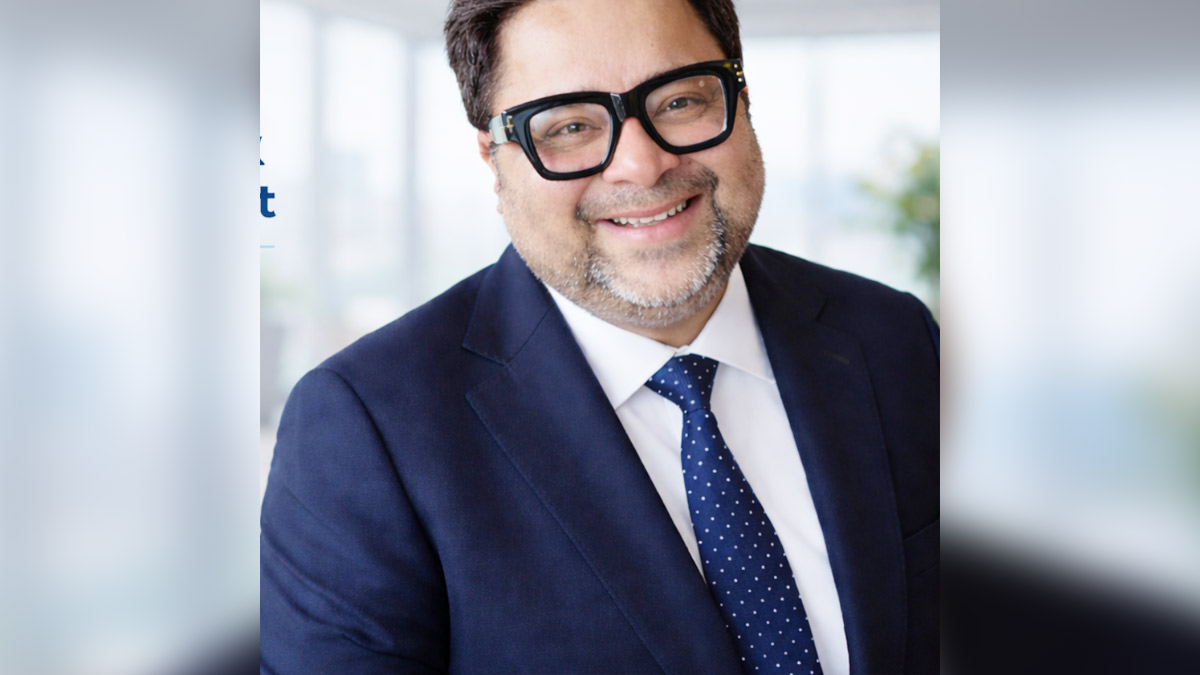
NOIDA: Piyush Thakur has stepped away from Inshorts Group after nearly 10 years with the company, marking the end of a long tenure that culminated in his role as chief revenue officer.
In a farewell note, Thakur said he was “turning a new page” after almost a decade at Inshorts, calling it one of the hardest professional decisions he has made. He added that his exit was not driven by uncertainty about the future, but by reflection on a long association with the company.
Thakur joined Inshorts in October 2016 as vice president and spent around seven years in the role before being elevated to chief revenue officer in April 2024, a position he held until April 2026.
He said his tenure was defined by “thousands of mornings, late nights, product debates and breakthrough moments”, as the company evolved into a large-scale digital news platform used by millions.
In his note, Thakur emphasised that Inshorts’ growth was a collective effort across teams, adding that engineers, designers, sales teams and customer support staff all contributed to building the platform. He said the company’s success was not the result of individuals but of “everyone who stayed, passed through, and left their mark”.
Before Inshorts, Thakur worked across several digital media and business development roles. At ESPN, he served as senior regional manager from October 2015 to October 2016, focusing on growth initiatives, strategic opportunities and video distribution.
At Times Internet, he worked for nearly three years, including as head of business development from April 2015 to September 2015 and chief manager from January 2013 to March 2015. His responsibilities included monetisation of mobile platforms, managing media and developer partnerships, and driving revenue across digital properties such as The Times of India and The Economic Times.
Earlier, he worked at Brandmovers as head of business development from June 2012 to June 2013, handling digital, mobile and social media marketing solutions, client development and strategic consulting. During this period, he also worked on advertising revenue, brand strategy and CRM-based solutions.
At Inshorts, Thakur’s role focused on revenue strategy, mobile and media partnerships, and growth initiatives across platforms. His profile highlights experience in mobile product management, digital business models, partner ecosystems and revenue expansion in high-growth environments.







