Gaming
Krafton tops KRW 3 trillion as Pubg drives record revenue
Strong mobile growth and new titles lift the gaming giant to a record breaking year


SEOUL: Krafton has had a blockbuster year, and the numbers read like a high score screen. The South Korean game maker posted annual revenue of KRW 3.3266 trillion for 2025, a 22.8 per cent jump from the previous year and the first time the company has crossed the KRW 3 trillion mark. Operating profit stood at KRW 1.0544 trillion, comfortably above the trillion-won line once again.
At the heart of the surge was the ever reliable Pubg franchise, which continued to pull in players and profits across platforms. On PC, Pubg: Battlegrounds delivered its strongest annual performance yet, with revenue up 16 per cent year on year. Fresh collaborations with global artists, luxury brands and even Porsche kept the game’s world lively and the player base engaged.
Mobile remained the company’s biggest earner. Pubg Mobile and Battlegrounds Mobile India both expanded their paying user base, rising by 5 per cent and 27 per cent respectively. India in particular stayed a stronghold, with BGMI maintaining steady performance through localised content and brand tie ups.

New titles also chipped in. Life simulator inZOI and horror survival game Mimesis each crossed the one million sales mark after launching in March and October. Together, they added fresh momentum to Krafton’s PC business.
For the full year, revenue was split across KRW 1.7407 trillion from mobile, KRW 1.1846 trillion from PC, KRW 42.8 billion from console and KRW 358.5 billion from other businesses. The “other” segment saw a sharp rise after the consolidation of ADK Group and Neptune.
The fourth quarter told a slightly different story. Revenue reached KRW 919.7 billion, but operating profit fell to KRW 2.4 billion after a one time expense linked to a labour welfare fund for the company’s upcoming headquarters move.
Looking ahead, Krafton is betting on longer life cycles for its major franchises and a steady pipeline of new games. The company has 15 projects in development, including Subnautica 2, Palworld Mobile and several new titles built around the Pubg universe. It also plans to pursue acquisitions to secure fresh intellectual property and fuel future growth.
Artificial intelligence is another big piece of the plan. Under its “AI for Games” push, Krafton aims to use AI across development and live services, while exploring broader tech opportunities in the longer term.
For now, though, the message is simple. As long as players keep dropping into battlegrounds, Krafton’s scorecard is likely to keep climbing.







Gaming
Konami concludes successful eFootball India campaign
Campaign featuring Rinku Singh, Varun Chakravarthy and other stars boosts engagement ahead of FIFA World Cup 2026.
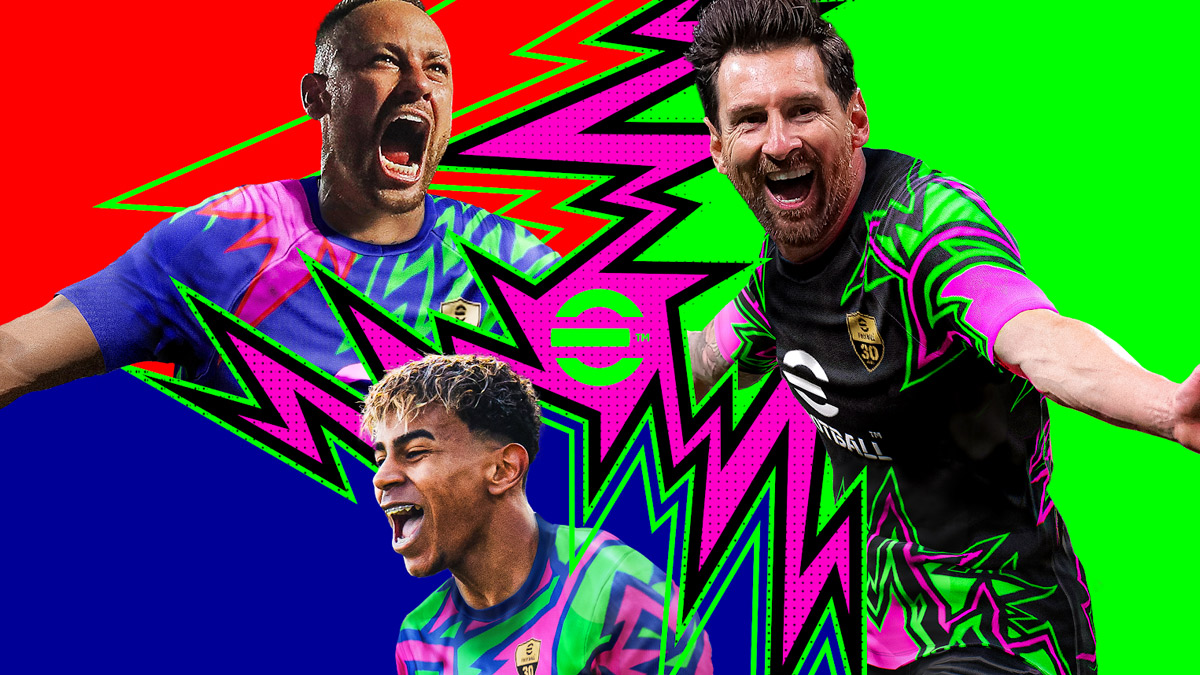
MUMBAI: When cricket meets football in the virtual world, even the biggest fans can’t help but score and Konami’s latest eFootball campaign in India has clearly hit the back of the net. Konami Digital Entertainment has successfully wrapped up its India campaign for eFootball, which brought together cricketers Rinku Singh and Varun Chakravarthy, actors Naslen Gafoor and Chandu Salim Kumar, and footballers Sahal Abdul Samad and Shubhasish Bose. The multi-star campaign generated strong excitement across gaming, football, and creator communities through social content, fan participation, and in-game engagement.
Building on the initial launch that featured a limited-time Lionel Messi card, the campaign united fan communities, lifestyle creators, football creators, and competitive eFootball influencers. It significantly expanded the game’s visibility and deepened engagement with fans across the country.
The campaign also saw thousands of entries submitted as part of its social media engagement challenge, reflecting high levels of community enthusiasm and active creator involvement.
Looking ahead, Konami plans to build on this momentum with more eFootball experiences for Indian fans as the FIFA World Cup 2026 approaches. With global attention on the tournament set to rise, India will remain a key market for deepening community engagement and bringing fans closer to the action.
In a country that lives and breathes sport, Konami has shown that mixing real-world stars with virtual thrills is a winning formula leaving fans eagerly waiting for the next goal.






