IPTV
IAMAI opposes licensing plan for FAST and app based TV services
Industry body tells TRAI internet television should not face broadcast rules


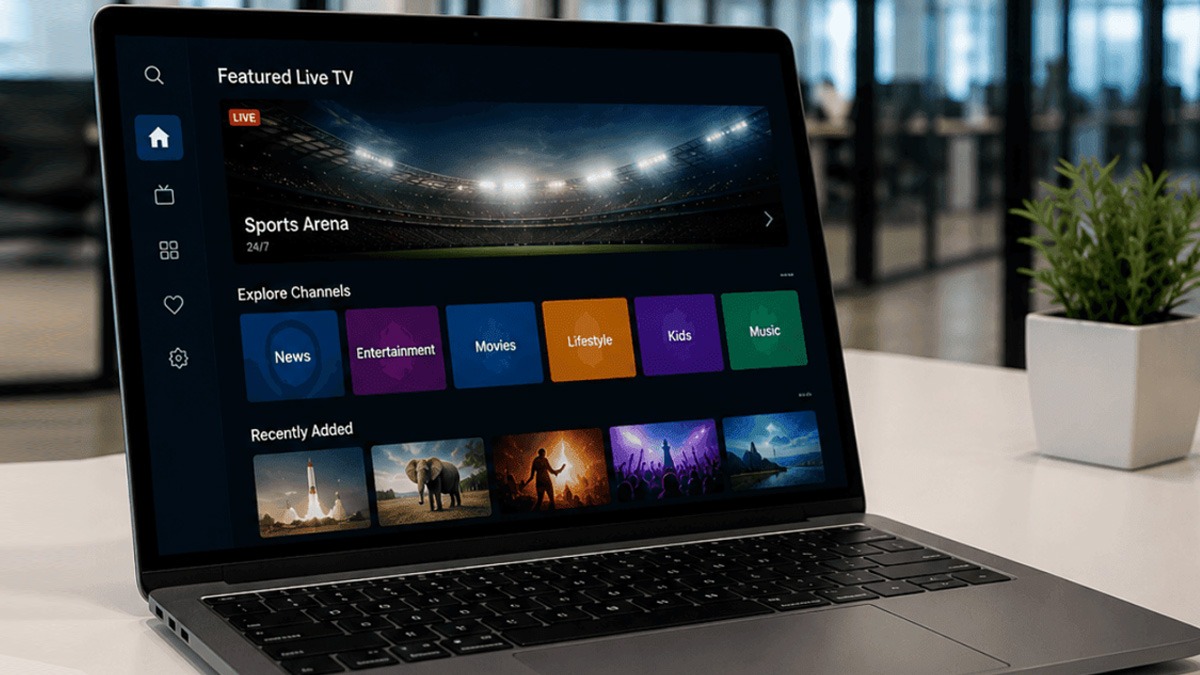
MUMBAI: The streaming wars may soon have a regulatory subplot. As India weighs new rules for internet-delivered television, the Internet and Mobile Association of India (IAMAI) has urged the Telecom Regulatory Authority of India (TRAI) to avoid bringing Free Ad-Supported Streaming Television (FAST) and Application-Based Linear Television Distribution (ALTD) services under a licensing regime, warning that doing so could stifle innovation and add unnecessary compliance costs.
In its response to TRAI’s consultation paper on the “Formulation of a Regulatory Framework for ALTD Services (Including FAST Services)”, IAMAI argued that both FAST and ALTD operate as application-based internet services and should not be regulated in the same manner as traditional television distribution platforms.
The association said extending legacy broadcasting regulations to internet-based television services would conflict with India’s existing legal framework for digital content while creating an additional layer of regulation with little consumer benefit.
“Introducing a separate India-specific licensing requirement could create avoidable regulatory complexity and compliance costs without proportionate consumer benefit,” IAMAI said, noting that many FAST providers already operate across multiple countries using standardised technology platforms and content pipelines.
According to the industry body, such a move could discourage investment, slow innovation and limit consumer access to a wider range of digital content.
IAMAI also argued that FAST and ALTD services differ fundamentally from traditional Distribution Platform Operators (DPOs) such as cable television and Direct-to-Home (DTH) providers. Unlike legacy broadcasters, these services do not own or manage last-mile infrastructure, nor do they depend on scarce public resources such as spectrum to distribute content.
Instead, they function entirely at the application layer over consumers’ existing internet connections, making broadcasting-style licensing unnecessary.
“The foundational rationale for broadcasting-style regulation does not exist” for application-based television services, the association said, describing any attempt to impose legacy licensing norms on internet platforms as regulatory overreach.
IAMAI also cited the Telecommunications Act, 2023, arguing that Parliament had deliberately excluded Over-the-Top (OTT) services from the scope of the legislation. It further referred to statements made by the then Union Communications Minister during the passage of the Act, clarifying that OTT platforms continue to be governed under the Information Technology Act, 2000, rather than telecom legislation.
The association pointed out that digital content is already regulated through the Information Technology Act and the Information Technology (Intermediary Guidelines and Digital Media Ethics Code) Rules, 2021, administered by the Ministry of Electronics and Information Technology (MeitY) and the Ministry of Information and Broadcasting (MIB).
Rather than extending traditional broadcasting regulations to emerging digital platforms, IAMAI recommended that policymakers pursue regulatory forbearance by easing outdated licensing and tariff obligations applicable to conventional broadcasting and distribution platforms.
The submission comes as TRAI examines whether India’s rapidly expanding ecosystem of FAST channels and app-based linear television services requires a dedicated regulatory framework. The outcome of the consultation could shape how internet-delivered television is governed as viewers increasingly shift from conventional broadcasting to streaming-based platforms.